


Heritage
A house, in its own words
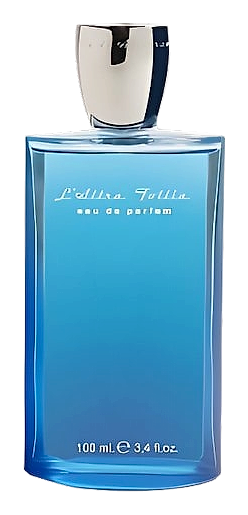
The story of Riva begins not with perfume, but with law. Oliver Riva, who holds both British and Italian nationality, initially pursued legal studies in the United Kingdom before redirecting his career toward fragrance creation. This background in structured, analytical thinking would later inform his methodical approach to composition. The exact founding date of the house remains unclear from available sources, though the brand's first noted releases appeared around 2007 to 2008. Riva's emergence coincided with a period of growing interest in niche perfumery, when smaller houses began challenging the dominance of established luxury houses. Rather than building a traditional brand narrative around heritage or dynasty, Riva positioned itself around individual artistry. The house name itself derives from the perfumer's surname, signaling a direct personal ownership of the creative output. Unlike fragrance houses that trace lineage through multiple generations, Riva represents a single-author vision, which brings both intimacy and limitation to the brand's story. Oliver Riva's trajectory from law to perfumery suggests a philosophy built on deliberate choice rather than inherited expectation. Having studied law and then choosing to commit himself fully to fragrance, he represents a perfumer who arrived at the craft through conscious rejection of another path. This background implies a fragrance philosophy rooted in intentionality, where each composition carries the weight of a considered decision rather than commercial calculation. The Riva house appears to prioritize creative expression over market timing, releasing a small number of fragrances without the aggressive cadence typical of larger niche houses. The fragrance names themselves, such as Follia di Aquarama and L'Altra Follia, suggest an interest in Italian linguistic and cultural textures, drawing from Riva's heritage to inform the emotional register of his work. The brand seems to value distinctiveness over accessibility, creating scents that reward attention rather than immediately pleasing broad audiences.