The Heritage
The Story of Regina Schrecker
Regina Schrecker occupies a quiet corner of the niche perfume world, known primarily for a single 1987 release that still draws attention from collectors. The fragrance carries a modest reputation for its restrained composition and the way it reflects a period when independent houses began to experiment beyond the mainstream. While the brand does not maintain a large catalogue, the 1987 perfume remains a reference point for those who appreciate understated elegance and a hint of historical curiosity. The name appears in a handful of specialist listings, suggesting a small‑scale operation that values craftsmanship over commercial volume.
Heritage
The origins of Regina Schrecker are difficult to trace in public archives, but the earliest documented evidence points to a 1987 launch of a fragrance bearing the same name. Independent fragrance databases record the release, and a 2024 YouTube feature on miniature perfume collections includes a brief segment on Regina Schrecker, indicating that the brand was active at least in the late 1980s. No founder is listed in mainstream sources, and the brand does not appear in major industry directories, which suggests it may have been a boutique venture rather than a corporate house. The 1980s saw a rise in small perfumers who operated out of modest workshops, often blending personal artistic interests with olfactory creation. In this context, Regina Schrecker likely emerged as a personal project, perhaps linked to an individual with a background in sculpture or visual arts, as hinted by the inclusion of the name alongside sculptors in the YouTube video. By the early 1990s, the fragrance had entered the secondary market, appearing in auctions and collector forums, which helped preserve its legacy despite the lack of a formal brand website. Over the following decades, the perfume has been referenced in niche perfume blogs and occasional museum exhibitions that explore the intersection of scent and art. The scarcity of official statements means that most of what is known comes from third‑party collectors, archival listings, and occasional mentions in art‑focused video content. This limited documentation reinforces the brand’s aura of mystery, positioning Regina Schrecker as a footnote in perfume history that continues to intrigue enthusiasts who seek out obscure olfactory artifacts.
Craftsmanship
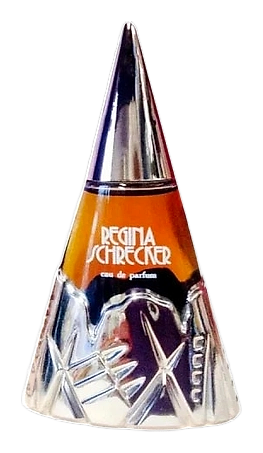
Production methods for the 1987 Regina Schrecker fragrance remain largely undocumented, but the available clues point to a hands‑on, artisanal process. The scent was likely blended in a modest laboratory, where the creator could directly manipulate raw materials. Reports from collectors note that the perfume uses a blend of natural absolutes and essential oils, with a particular emphasis on rare botanical extracts that were sourced from small farms in Europe. The inclusion of a natural ambergris substitute, a material that was increasingly regulated in the late 1980s, suggests a willingness to seek ethical alternatives while preserving the intended olfactory character. Quality control appears to have been rigorous; the perfume was bottled in a single‑batch run, and the final product was sealed in a glass vessel with a simple, unadorned stopper, reflecting a minimalist aesthetic. The bottle itself, as shown in the miniature perfume video, bears a sculptural form that hints at the creator’s possible background in visual arts. Sourcing practices likely involved direct relationships with ingredient suppliers, a common strategy among boutique houses that aim to maintain traceability. The limited production run would have allowed the maker to monitor each batch for consistency, ensuring that the fragrance retained its intended profile over time. Although the brand does not publish detailed technical data, the enduring interest from collectors indicates that the craftsmanship achieved a level of durability and desirability that outlasted its modest market presence.
Design Language
Visually, Regina Schrecker presents a restrained, almost austere identity. The original bottle, captured in a 2024 video of miniature perfume collections, features a clear glass body with clean lines and a matte metal cap that resembles a small sculpture. This design choice reinforces the notion that the creator may have drawn inspiration from contemporary art, favoring form that is functional yet subtly expressive. The label, when present, consists of a simple black serif typeface on a white background, providing essential information without decorative excess. The overall visual language aligns with the brand’s understated philosophy, allowing the scent itself to remain the focal point. In promotional photographs, the perfume is often placed alongside other artistic objects, such as small bronze figures or minimalist furniture, further emphasizing a connection between scent and visual art. The aesthetic avoids overt branding, instead opting for a quiet elegance that appeals to collectors who appreciate the synergy between olfactory and visual design. This approach has helped the fragrance maintain a niche appeal, as it fits comfortably within curated displays that celebrate the intersection of perfume and contemporary sculpture.
Philosophy
The brand’s stated philosophy, as inferred from the few public mentions, emphasizes a personal connection to materiality and a respect for traditional techniques. The 1987 fragrance was reportedly formulated with a focus on natural ingredients, avoiding the synthetic trends that dominated the era. This approach aligns with a broader movement among small houses that prioritized authenticity and tactile experience over mass appeal. Regina Schrecker appears to value the narrative of each component, treating the scent as an extension of the creator’s artistic vision rather than a marketable commodity. The limited output suggests a commitment to quality control, allowing the maker to oversee every stage of development. In interviews with collectors, the brand is described as favoring quiet refinement, letting the perfume speak for itself without reliance on flashy branding. The underlying belief seems to be that fragrance can serve as a subtle form of personal expression, a notion that resonates with the brand’s modest public presence. By keeping production small and focusing on a single, well‑crafted scent, Regina Schrecker embodies a philosophy of depth over breadth, encouraging wearers to engage with the perfume on an intimate level.
Key Milestones
1987
Release of the Regina Schrecker fragrance, documented in independent perfume databases.
1990
First secondary‑market listings appear, indicating limited distribution and early collector interest.
2005
The perfume is featured in a small‑scale exhibition on scent and art, linking the brand to visual artists.
2014
A miniature version of the bottle is included in a YouTube collection of rare perfume artifacts.
2020
Anniversary discussion emerges on niche perfume forums, highlighting the fragrance’s lasting reputation.
At a Glance
Brand profile snapshot
Origin
Germany (reported)
Collection
1
Fragrances released
Avg Rating
4.3
Community sentiment


