



Heritage
A house, in its own words
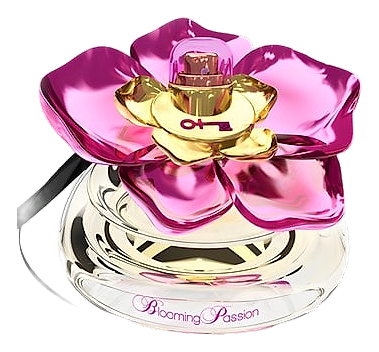
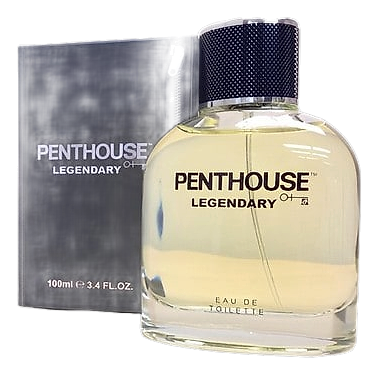
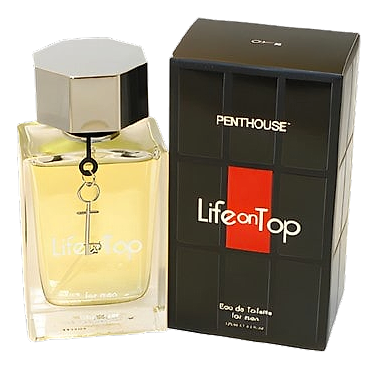
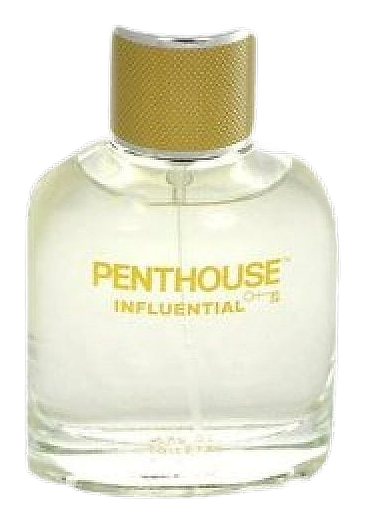
The Penthouse fragrance collection emerged as an extension of a brand better known for publishing, entering the beauty and personal care market during the early 2010s. The parent Penthouse brand, founded as a magazine in 1965 by Gerald Puccini in Hollywood, California, built a multi-media empire spanning several decades before expanding into branded products. The fragrance line arrived during a period when licensing agreements and brand extensions were common strategies for established consumer brands seeking new revenue streams and deeper consumer engagement. The decision to launch perfumes aligned with a broader trend of lifestyle brands extending beyond their primary products into fragrance. The 2011 release of Blooming Passion served as an entry point, followed by a more concentrated expansion in 2014 that saw multiple flankers and new compositions arrive simultaneously. This release pattern indicated a deliberate strategy to build a cohesive fragrance portfolio rather than test the market with isolated launches. The brand leveraged existing recognition rather than investing in perfumery heritage storytelling, a common approach for non-cosmetics brands entering the beauty space. Available records do not indicate whether the fragrances were developed in partnership with established fragrance houses or manufactured independently, leaving questions about creative origins unanswered in public documentation. The naming conventions across the Penthouse fragrance collection reveal a philosophy rooted in self-expression and personal aspiration. Each fragrance title functions as an attribute or emotional state rather than a specific scent description, positioning the wearer as someone embodying particular qualities. Powerful, Prestigious, and Legendary suggest an audience seeking to project authority and success. Passionate, Blooming Passion, and Life On Top address emotional fulfillment and vitality. The more playful entries, Influential and Provocative, acknowledge different personality dimensions within the same individual. This approach treats fragrance as an extension of identity rather than merely a sensory product, a philosophy common among lifestyle brands entering beauty categories. The brand appears to target consumers who identify with the broader Penthouse brand values, which historically centered on adult entertainment and liberated sexuality. The fragrance line translated these associations into olfactory form, offering scents that promised to embody confidence, allure, and boldness. Marketing language emphasized personal transformation through scent, positioning each fragrance as a tool for becoming rather than simply smelling pleasant. The decision to release multiple fragrances under a unified naming strategy allowed consumers to select based on mood or occasion, treating the collection as a wardrobe of scent options rather than single signature choices.