
Heritage
A house, in its own words
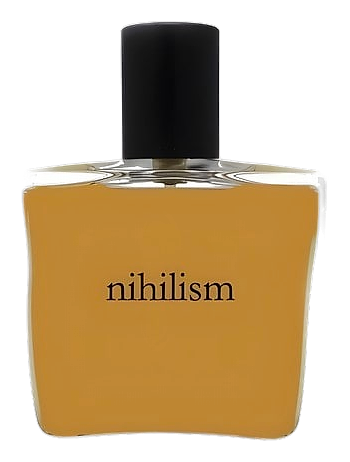
The precise origins of Modernist Fragrance remain somewhat opaque, consistent with the anti-establishment positioning implied by the brand's nomenclature. The house released its first three fragrances in 2018: Geist (German for spirit or ghost), The Modernist (self-titled), and Nihilism (philosophical doctrine rejecting inherent meaning). This debut collection functions less as a traditional perfume launch and more as a thematic triptych exploring intellectual movements that shaped twentieth-century European thought. The name Geist connects to Hegelian philosophy and the concept of historical spirit; Nihilism references the Russian philosophical tradition and Dostoevsky's exploration of meaninglessness; The Modernist directly invokes the artistic movement spanning Cubism through Bauhaus. The house appears to operate outside conventional fragrance industry channels, with limited disclosed information about production, sourcing, or formulation beyond the fragrances themselves. This deliberate obscurity aligns with the philosophical content, suggesting a brand built more on conceptual foundations than biographical storytelling. Modernist Fragrance operates from the premise that fragrance can serve as philosophical expression rather than mere sensory luxury. The choice of names signals an intellectual agenda, drawing from continental philosophy and art theory rather than botanical tradition or heritage perfumery narratives. The scent names function as theses to be explored: Geist suggests the ethereal, the drive toward abstraction; The Modernist proposes modernism itself as wearable ideology; Nihilism confronts meaninglessness head-on. This approach rejects the conventional fragrance marketing playbook, which typically emphasizes heritage, natural ingredients, or celebrity association. Instead, Modernist Fragrance treats wearers as participants in an intellectual project. The brand apparently believes that fragrance consumers are capable of engaging with conceptual content, not merely hedonistic pleasure or status signaling. By naming fragrances after philosophical positions rather than olfactory impressions or romantic imagery, the house challenges fundamental assumptions about what perfume can communicate and who its audience might be.