




Heritage
A house, in its own words
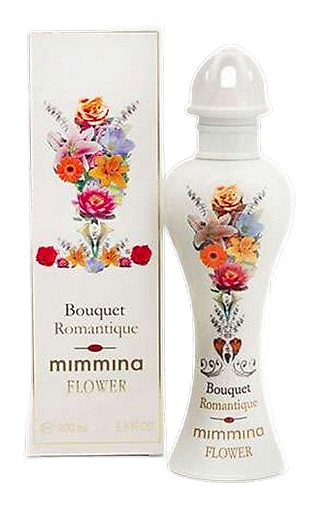
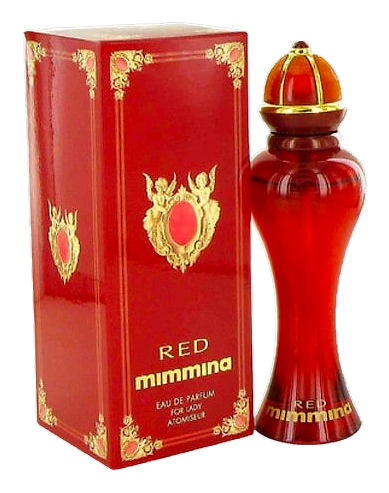
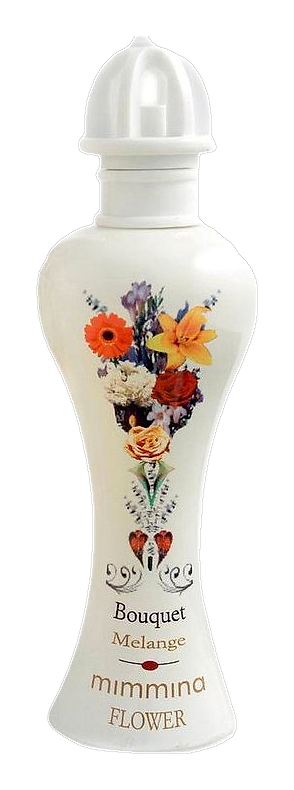
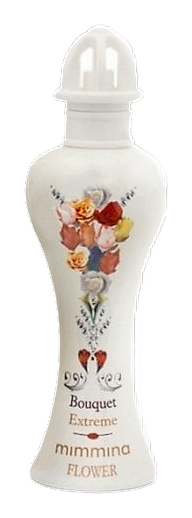
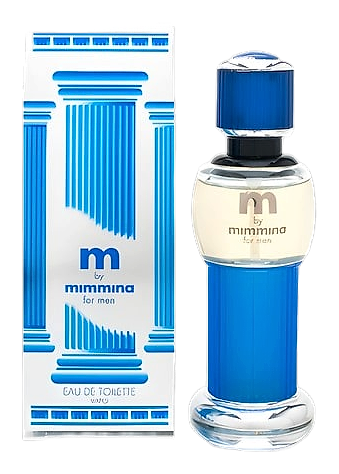
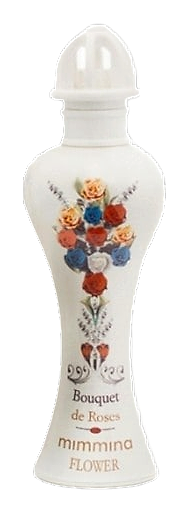
Mimmina entered the fragrance market in the early 1970s, introducing M for Men in 1971. The launch coincided with a period when European perfumers were experimenting with aromatic fougère structures, and the scent quickly found a niche among office‑wear enthusiasts. In 1995 the house broadened its portfolio with three distinct offerings: Mimmina Red, a marine‑citrus composition reportedly created for a Saudi royal client before reaching the public; Mimmina Vanilla, an oriental sweet blend that highlighted the era’s growing interest in gourmand accords; and Mimmina White Musk, a clean, airy fragrance that reflected the decade’s minimalist turn. The 1995 releases were documented in Perfume Intelligence’s Encyclopaedia of Perfume, confirming the royal commission and the public launch date. After a quiet decade, Mimmina revived its creative output in 2013, unveiling a series of Flower Bouquet scents—Romantique, Melange, de Roses, and Extreme. These four fragrances shared a common floral heart but diverged in supporting notes, allowing the brand to showcase versatility within a single thematic family. The 2013 launch recorded the exact release year and listed the individual compositions. Throughout its history, Mimmina has maintained a low‑profile distribution model, focusing on specialty boutiques and niche online platforms rather than mass retail. This approach has kept the brand’s narrative intimate and its releases collectible. While the company’s corporate archives are not publicly disclosed, the consistent appearance of its fragrance dates across independent databases suggests a steady, if modest, production cadence spanning five decades. Mimmina’s creative outlook rests on three guiding ideas. First, the brand treats scent as a story rather than a mere product; each composition is meant to evoke a specific moment or place, whether a Mediterranean sunrise or a quiet garden at dusk. Second, the house values restraint, preferring to build around a limited palette of high‑impact ingredients instead of layering excessive accords. This philosophy aligns with the 1990s trend toward cleaner, more focused fragrances, as seen in the launch of White Musk. Third, Mimmina emphasizes continuity. The 2013 Flower Bouquet collection revisits the brand’s earlier floral sensibility while introducing new twists, demonstrating a respect for legacy that coexists with a willingness to experiment. The brand’s statements on its website echo these ideas, but independent commentary on fragrance forums confirms that collectors perceive Mimmina as a line that rewards careful listening rather than instant gratification. By anchoring its work in narrative, restraint, and continuity, Mimmina seeks to offer scents that age gracefully on the skin and in the memory.