
Heritage
A house, in its own words
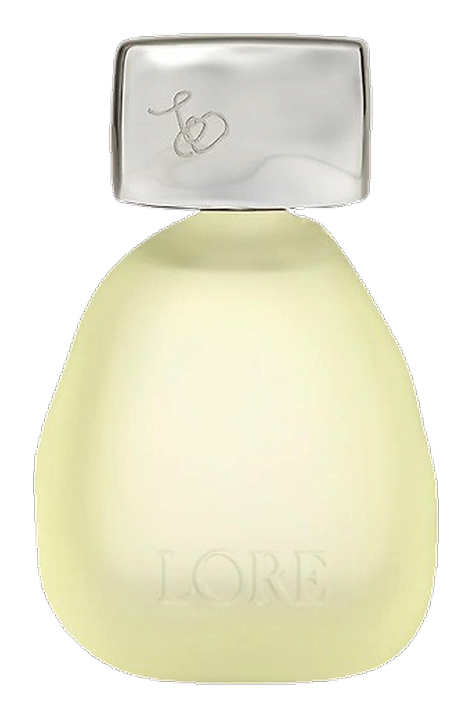
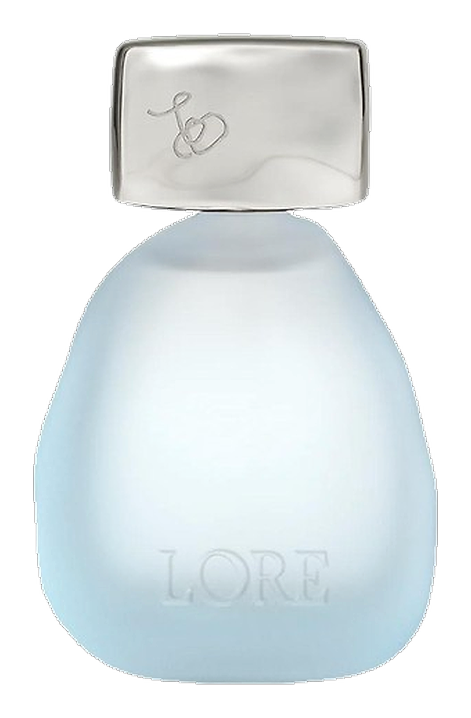
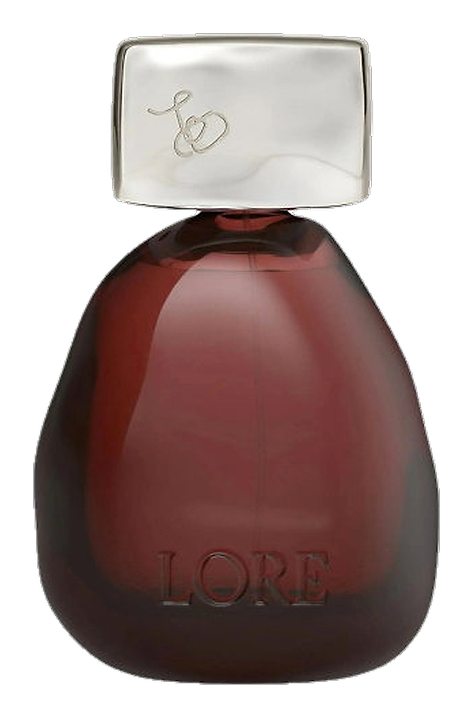
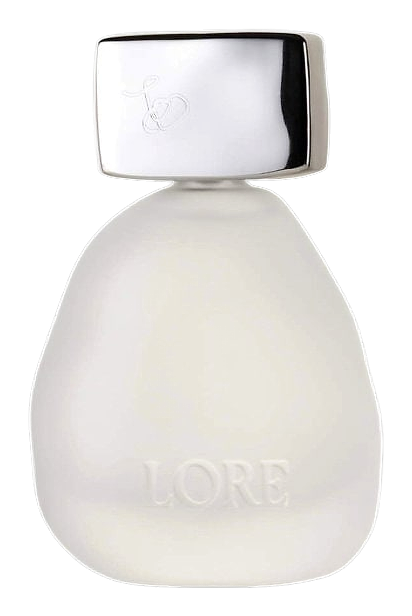
LORE began not in a laboratory or boardroom but in the invisible bonds between close friends. Melanie Bender, who previously served as CEO of the skincare brand Rhode, developed the concept alongside two friends, Greg and Joe, whose names surface repeatedly in the brand's origin story. The original idea was intimate and undefinable, a shared understanding between three people that had no product attached to it yet. When Bender decided to leave Rhode and build something of her own, she carried this concept forward, transforming a private connection into a public creative venture. The timing placed LORE's launch squarely in 2025, a period when the fragrance market had grown increasingly crowded with celebrity lines and heritage houses extending their reach. Rather than competing on those terms, the brand staked out different territory. The announcement of a Sephora partnership provided retail validation early in the brand's existence, granting shelf space that newer fragrance labels typically struggle to secure. Throughout that first year, LORE released four fragrances, each bearing a title that defied conventional naming conventions in the category. The pace suggested ambition tempered by care, with the team choosing to build a catalog methodically rather than flood the market with volume. LORE operates from a fundamental conviction that fragrance should function as a vessel for meaning rather than a display of wealth or knowledge. The brand openly positions itself as a counterpoint to what it describes as old-school, snooty fragrance culture, the kind of environment where expertise is gatekept and newcomers feel intimidated. This stance shapes every aspect of how LORE presents itself, from the language used in marketing materials to the way fragrance titles are constructed. The names resist easy categorization. Lovely and a little twisted offers a clue about emotional complexity. Somewhere but Nowhere refuses geographical specificity. Disfruta borrows Spanish for enjoyment, signaling cultural borrowing rather than claimed heritage. Sublimity nods upward without explaining what form that sublimity takes. This deliberate ambiguity serves a purpose. LORE wants wearers to bring their own stories to the scent, to project personal associations onto a blank canvas rather than receiving a pre-packaged narrative handed down by an authority. The founders believe that scent operates at a level below conscious thought, reaching parts of memory and emotion that language struggles to access. By keeping the framing open, LORE allows that process to unfold without interference.