    Brand Profile

    Lady Gaga entered the fragrance world through Haus Laboratories, her eponymous beauty brand, with the 2012 launch of Fame. The scent marked…More

    United States·Est. 2012·Site

    3.8

    Rating

    Fame by Lady Gaga – Eau de Parfum
    Best Seller
    3.8

    Fame

    Eau de Parfum

    Eau de Gaga by Lady Gaga
    Best Seller
    3.8

    Eau de Gaga

    Haltane by Parfums de Marly
    Coming Soon

    Haltane

    Parfums de Marly

    Baccarat Rouge 540 by Maison Francis Kurkdjian
    Coming Soon

    Baccarat Rouge 540

    Maison Francis Kurkdjian

    Aventus by Creed
    Coming Soon

    Aventus

    Creed

    Sauvage by Dior
    Coming Soon

    Sauvage

    Dior

    The Heritage

    The Story of Lady Gaga

    Lady Gaga entered the fragrance world through Haus Laboratories, her eponymous beauty brand, with the 2012 launch of Fame. The scent marked a notable crossover from pop culture celebrity into serious perfumery, positioning itself as a unisex fragrance at a time when gender-neutral luxury scents remained uncommon in mainstream releases. Haus Laboratories structured its fragrance division as a collaboration with industry partners, beginning with Coty for Fame before establishing direct creative control for subsequent releases. The line has since expanded to include multiple fragrance expressions, with Eau de Gaga arriving in 2014 as a distinct creative chapter. The brand occupies a specific space where celebrity influence intersects with perfumery craft, attracting both fragrance collectors and pop culture enthusiasts.

    Heritage

    Lady Gaga established Haus Laboratories as her primary beauty vehicle, and the fragrance division quickly became its most discussed component. Fame arrived in August 2012, with a press release confirming the launch date of June 14 that year. The rollout strategy broke from typical celebrity fragrance conventions by selecting the Guggenheim Museum in New York as a primary launch venue, a choice that emphasized gallery-worthy presentation over department store distribution alone. Macy's carried the fragrance simultaneously, providing mass-market accessibility alongside the exclusive launch event. The Guggenheim presentation attracted fashion press and industry attention, transforming what could have been a standard celebrity endorsement into something resembling a cultural moment. Fame reportedly originated from Gaga's personal vision for a scent that would challenge expectations. Early reports indicated the singer wanted something provocative, with initial concepts reportedly involving unconventional materials like blood and semen. The final formulation moved considerably away from those extreme proposals, settling into a smoky floral composition that reviewers have characterized as assertive. Haus Laboratories structured its fragrance program as a partnership with Coty for initial releases, allowing the brand to leverage established manufacturing and distribution infrastructure while maintaining creative direction. The 2014 release of Eau de Gaga represented a shift in approach, bringing Givaudan perfumer Ursula Wandel into the creative process as a named artistic collaborator. This collaboration signaled Haus Laboratories' intent to position its fragrances within serious perfumery discourse rather than treating scent as mere merchandise. The brand's heritage remains tied to its founder's willingness to court controversy while simultaneously pursuing mainstream commercial viability.

    Craftsmanship

    Haus Laboratories' fragrance craftsmanship operates through selective partnerships with established fragrance houses and professional perfumers. For Eau de Gaga, the brand worked directly with Givaudan, one of the world's largest fragrance and flavor companies, engaging Ursula Wandel as the creative perfumer. This partnership provided access to Givaudan's raw material networks, formulation expertise, and quality control infrastructure. The selection of Wandel, whose professional background includes work across multiple fragrance categories, brought systematic craft methodology to the brand's creative process. Ingredient sourcing for Haus Laboratories fragrances draws from established supply chains managed through the Coty partnership for earlier releases and directly through Givaudan for later work. These partnerships grant access to aromatic materials across price points and origins, from common synthetics to rare naturals. The specific raw materials used in Fame and Eau de Gaga remain proprietary information not publicly disclosed, limiting external analysis of the craftsmanship details. However, the presence of named professional perfumers suggests formulation approaches prioritizing deliberate composition over generic compound mixes. Quality processes for celebrity fragrances produced through major fragrance houses include standard industry testing protocols for skin sensitivity, stability, and consistency across production batches. The involvement of organizations like Givaudan and Coty ensures compliance with International Fragrance Association guidelines and regional cosmetic regulations. Haus Laboratories has not publicly disclosed manufacturing location specifics for its fragrance products, though industry practice typically routes celebrity scents through established production facilities rather than bespoke workshops.

    Design Language

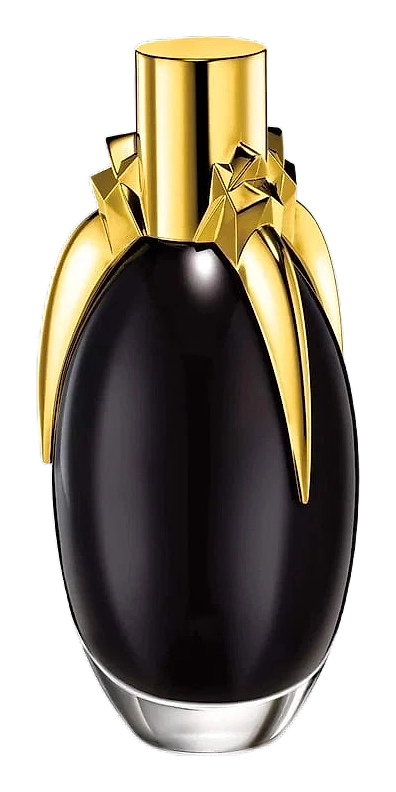
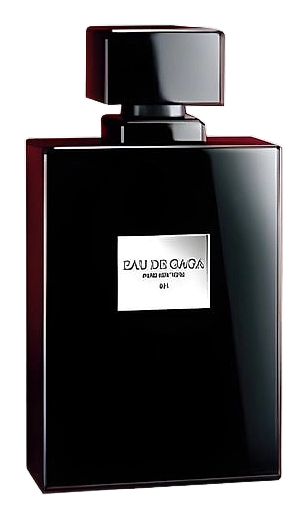
    The visual identity of Lady Gaga fragrances reflects theatrical excess and deliberate provocation. Fame's bottle design featured a distinctive black-liquid presentation, avoiding the transparent glass common to most fragrances. This choice created an object that appeared almost sculptural, with light-absorbing darkness replacing the standard display of liquid color. The accompanying packaging incorporated bold typography and high-contrast imagery that departed significantly from the soft femininity dominating the celebrity fragrance market. Haus Laboratories employed aggressive marketing imagery for fragrance launches, drawing from Gaga's established visual language of fashion photography as performance. The brand aesthetic consistently references art world contexts, from the Guggenheim launch venue to gallery-style presentation formats. This positioning deliberately elevates the fragrance above typical celebrity merchandise, framing it as cultural artifact rather than commercial product. Eau de Gaga's visual identity shifted toward cleaner minimalism while maintaining a sense of deliberate design rather than corporate safety. The overall aesthetic strategy positions Lady Gaga fragrances as extensions of their founder's broader artistic practice, with scent functioning as another medium for visual and conceptual experimentation. This approach attracts consumers who view fragrance purchasing as self-expression rather than routine replenishment.

    Philosophy

    Lady Gaga's approach to fragrance design appears rooted in provocation and personal expression rather than market research or trend following. The documented origin story for Fame involves the singer articulating desires for something startling, even disturbing, rather than the comforting neutrality typical of celebrity scent marketing. This orientation toward impact over agreeableness shaped the fragrance's development trajectory, even as final formulations moderated initial extremes. Haus Laboratories has maintained an aesthetic commitment to theatrical presentation, viewing fragrance as an extension of performance rather than a separate commercial category. The decision to collaborate with established perfumers like Ursula Wandel on subsequent releases suggests an evolving philosophy that balances celebrity creative control with professional craft expertise. Wandel's involvement introduced systematic perfumery methodology into the brand's approach, creating tension between pop star instinct and professional formulation that generated distinctive results. The brand's fragrance philosophy rejects the invisible politeness of mainstream celebrity scents, instead embracing intensity and presence as core values. This positions Haus Laboratories fragrances as statement pieces rather than daily-wear neutrals, appealing to consumers who view scent as an expressive medium comparable to fashion or music. The unisex positioning of Fame reflected a broader philosophical commitment to challenging fragrance industry conventions around gender categorization, creating a scent that refused easy classification.

    Key Milestones

    2012

    Fame launches in August through Haus Laboratories and Coty partnership, with New York Guggenheim Museum debut event

    2012

    Press release confirms June 14 reveal date for Fame fragrance

    2014

    Eau de Gaga releases, marking first collaboration with Givaudan perfumer Ursula Wandel

    2012

    Fame reaches Macy's stores alongside exclusive launch venues, establishing mass-market distribution

    2014

    Haus Laboratories fragrance division shifts toward direct perfumer collaboration model

    At a Glance

    Brand profile snapshot

    Origin

    United States

    Founded

    2012

    Heritage

    14

    Years active

    Collection

    1

    Fragrances released

    Avg Rating

    3.8

    Community sentiment

    Release Rhythm

    2014
    1
    2012
    1
    hauslabs.com

    Did You Know?

    Interesting Facts

    Distinctive details and defining moments that shape the house personality.

    01

    Fame reportedly originated from Lady Gaga's request for a perfume based on unconventional materials including blood and semen, though final formulations moderated these extreme proposals.

    02

    The Fame launch at the Guggenheim Museum in New York departed from typical celebrity fragrance rollouts, positioning the release as a cultural event rather than standard retail introduction.

    03

    Fame deliberately adopted a unisex positioning in 2012, years before gender-neutral fragrance marketing became widespread in the luxury market.

    04

    The black liquid presentation for Fame distinguished the bottle visually from virtually all competitors, creating an immediately recognizable aesthetic signature.

    05

    Eau de Gaga's collaboration with Givaudan's Ursula Wandel marked a departure from typical celebrity fragrance development, which rarely credits specific perfumers publicly.

    The Artisans

    The Perfumers