Heritage
A house, in its own words
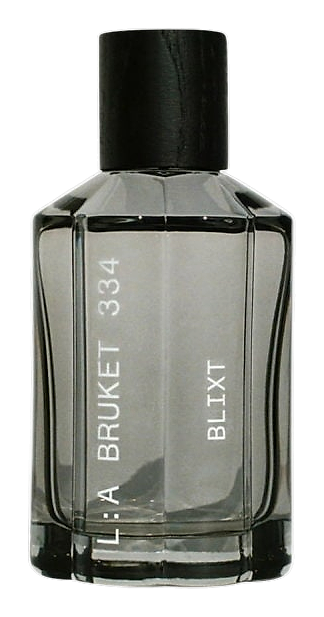
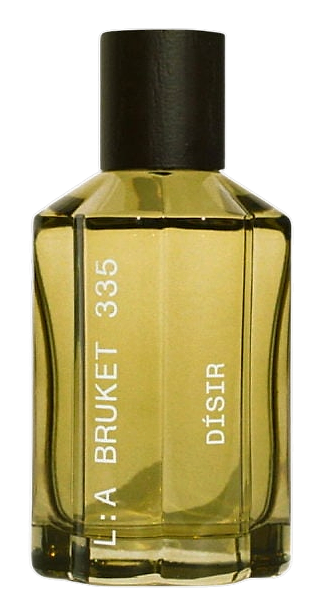
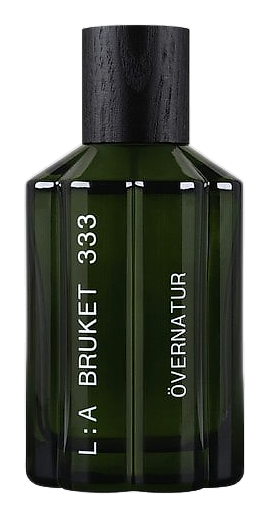
L:a Bruket emerged from the rugged Swedish coastline, where founders developed skincare to protect skin against the harsh salt and wind conditions prevalent along the coast. The brand reportedly spent nearly twenty years refining its approach to topical formulations before introducing its inaugural fragrance collection in April 2026. This long period of preparation allowed the team to study the relationship between skin, environment, and scent, building expertise that would later inform their perfumery work. The brand established itself as a pioneer in natural skincare long before the wellness movement accelerated consumer interest in botanical ingredients. L:a Bruket built its reputation through direct engagement with the Swedish landscape, drawing from both the physical environment and cultural traditions that shaped old Nordic thinking about nature's forces. The Saint-Sulpice pop-up in Paris served as the public unveiling of their fragrance work, introducing three scents that represented years of internal development. This measured approach, prioritizing development time over market speed, reflects the brand's positioning as an independent house that answers to its own standards rather than industry timelines. L:a Bruket approaches fragrance as storytelling, using scent to capture elemental experiences rather than abstract luxury. The brand draws on old Nordic beliefs that assigned spiritual significance to natural phenomena, treating weather patterns, forest growth, and open meadows as manifestations of deeper forces. This mythological framework guides their creative direction, transforming olfactory composition into narrative act. The brand emphasizes wildness and rewilding, suggesting that modern life has disconnected people from the sensory richness of natural environments. Their skincare origins reinforced this perspective, positioning topical application as a ritual practice rather than mere maintenance. The three debut fragrances (Dísir, Övernatur, Blixt) each embody different aspects of this elemental philosophy, addressing forest, storm, and meadow respectively. L:a Bruket rejects the notion that natural ingredients compromise performance, instead arguing that botanical sourcing produces more distinctive sensory signatures. Their commitment to nature extends beyond marketing language into formulation philosophy, where ingredient provenance shapes final character.