


    Brand Profile

    Juliana Paes translates the energy of Brazil’s red‑carpet glamour into a line of fragrances that balance bright fruit notes with deeper, woo…More

    Brazil·Est. 2012·Site

    3.8

    Rating

    11
    Exotic by Juliana Paes
    3.8

    Exotic

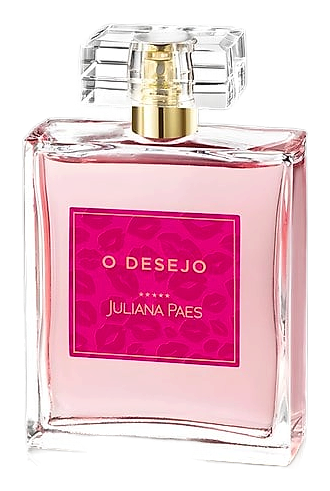
    O Desejo by Juliana Paes
    Best Seller
    4.0

    O Desejo

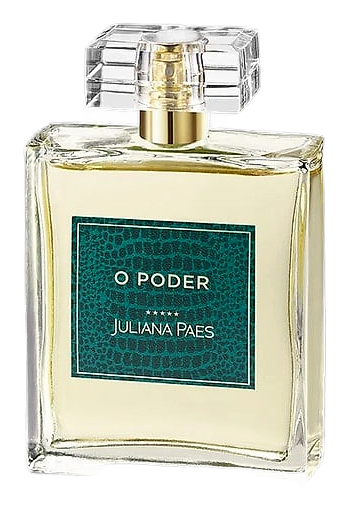
    O Poder by Juliana Paes
    Best Seller
    4.0

    O Poder

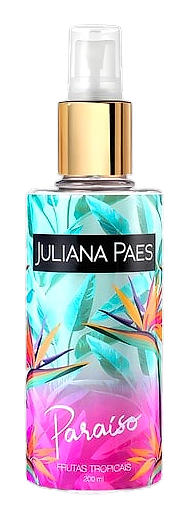
    Juliana Paes Paraíso by Juliana Paes
    Best Seller
    3.8

    Juliana Paes Paraíso

    Glam by Juliana Paes
    3.8

    Glam

    Juliana Paes Encanto by Juliana Paes
    3.8

    Juliana Paes Encanto

    Essence by Juliana Paes
    3.6

    Essence

    Precious by Juliana Paes
    3.6

    Precious

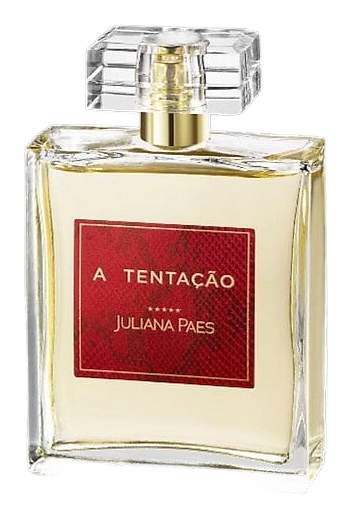
    A Tentação by Juliana Paes
    3.2

    A Tentação

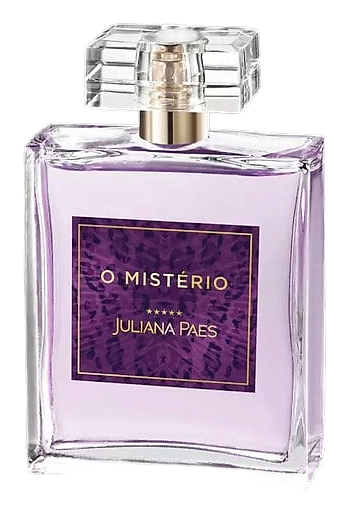
    O Mistério by Juliana Paes
    3.1

    O Mistério

    Juliana Paes Sonho by Juliana Paes
    3.0

    Juliana Paes Sonho

    The Heritage

    The Story of Juliana Paes

    Juliana Paes translates the energy of Brazil’s red‑carpet glamour into a line of fragrances that balance bright fruit notes with deeper, woody accents. Launched in 2012, the collection expands across more than a dozen scents, each bearing the actress’s personal imprint. The brand targets women who appreciate a scent that feels both familiar and adventurous, echoing the actress’s own mix of warmth and confidence. By 2020 the range includes Eau de Cologne, Eau de Parfum and limited‑edition releases, all positioned within Brazil’s growing niche‑fragrance market.

    Heritage

    The fragrance venture began in early 2012 when Juliana Paes, already a household name in Brazilian television, partnered with a local cosmetics house to create a scent that reflected her personal style. The inaugural launch, Essence, arrived in March 2012 and featured a blend of citrus and marine accords, a nod to the actress’s coastal upbringing. In 2013 the line grew with Exotic, a fragrance that introduced tropical fruit and spice, signaling a shift toward more vibrant compositions. 2014 saw the release of Glam, a scent built around floral heart notes that resonated with the actress’s red‑carpet persona. The following year, Precious arrived, drawing on beach‑side memories and incorporating sandalwood for a grounded finish. 2015 added A Tentação, a fragrance that paired sweet berries with warm amber, while 2016 introduced O Poder, a darker, more assertive scent that highlighted pepper and leather. 2017’s O Desejo expanded the portfolio with a fresh, tangerine‑led opening, and 2018 brought two releases – O Poder’s sister scent O Mistério and a re‑interpretation of earlier themes – both emphasizing pepper rose and lychee. The most recent additions, Juliana Paes Paraíso and Juliana Paes Encanto, debuted in 2020, each presenting a modern take on classic Brazilian flora. Throughout its evolution, the brand has maintained a steady release cadence, allowing the collection to mature while staying responsive to shifting consumer tastes. The partnership with perfumer Sonia (surname not publicly disclosed) has remained constant, providing a creative through‑line that ties each fragrance to a recognizable olfactory signature. While the line has never claimed global dominance, it has secured a loyal following in Brazil’s boutique perfume sector, where local sourcing and cultural relevance are prized.

    Craftsmanship

    Production takes place in Brazil’s established fragrance manufacturing hubs, where the brand works with facilities that meet International Fragrance Association (IFRA) standards. The perfumer Sonia collaborates closely with ingredient suppliers, selecting raw materials that meet both quality and ethical criteria. Citrus extracts are sourced from São Paulo’s orange groves, while lychee and raspberry notes come from farms in the Northeast that employ low‑pesticide practices. Pepper rose, a recurring note in O Mistério, is obtained from a small cooperative in Minas Gerais, ensuring traceability. Once the raw extracts arrive at the lab, they undergo gas‑chromatography analysis to verify purity before being blended. The blending process follows a step‑wise approach: top notes are introduced first, followed by heart and base components, allowing the fragrance to develop in a controlled environment. After blending, the mixture rests for several weeks to achieve equilibrium, a practice common among niche houses. Quality control includes stability testing under varying temperature and humidity conditions, ensuring the scent retains its character throughout its shelf life. Bottles are filled in a clean‑room environment to prevent contamination, and each batch is assigned a batch code for traceability. The brand’s packaging uses recyclable glass and aluminum caps, reflecting a growing industry focus on environmental impact. While the line does not publish detailed ingredient lists, third‑party fragrance databases such as Parfumo record frequently used accords, confirming the brand’s reliance on fruit, spice, and woody families.

    Design Language

    Visual identity leans on clean lines and a restrained color palette that lets the fragrance name take center stage. Early releases featured matte black bottles with gold‑foil lettering, a design choice that echoed the actress’s sleek red‑carpet gowns. In 2015, Precious introduced a soft‑blue gradient glass, evoking the sea‑side inspiration cited by the creator. The 2020 Paraíso bottle adopts a clear, slightly tinted glass with a subtle wave pattern etched around the shoulders, suggesting a tropical horizon. Caps are uniformly brushed aluminum, providing a tactile contrast to the smooth glass. Typography across the brand’s marketing materials uses a modern sans‑serif font, reinforcing a contemporary feel while maintaining readability. Promotional photography often places the bottle against natural backdrops – beaches, forests, or urban skylines – linking the scent to a specific Brazilian locale. The brand’s website mirrors this aesthetic, offering high‑resolution product images against white space, allowing the bottle’s form and color to speak without distraction. Graphic elements such as leaf motifs or abstract wave lines appear sparingly, reinforcing the connection to nature without overwhelming the design. Overall, the visual language balances elegance with approachability, mirroring Juliana Paes’s public persona.

    Philosophy

    Juliana Paes frames fragrance as an extension of personal storytelling. The brand’s statements, as reported in interviews, emphasize authenticity over trend‑following, encouraging wearers to select a scent that mirrors a specific mood or memory. Each perfume is presented as a chapter in a larger narrative, with the actress herself describing the creative process as a dialogue between scent and lifestyle. The line prioritizes ingredients that are native to Brazil, such as tropical fruits, native woods, and regional spices, reflecting a commitment to cultural heritage. Sustainability appears in the brand’s sourcing notes, which mention partnerships with local growers who practice responsible harvesting. The creative brief for each launch reportedly begins with a theme – for example, "paradise" for Paraíso – and then translates that concept into a palette of notes that evoke the intended feeling. The brand also values accessibility, positioning its products at price points that sit between mass‑market and high‑end niche, thereby inviting a broader audience to experience a scent that feels bespoke. This philosophy aligns with Juliana Paes’s public image as approachable yet sophisticated, and it guides everything from scent composition to marketing language.

    Key Milestones

    2012

    Essence, the first fragrance, launches, establishing the brand’s entry into the Brazilian market.

    2014

    Glam releases, featuring a floral heart that aligns with the actress’s red‑carpet image.

    2016

    A Tentação debuts, introducing a sweet‑berry and amber composition that expands the line’s emotional range.

    2018

    O Poder and O Mistério launch together, showcasing pepper rose and lychee notes and highlighting the brand’s evolving complexity.

    2020

    Juliana Paes Paraíso and Juliana Paes Encanto arrive, both emphasizing native Brazilian flora and modern bottle design.

    At a Glance

    Brand profile snapshot

    Origin

    Brazil

    Founded

    2012

    Heritage

    14

    Years active

    Collection

    1

    Fragrances released

    Avg Rating

    3.8

    Community sentiment

    Release Rhythm

    2020
    3
    2018
    2
    2017
    1
    2016
    1
    2015
    1
    2014
    1
    2013
    1
    2012
    1
    julianapaes.com

    Did You Know?

    Interesting Facts

    Distinctive details and defining moments that shape the house personality.

    01

    The perfumer credited on most releases is listed only as "Sonia," a rare case of a single, minimally publicized nose guiding an entire brand.

    02

    Several fragrances, such as Exotic and Paraíso, incorporate lychee, a fruit that is not traditionally used in mainstream Western perfumery.

    03

    Bottle designs for the 2020 releases feature an etched wave pattern that was hand‑crafted by a Brazilian ceramic artist.

    04

    Juliana Paes personally selected the top‑note ingredients for each launch, often tasting fruit samples herself before approval.

    The Artisans

    The Perfumers