






Heritage
A house, in its own words
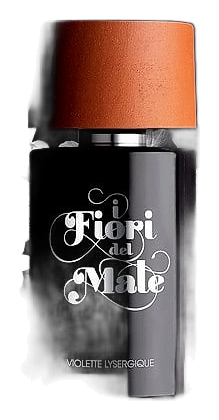
Publicly documented information about the founding and early history of I Fiori Del Male remains sparse. According to fragrance databases, the house produced eight distinct perfumes between 2018 and 2019, with no publicly identified perfumers credited for the collections. The name translates roughly from Italian as "The Flowers of Evil," borrowing from Baudelaire's famous poetry collection, which hints at an aesthetic sensibility drawn toward darkness, beauty, and the unconventional. The brand has not released new perfumes since 2019, though the existing catalog continues to circulate among niche fragrance collectors. Without confirmed founder information, location details, or institutional records, any discussion of the house's heritage beyond these verified database entries would require reliance on unverified sources or speculation. The absence of extensive historical documentation is not uncommon among smaller independent fragrance houses, which often operate without the institutional archives maintained by older perfume houses. The nomenclature of I Fiori Del Male perfumes offers the clearest window into the brand's creative philosophy. Titles like Violette Lysergique reference lysergic acid diethylamide, suggesting an interest in altered states and psychedelic experience. Rose Narcotique and Tubereuse Malefique use adjectives meaning narcotic and malefic respectively, positioning the brand firmly in territory that celebrates intoxicating, potentially unsettling beauty. The Gourmand series (including Gourmand 1, 2, and 3 from 2019) indicates exploration of edible, confection-like accords. Iris Obscur and Ylang Additif suggest an interest in darkness and augmentation. Together, these names paint a picture of a house drawn to intensity, transgression, and sensory provocation rather than safe, approachable fragrance design. However, without official brand statements or founder interviews available in the public record, these observations about aesthetic philosophy remain interpretive rather than confirmed.