Heritage
A house, in its own words
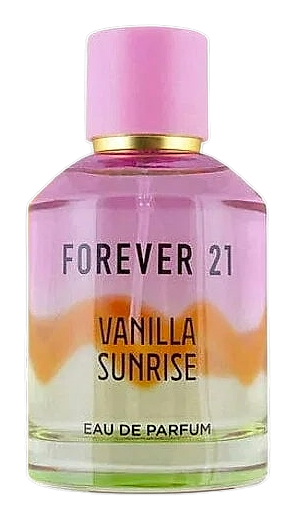
The Forever 21 story begins with Korean immigrants Do Won and Jin Sook Chang, who arrived in the United States in the 1980s with limited resources but ambitious goals. They opened their first store, Fashion 21, in Highland Park, Los Angeles in 1984, initially serving the local Korean-American community with trendy, affordable clothing. The business quickly resonated with a broader audience seeking fashion-forward looks without designer prices. By 1987, they formally incorporated as Forever 21, a name change that signaled their expansion ambitions. The first mall-based location followed in 1989, and for the next several years, growth remained concentrated within California. The mid-1990s marked a turning point when the company began its national expansion, eventually becoming a mall staple across the country. Their rise paralleled the democratization of fashion, making trends accessible to young shoppers who previously could not afford runway-inspired pieces. This positioning shaped their eventual entry into fragrance—the brand saw an opportunity to extend its lifestyle ethos into personal scent, creating perfumes that mirrored their clothing: stylish, current, and attainable. Forever 21 approached fragrance with the same principle that built its fashion empire: style should be accessible. Rather than positioning itself within luxury perfumery, the brand targeted the young, trend-conscious consumer who wanted a signature scent without the investment of high-end designer labels. Their fragrances typically feature bright, youthful profiles—fruity top notes, soft florals, and clean base notes that remain light and wearable. The philosophy centers on scent as an extension of personal style, something that can change with mood or season rather than remaining fixed as a lifelong signature. This approach reflects the fast-fashion model's broader cultural shift: treating trendiness as inherently valuable rather than shameful. By keeping fragrances affordable and accessible, Forever 21 opened scent culture to consumers who might otherwise feel excluded from the perfume world.