Heritage
A house, in its own words
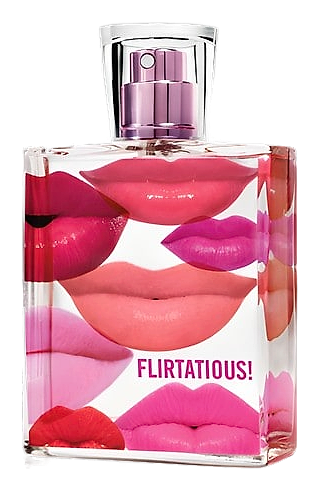
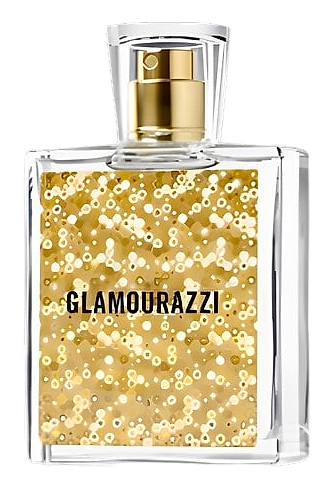
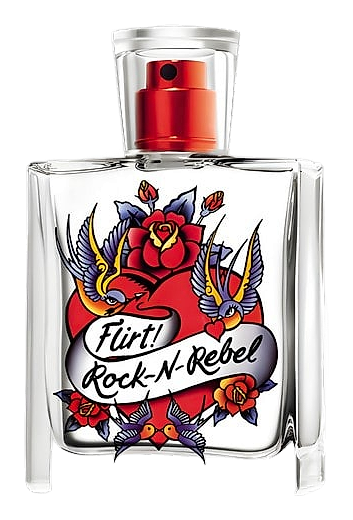
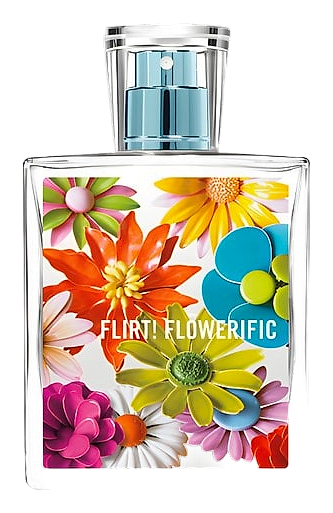
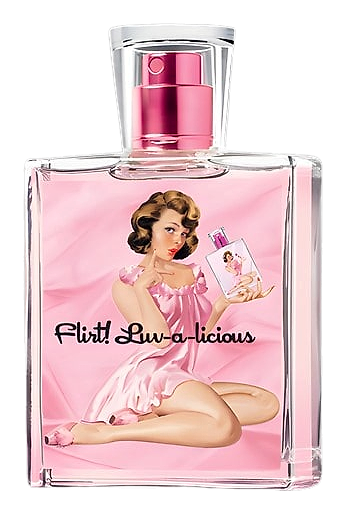
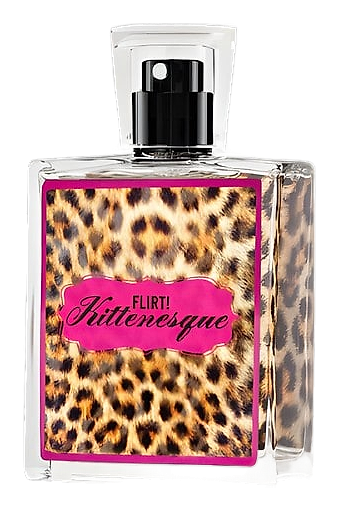
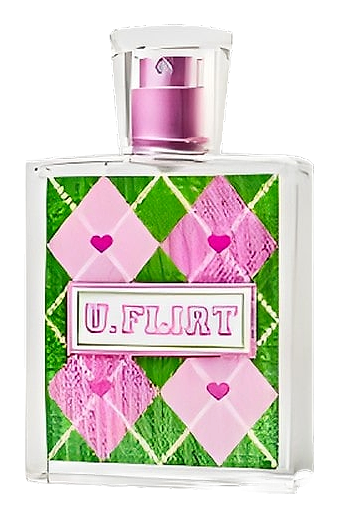
Verifiable information about Flirt!'s founding circumstances proves limited. The brand's active period, as evidenced by its registered fragrance releases, spans from 2007 through 2013. During this window, the mass fragrance market experienced significant expansion, with brands increasingly targeting younger consumers through playful branding and accessible price points. Flirt! arrived during a period when several niche and accessible fragrance labels emerged to capture demand from consumers seeking alternatives to established luxury houses. The names of the seven fragrances attributed to the brand across those years (Glamourazzi, Rock N Rebel, Flirtatious, Luv-a-licious, Kittenesque, Flowerific, U-Flirt) provide the primary documentary evidence of the brand's output. These names suggest a coherent creative direction centered on exuberance and romantic playfulness. No publicly verifiable information links Flirt! to a specific perfumer, founding family, or established fragrance house. The brand does not appear in widely available fragrance industry databases as a currently operating business, though this absence may reflect market consolidation rather than discontinuation. The brand philosophy of Flirt! must be reconstructed primarily from its product catalog rather than from documented statements. The nomenclature of its seven known fragrances reveals an underlying creative commitment to levity, boldness, and romantic themes. Names like Glamourazzi, Flirtatious, Luv-a-licious, and U-Flirt lean into flirtation and allure as central concepts. Others, such as Rock N Rebel and Kittenesque, suggest subcultural alignment with music and feline imagery respectively. Flowerific grounds the collection in floral territory. This naming strategy points toward a brand philosophy that treated fragrance as an extension of personality and play rather than as a formal accessory. The absence of linked perfumers to the brand's releases suggests either that the compositions were developed in-house or that perfumer attribution was deprioritized in favor of brand identity. The overall impression, derived from naming patterns rather than documented intent, indicates a vision of fragrance as democratic, fun, and unapologetically commercial.