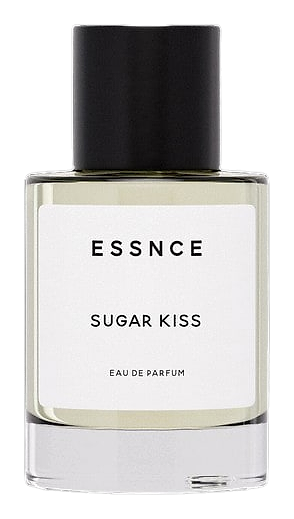
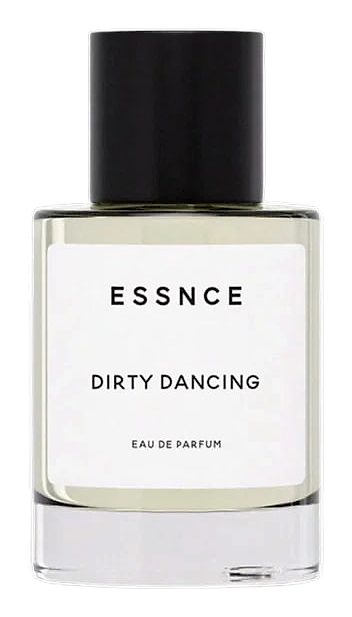
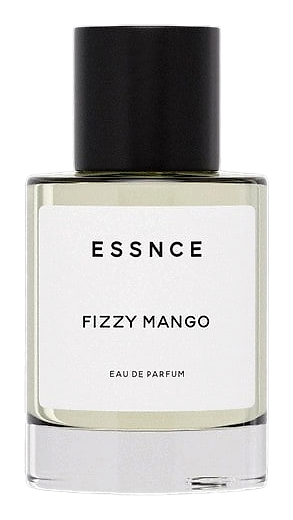
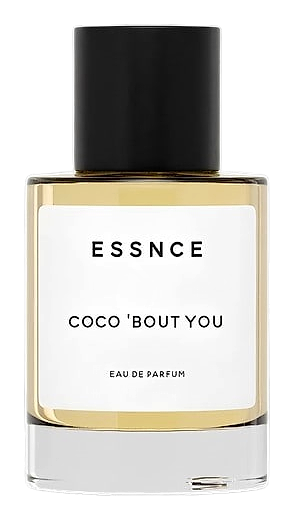
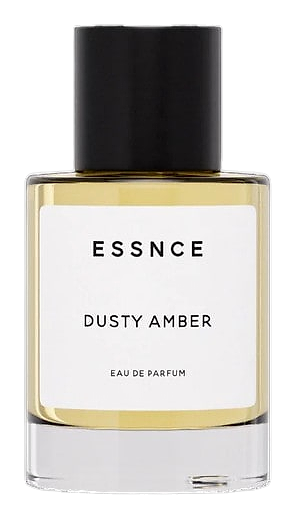
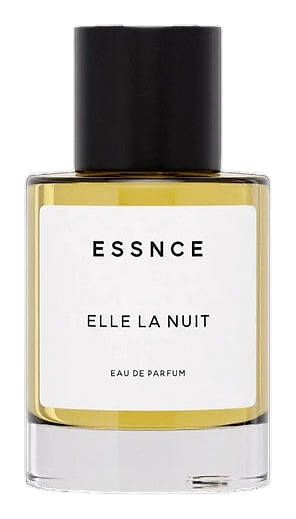
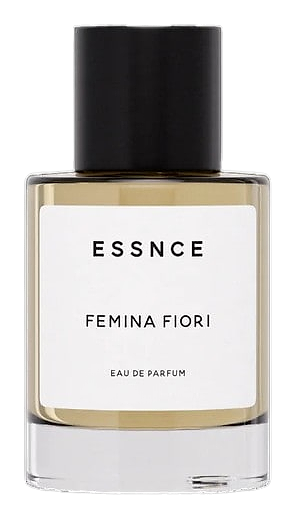
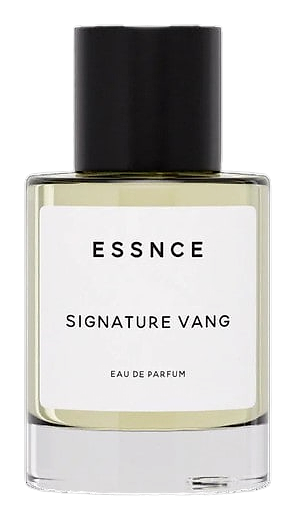
    Brand Profile

    ESSNCE curates a small but vivid catalogue of modern fragrances that balance nostalgic notes with unexpected twists. The line includes brigh…More

    Unknown

    7

    Fragrances

    3.5

    Rating

    Just Landed

    New Arrivals

    The latest additions to the ESSNCE collection.

    50
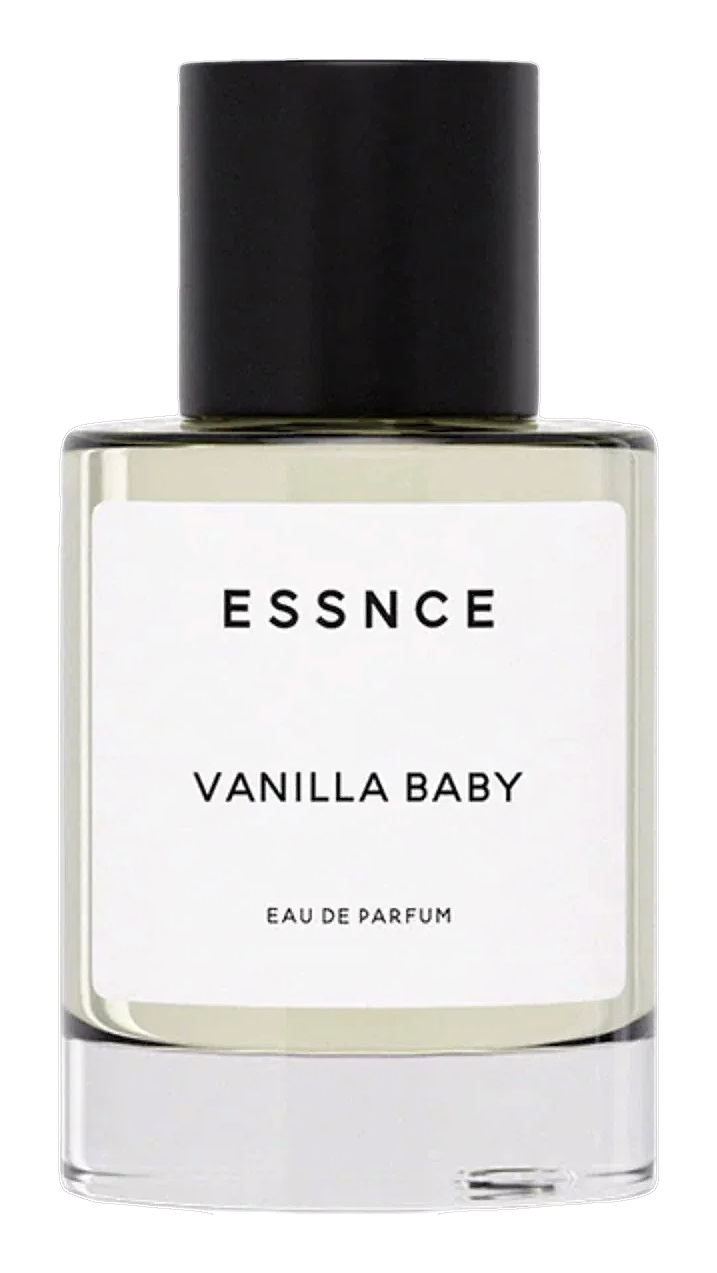
    Vanilla Baby by ESSNCE – Eau de Parfum
    4.3

    Vanilla Baby

    Eau de Parfum

    Coco On The Beach by ESSNCE
    4.0

    Coco On The Beach

    Jardin de Flora by ESSNCE
    3.3

    Jardin de Flora

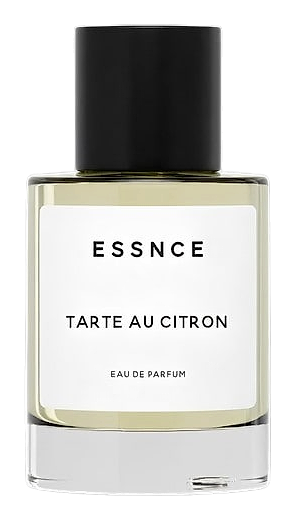
    Tarte Au Citron by ESSNCE
    NewBest Seller
    4.5

    Tarte Au Citron

    1992 by ESSNCE
    Best Seller
    4.5

    1992

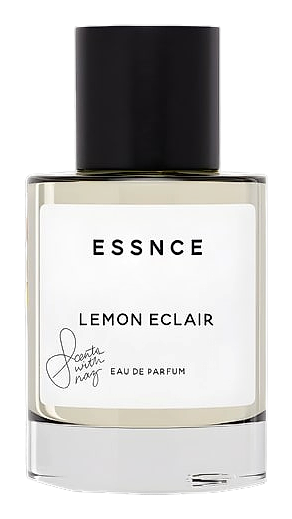
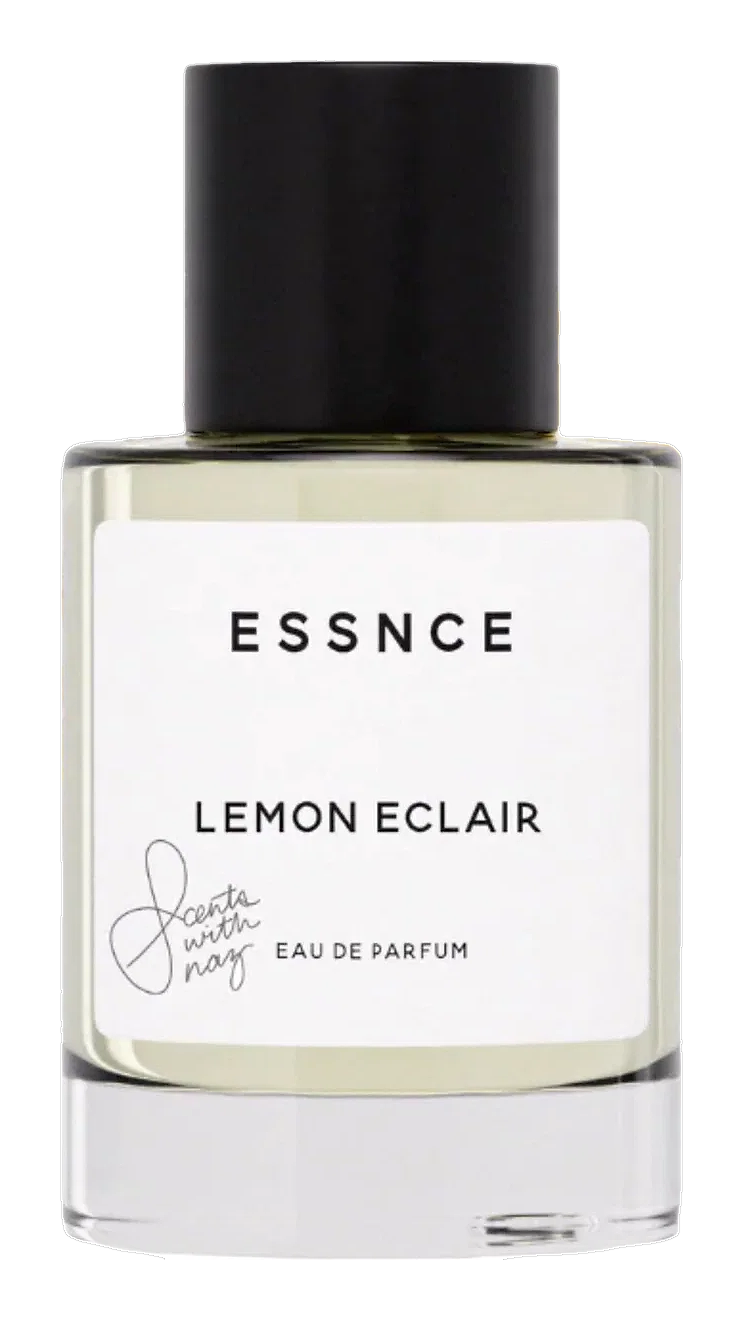
    Lemon Eclair by ESSNCE
    Best Seller
    4.4

    Lemon Eclair

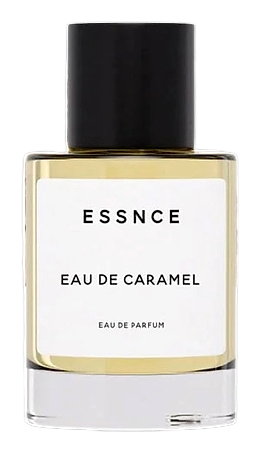
    Eau de Caramel by ESSNCE
    4.3

    Eau de Caramel

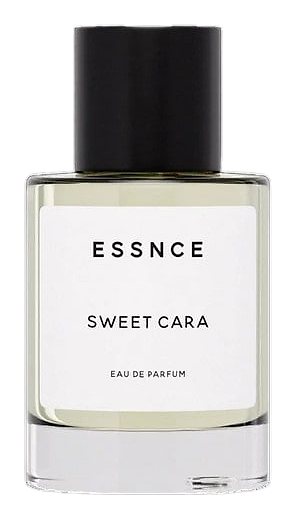
    Sweet Cara by ESSNCE
    4.3

    Sweet Cara

    Carashmellow by ESSNCE
    4.3

    Carashmellow

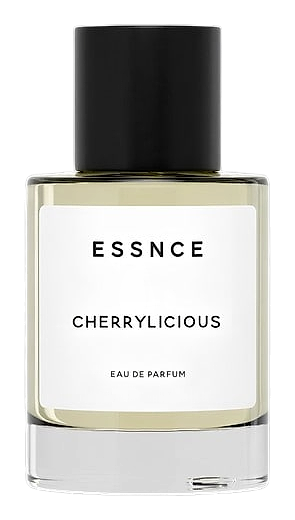
    Cherrylicious by ESSNCE
    4.3

    Cherrylicious

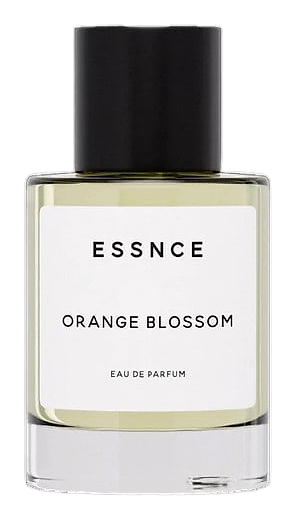
    Orange Blossom by ESSNCE
    4.2

    Orange Blossom

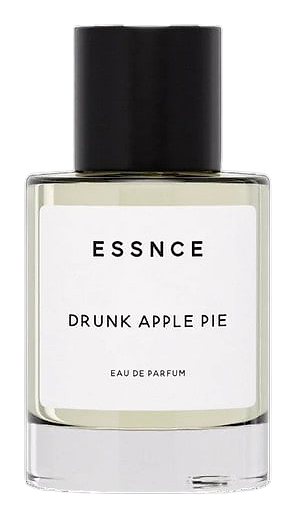
    Drunk Apple Pie by ESSNCE
    4.2

    Drunk Apple Pie

    1 of 5

    The Heritage

    The Story of ESSNCE

    ESSNCE curates a small but vivid catalogue of modern fragrances that balance nostalgic notes with unexpected twists. The line includes bright citrus compositions such as Tarte Au Citron (2026) and sweet gourmand creations like Eau de Caramel (1992) and Drunk Apple Pie (2023). Each scent arrives in a clean bottle that lets the perfume speak for itself, inviting collectors to explore a world where simplicity meets depth. ESSNCE positions itself as a laboratory for scent experiments rather than a mass‑market house, offering limited releases that encourage personal discovery.

    Heritage

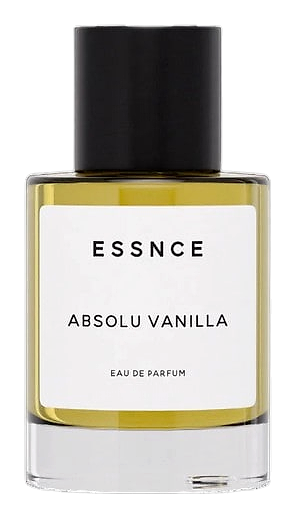
    ESSNCE entered the fragrance scene with the launch of Eau de Caramel in 1992, a scent that combined warm sugar accords with a subtle vanilla base. Industry listings from that period note the fragrance’s appearance in niche boutiques across Europe, suggesting the brand operated from a modest workshop rather than a large corporate studio. By the early 2000s, the label reportedly expanded its roster, adding citrus‑forward offerings and exploring seasonal limited editions. In 2023 the house released a cluster of new scents—Sweet Cara, Orange Blossom, Drunk Apple Pie and Absolu Vanilla—demonstrating a renewed focus on gourmand and floral narratives. The following year, Carashmellow arrived, blending caramel and marshmallow tones in a single composition. ESSNCE’s most recent addition, Tarte Au Citron (2026), showcases a bright lemon facet that reflects the brand’s ongoing interest in revitalising classic citrus structures. Throughout its evolution, ESSNCE has maintained a low‑profile distribution model, favoring direct‑to‑consumer channels and selective partnerships with independent retailers. The brand’s trajectory illustrates a commitment to iterative creativity, where each release builds on the sensory language established by its predecessors while remaining responsive to contemporary scent trends.

    Craftsmanship

    ESSNCE produces its fragrances in small batches, a method that allows the house to monitor quality at each stage. The brand sources natural extracts such as Sicilian lemon zest, Madagascar vanilla beans and French caramelized sugar from farms that practice fair trade and low‑impact agriculture. Synthetic aroma chemicals are employed only when they provide stability or a note that cannot be replicated naturally, and each ingredient undergoes rigorous purity testing in accredited laboratories. Production takes place in a workshop equipped with temperature‑controlled mixing rooms, ensuring that volatile components retain their integrity. After blending, the perfume rests in stainless‑steel tanks for a maturation period that ranges from two weeks to three months, depending on the formula’s complexity. This resting phase allows the scent’s layers to harmonise, reducing sharp edges and enhancing smoothness. Bottling occurs on a dedicated line where each glass vessel is hand‑filled, capped and inspected for imperfections. ESSNCE uses recyclable amber glass that protects the liquid from light while offering a minimalist aesthetic. Quality control includes blind scent panels that evaluate each batch against a reference standard, guaranteeing consistency across releases. The brand’s commitment to traceability extends to its packaging partners, who provide documentation of recycled content and carbon‑offset initiatives.

    Design Language

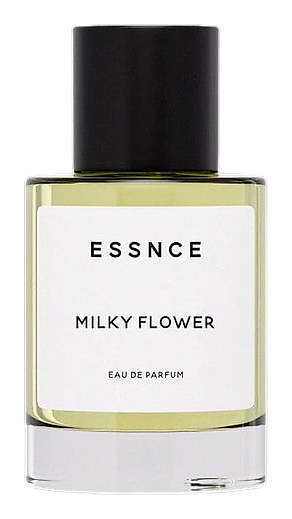
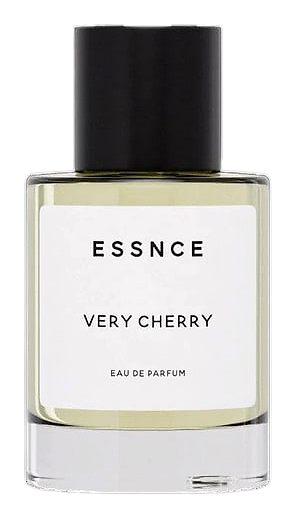
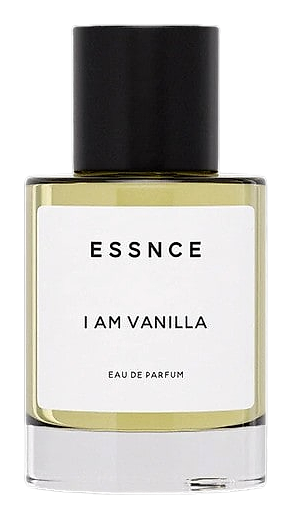
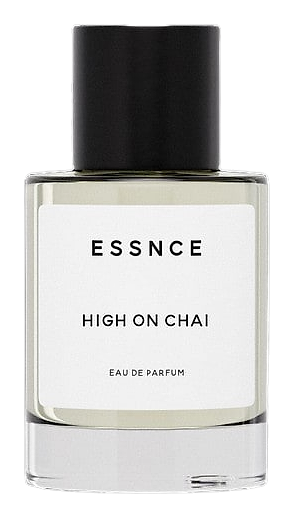
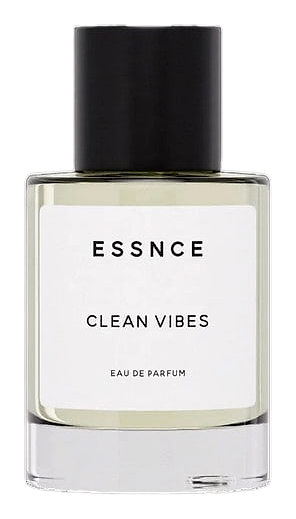
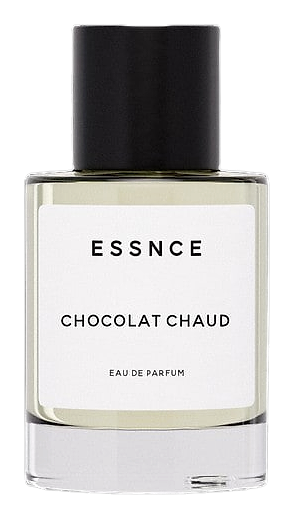
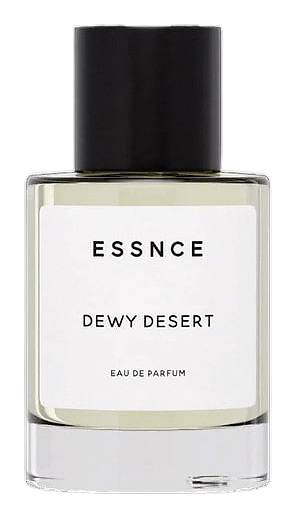
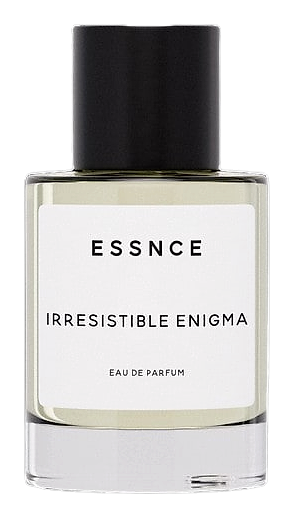
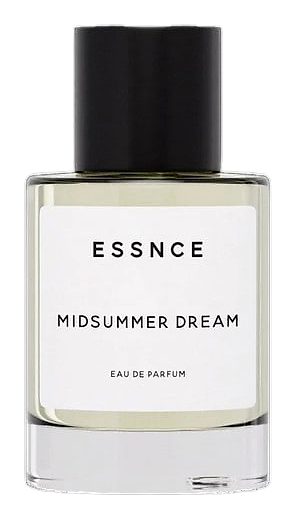
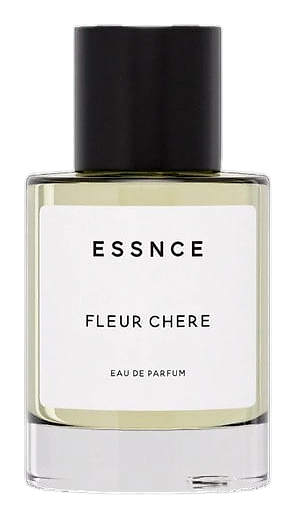
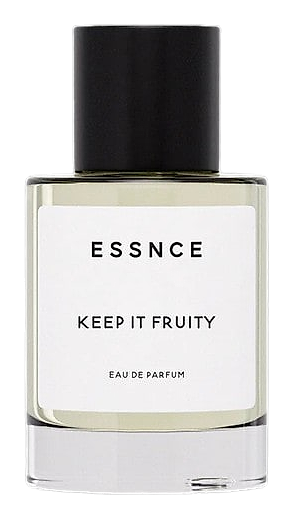
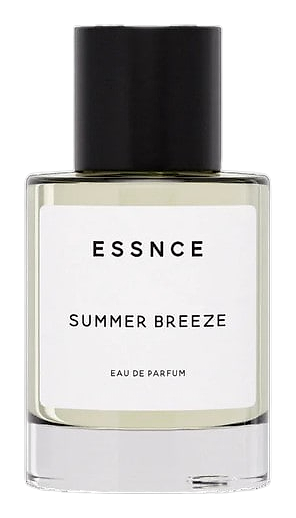
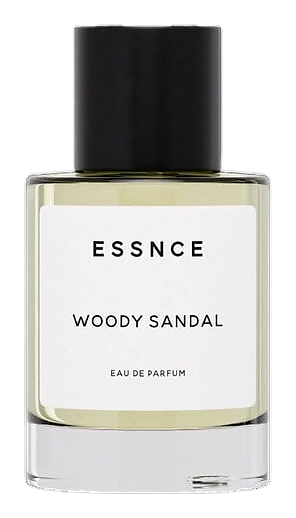
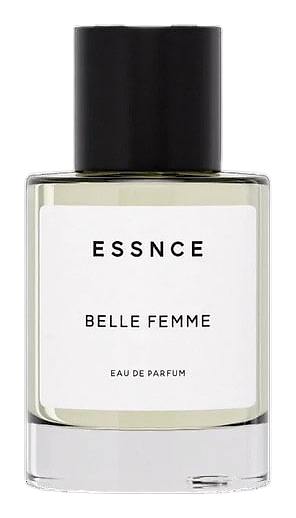
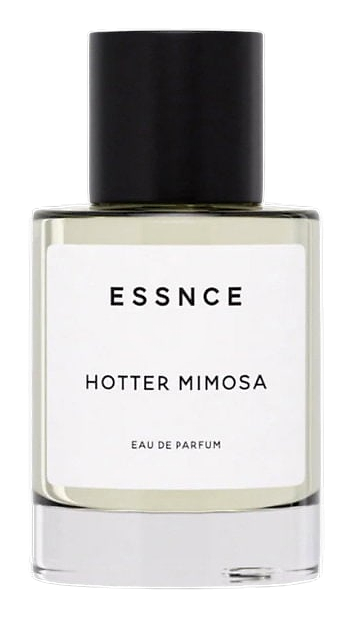
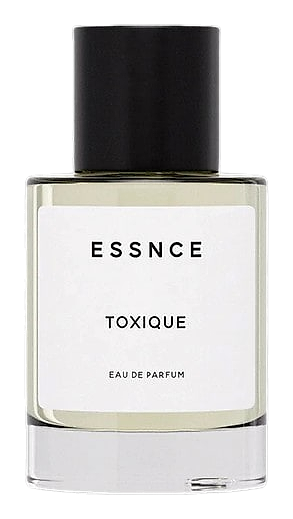
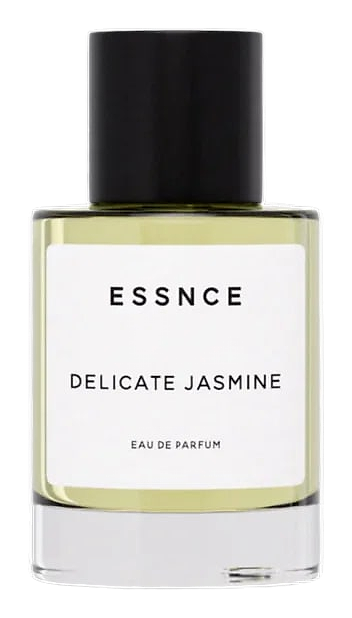
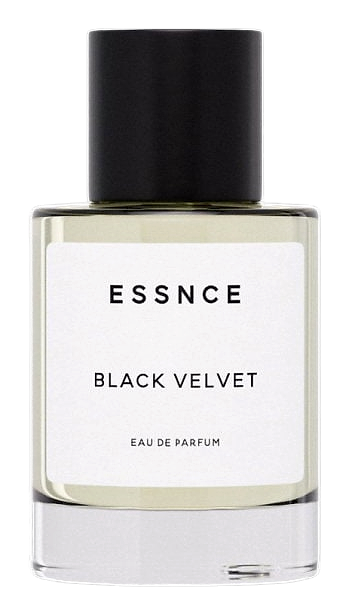
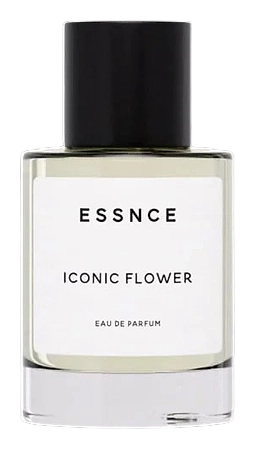
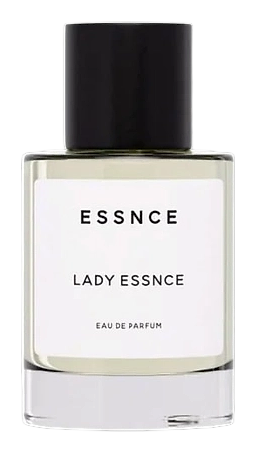
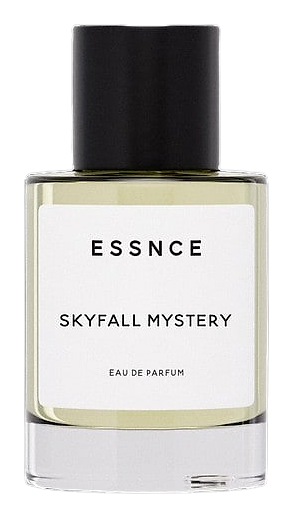
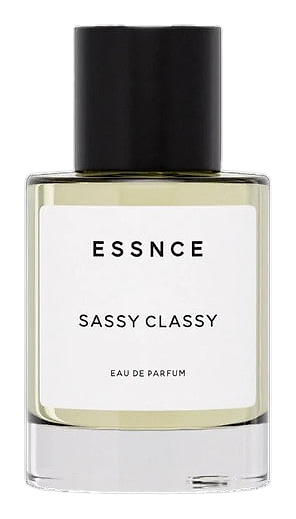
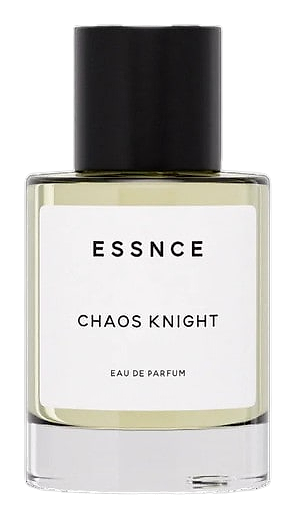
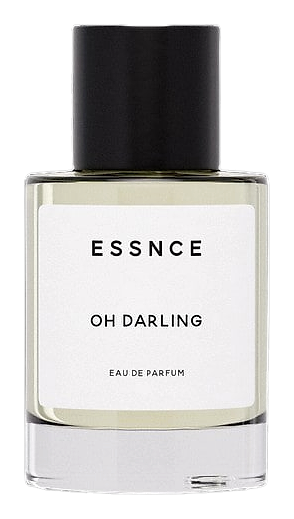
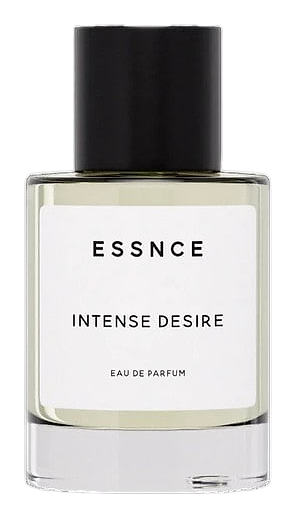
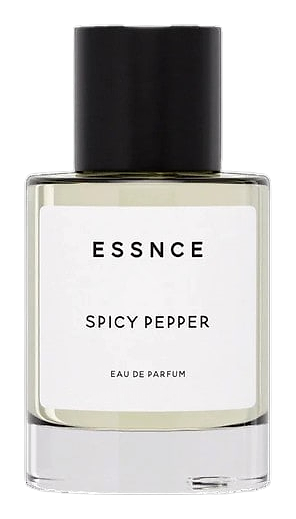
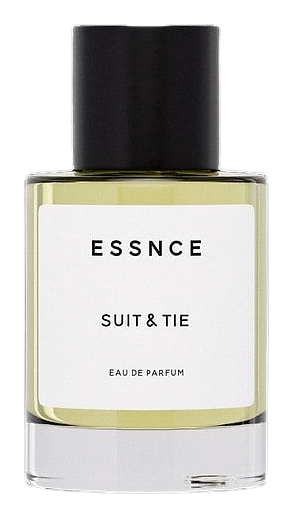
    ESSNCE’s visual identity mirrors its olfactory restraint. The bottles feature a slender, cylindrical silhouette with a brushed metal cap that feels cool to the touch. Labels consist of a thin black band stamped with the fragrance name in a sans‑serif typeface, allowing the clear glass to remain the focal point. The brand’s colour palette leans toward muted neutrals—soft ivory, pale amber and charcoal—reflecting the understated nature of the scents inside. Marketing imagery often depicts the perfume beside the raw ingredients that inspired it, such as a lemon wedge beside Tarte Au Citron or a caramel drizzle beside Eau de Caramel, reinforcing the narrative of ingredient‑driven creation. Digital assets use clean layouts with ample white space, inviting viewers to linger on each detail. In retail settings, ESSNCE displays its bottles on simple wooden trays, letting the glass and the scent story stand out without decorative clutter. This cohesive aesthetic underscores the brand’s philosophy that elegance arises from clarity rather than excess.

    Philosophy

    ESSNCE frames its creative vision around the idea that fragrance should act as a personal archive of moments. The brand encourages perfumers to translate everyday experiences—such as the scent of a freshly baked tart or the crispness of a spring lemon—into olfactory stories that listeners can carry with them. ESSNCE values transparency in ingredient sourcing, opting for suppliers that provide traceable raw materials and that adhere to sustainable harvesting practices. The label also emphasizes restraint; rather than layering dozens of notes, it isolates a few key accords and lets them develop naturally on the skin. This approach reflects a belief that simplicity can reveal complexity, a principle that guides both composition and packaging. ESSNCE’s editorial tone avoids hyperbole, instead offering clear descriptions that help consumers imagine the scent’s character before purchase. By focusing on honest storytelling and responsible sourcing, the house aims to foster a community of scent enthusiasts who appreciate both the artistry and the ethics behind each bottle.

    Key Milestones

    1992

    Launch of Eau de Caramel, marking ESSNCE’s entry into the niche fragrance market.

    2023

    Release of Sweet Cara, Orange Blossom, Drunk Apple Pie and Absolu Vanilla, expanding the brand’s gourmand and floral portfolio.

    2024

    Introduction of Carashmellow, a caramel‑marshmallow hybrid that showcases ESSNCE’s experimental edge.

    2026

    Debut of Tarte Au Citron, a bright lemon composition that revisits classic citrus structures with modern clarity.

    At a Glance

    Brand profile snapshot

    Origin

    Unknown

    Collection

    7

    Fragrances released

    Avg Rating

    3.5

    Community sentiment

    Release Rhythm

    2026
    1
    2025
    1
    2024
    4
    2023
    24

    Did You Know?

    Interesting Facts

    Distinctive details and defining moments that shape the house personality.

    01

    Eau de Caramel (1992) was one of the earliest niche fragrances to pair caramel with a subtle spice backbone, a combination that later inspired a wave of gourmand scents in the 2000s.

    02

    The lemon zest used in Tarte Au Citron comes from organic orchards in the Amalfi Coast, where growers harvest the fruit by hand to preserve essential oils.

    03

    ESSNCE’s Carashmellow incorporates a natural marshmallow extract derived from a proprietary process that stabilises the fluffy texture’s aroma without synthetic enhancers.

    04

    During the 2023 release cycle, ESSNCE limited each new scent to 2,500 bottles, a strategy that created a secondary market where collectors trade the bottles as miniature art pieces.