The Heritage
The Story of Denim
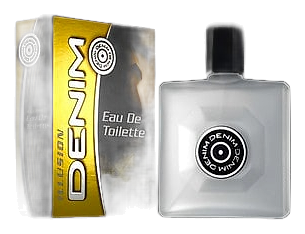
Denim is a fragrance house that emerged in the mid‑1970s with a focus on masculine scents that last through a day of activity. The brand introduced its first aftershave in 1976 and has since expanded the line with reinterpretations, limited editions and niche releases such as Denim 1976 (2016) and Denim Gold (2016). Denim positions its creations as straightforward, wearable aromas that echo the durability and comfort of the fabric that inspired the name. The portfolio includes Vibe, Original, Musk, River, Black, Aqua, Wild and Illusion, each aimed at a specific facet of modern life.
Heritage
Denim opened its doors in 1976, a year that coincided with a surge of interest in casual, work‑wear inspired fashion. The brand launched an aftershave that combined fresh citrus top notes with a warm, woody base, targeting men who preferred a scent that matched the durability of denim clothing. Early advertising placed the fragrance in barbershops and sports clubs, reinforcing its association with everyday masculinity. By the early 1980s Denim added a cologne called Original, extending the scent family while keeping the same structural backbone. In 1995 the house released Musk, a composition that highlighted amber and synthetic musk molecules, reflecting the era’s growing acceptance of lab‑derived ingredients. The turn of the millennium saw Denim experiment with aquatic accords in Aqua and aromatic greens in River, signaling a willingness to adapt to shifting olfactory trends. In 2016 the company marked the 40th anniversary of its debut aftershave with Denim 1976, a reformulated version that retained the original’s heart while sharpening the opening citrus. That same year Denim Gold entered the market, offering a richer, amber‑laden take on the classic silhouette. Throughout its four‑decade history Denim has maintained a consistent distribution model, selling through department stores, specialty boutiques and online platforms that cater to fragrance enthusiasts. The brand’s longevity stems from a steady release cadence, a clear target audience, and a reputation for producing scents that endure on the skin without relying on fleeting trends.
Craftsmanship
Denim constructs its fragrances in a stepwise process that blends traditional techniques with contemporary laboratory practices. The formulation team begins by selecting a core accord—often a citrus, woody or aromatic base—then layers supporting notes to achieve balance. Natural extracts such as bergamot, sandalwood and ambergris substitutes are sourced from suppliers that provide traceability certificates, allowing the brand to verify ethical harvesting. Synthetic aroma chemicals, including iso e super and hedione, are incorporated to enhance projection and stability, reducing the need for large volumes of scarce natural raw materials. Once a formula reaches the testing stage, perfumers create small pilot batches that undergo skin tests on volunteers of varied ages and ethnicities. Feedback informs adjustments to concentration and evaporation curve. Approved blends move to larger scale production in facilities that meet ISO 9001 quality standards. During bottling, Denim employs a semi‑automatic line that fills each 50 ml or 100 ml glass vessel under controlled temperature and humidity to preserve aromatic integrity. The brand caps each bottle with a brushed aluminium or matte black spray atomizer, chosen for its functional reliability and understated look. Quality control inspectors verify each batch against a reference standard using gas chromatography, ensuring that every release matches the original olfactory blueprint. The final product is packaged in a simple cardboard sleeve that bears the brand’s name in a clean sans‑serif typeface, reflecting Denim’s commitment to functional elegance.
Design Language
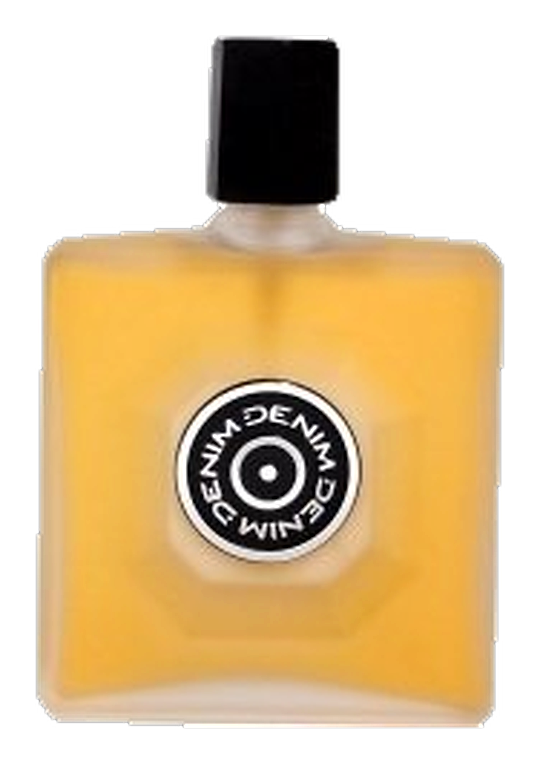
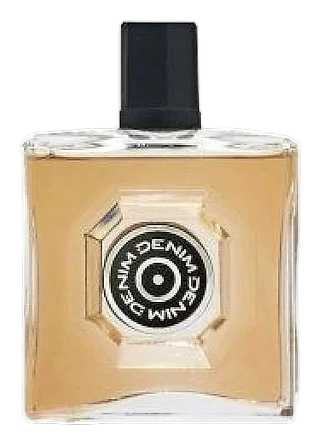
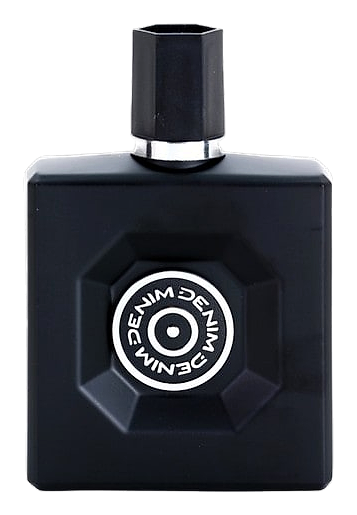
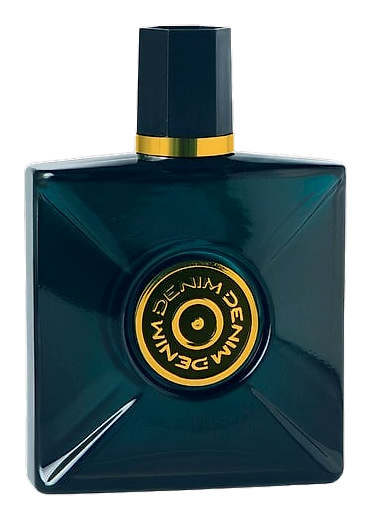
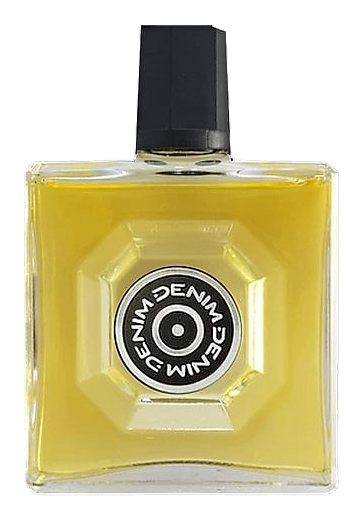
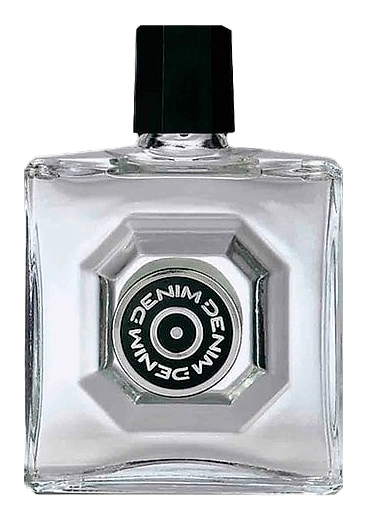
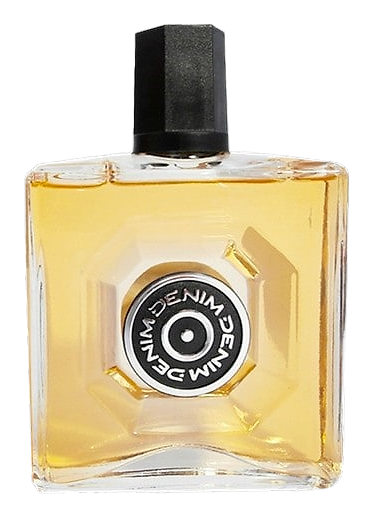
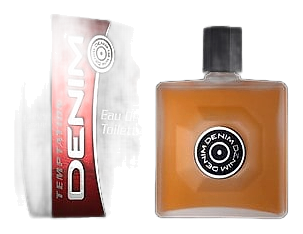
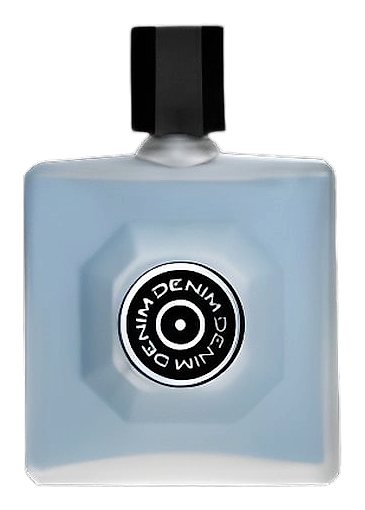
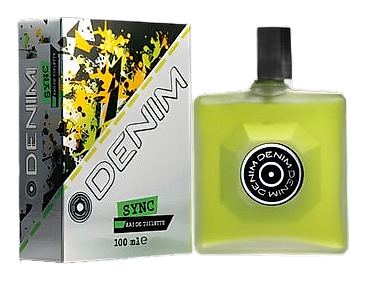
Denim’s visual language mirrors the straightforward nature of its scents. The brand favors a monochrome palette—black, white and muted denim blue—paired with minimal typography. Bottles typically feature a squat, cylindrical shape that rests on a thin base, evoking the silhouette of a rolled pair of jeans. The glass is clear, allowing the liquid’s hue to be seen, while the label consists of a single line of text in a bold, unadorned font. Limited editions such as Denim Gold introduce a metallic accent, but the overall design remains restrained. The spray nozzle often appears in brushed aluminium, adding a subtle tactile contrast without overwhelming the composition. Marketing imagery showcases the fragrance in everyday contexts: a man adjusting a cuff, a cyclist pausing at a city crosswalk, or a group gathered around the Denim Chair in a loft setting. The brand’s digital presence continues this theme, using clean layouts, generous white space and high‑resolution product photography that highlights texture over dramatization. This aesthetic strategy reinforces Denim’s promise of reliability and approachability, inviting consumers to view the fragrance as an extension of their daily wardrobe rather than a collectible object.
Philosophy
Denim approaches perfumery with a pragmatic mindset. The house believes that a fragrance should complement daily routines rather than dominate them. It values clarity of composition, opting for a limited palette of notes that can be recognized without extensive analysis. Denim’s creators prioritize durability; they test each batch for longevity on a range of skin types before release. The brand also embraces a modest aesthetic, avoiding excessive embellishment in packaging and marketing. Sustainability enters the conversation through selective sourcing of natural ingredients, such as responsibly harvested cedar and responsibly farmed citrus peels, while still employing modern synthetics that reduce environmental impact. Denim encourages wearers to associate scent with personal memory, encouraging a connection that goes beyond fleeting novelty. The house’s communication style remains conversational, inviting customers to explore the scent line in relaxed settings like the Denim Chair, a pop‑up space where visitors can sample and discuss fragrances in an informal atmosphere.
Key Milestones
1976
Denim launches its first aftershave, establishing a masculine scent line rooted in fresh citrus and warm woods.
1982
Original cologne debuts, expanding the brand’s portfolio while preserving the core olfactory structure.
1995
Musk is released, incorporating synthetic musk molecules that reflect evolving industry practices.
2001
Aqua arrives, introducing aquatic accords that respond to early‑2000s fragrance trends.
2016
Denim 1976 celebrates the 40th anniversary of the original aftershave with a reformulated edition.
2016
Denim Gold launches, offering a richer, amber‑focused reinterpretation of the classic scent.
At a Glance
Brand profile snapshot
Founded
1976
Heritage
50
Years active
Collection
2
Fragrances released
Avg Rating
4.2
Community sentiment


