






Heritage
A house, in its own words
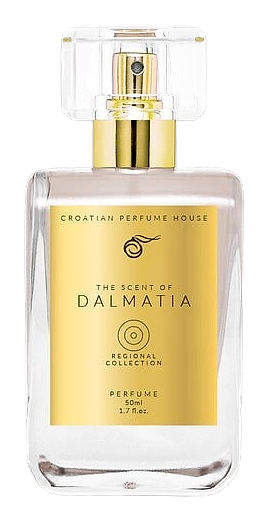
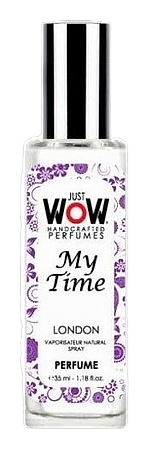
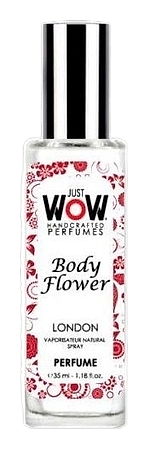
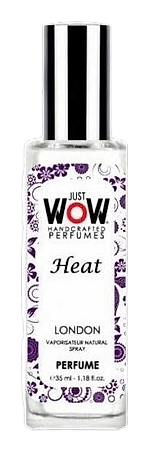
The story of Croatian Perfume House begins in Čakovec, a town in northern Croatia known for its textile heritage. In an interview, owner‑perfumer Tomislav Vrbanec explained that the brand emerged as a regional extension of the European Perfume House (EPH), a collective of niche houses managed by the Aroma Fragrance Lab. While the exact founding year is not publicly documented, industry observers note that the house entered the market in the mid‑2010s, coinciding with a broader resurgence of artisanal perfume makers in Central and Eastern Europe. Early milestones include the 2017 release of the Just Wow collection, a series that pairs bold naming with approachable compositions, followed by a wave of city‑centric fragrances in 2018—The Scent Of Split, The Scent Of Zadar, The Scent Of Hvar, The Scent Of Osijek, The Scent Of Opatija and The Scent Of Cres. These releases marked the brand’s first coordinated effort to map Croatia’s geography onto scent, a concept that resonated with both domestic buyers and travelers seeking a fragrant souvenir. By 2019, Croatian Perfume House secured distribution through select boutique retailers across the EU, leveraging the EPH network’s logistics. In 2021 the house announced a shift toward recyclable packaging, aligning with Aroma Fragrance Lab’s sustainability roadmap. The following year, a formal partnership with the parent lab was highlighted in trade publications, confirming the brand’s role as a key regional node within a pan‑European fragrance ecosystem. Today, the house continues to expand its portfolio while maintaining a focus on locality, craftsmanship and the collaborative spirit that defined its early years. Croatian Perfume House frames its creative vision around place‑based storytelling. The brand believes that a scent can act as a portable memory of a city’s market square, a seaside promenade or a vineyard’s autumn harvest. This philosophy emerged from Tomislav Vrbanec’s background in both perfumery and regional marketing; he describes the house’s mission as “capturing the essence of a location without resorting to cliché.” The house values transparency in ingredient sourcing, opting for suppliers that can trace raw materials to the Adriatic coast or inland Croatian farms. It also emphasizes modest luxury—offering refined compositions at a price point that remains accessible to regional consumers. Collaboration sits at the core of its process: each fragrance is developed in dialogue with local historians, chefs and artisans to ensure that the olfactory narrative aligns with cultural nuance. The brand’s ethos extends beyond scent; it seeks to promote Croatian craftsmanship on the global stage, encouraging a dialogue between tradition and contemporary design. By grounding its work in specific geographies, the house hopes to foster a sense of belonging among wearers, turning a perfume bottle into a small, fragrant passport.