
Heritage
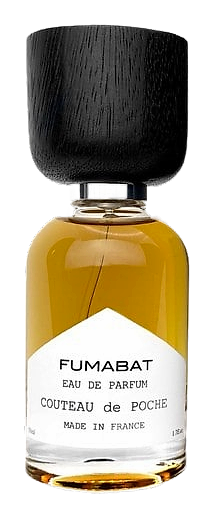
A house, in its own words
Couteau de Poche was established in Brooklyn, New York, by Parid Cefa, who serves simultaneously as founder and perfumer. The year 2017 marked the house's debut with Fumabat, a leather chypre that announced a distinctive voice in the niche fragrance landscape. Rather than building through volume, Couteau de Poche has chosen a measured path, releasing new work at a pace that suggests deliberation rather than commercial pressure. The pocket knife nomenclature reflects a sensibility that values utility and precision, tools designed for specific purposes rather than general appeal. Brooklyn's creative community has long served as a breeding ground for such focused, anti-mainstream approaches to craft, and the fragrance house fits naturally within that tradition. Parid Cefa's background inform his architectural approach to perfume composition, treating fragrance as structure and balance rather than mere ingredient combination. The house gained recognition through independent fragrance communities and retailers who appreciated its commitment to considered, unhurried creation. By 2024, the release of Metal Redux demonstrated continued exploration of material themes, maintaining the house's reputation for precise, purposeful work. Couteau de Poche represents a particular strain of American niche perfumery that values depth over breadth, asking collectors to engage with each release as a complete artistic statement rather than another product in an endless line. The philosophy of Couteau de Poche centers on irreverence paired with elegance, a combination that sounds contradictory until one encounters the work itself. Parid Cefa approaches fragrance as an architect approaches structure, with attention to how elements support and counterbalance one another. Rather than chasing seasonal trends or market demands, the house creates from a place of genuine necessity, releasing work only when a composition feels complete. This patience manifests in the infrequency of releases, a deliberate choice that treats each fragrance as a finished statement rather than an ongoing series of iterations. The pocket knife concept extends beyond nomenclature into the brand's attitude toward perfumery itself, treating fragrance as a practical tool for personal expression that can also achieve exceptional craftsmanship. There is an underlying belief that fragrance should serve the wearer actively, functioning like a well-made instrument rather than a decorative object. This functional orientation coexists with aesthetic ambition, creating work that satisfies both intellectual and sensory engagement. The house rejects the notion that niche perfumery must be inaccessible or academic, preferring instead to speak through the compositions themselves.