
Heritage
A house, in its own words
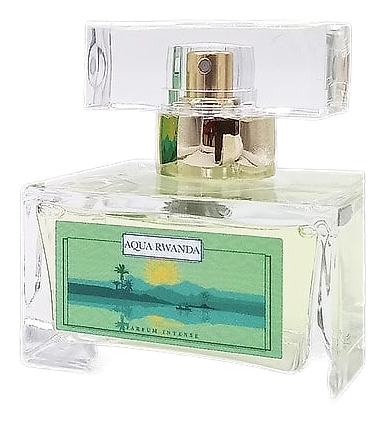
Aqua Rwanda was founded in 2018, with its official launch taking place on August 1 of that year in Kigali, the capital city of Rwanda. The event marked a milestone for the small East African nation, where the fragrance industry had been largely absent. The company introduced two gender-neutral fragrance options at launch, the original Aqua Rwanda and the concentrated Parfum Intense variant, both carrying the brand name. Rwanda, known as the Land of 1000 Hills for its dramatic mountainous terrain, provided the geographical and cultural inspiration for the collection. The brand was established to create a distinctly Rwandan olfactory identity, drawing on the country's natural resources and positioning itself within the growing conversation around African luxury goods. Operating from Kigali, Aqua Rwanda has built its presence through social media and online sales, reaching customers internationally while maintaining its roots in Rwandan production. The company has focused on establishing itself as a pioneer in domestic fragrance manufacturing, an area with limited competition in the region. Aqua Rwanda describes its creative vision as bottling the essence of Rwanda for a global audience. The brand states it draws inspiration from the flavors, landscapes, and natural resources of its homeland, seeking to translate sensory memories of Rwanda into wearable form. The philosophy centers on authenticity and origin, using the tagline "The Scent of Passion" to frame fragrance as an emotional and personal expression rather than a generic commercial product. Aqua Rwanda positions itself as a bridge between local Rwandan identity and international fragrance culture, believing that scent can communicate a sense of place. The gender-neutral formulation of its perfumes reflects a contemporary approach to fragrance design, rejecting traditional male/female categorical divisions in favor of universal appeal. The brand reportedly emphasizes the importance of African authorship in the fragrance industry, suggesting its work contributes to a broader narrative of African creative and economic independence.