


Heritage
A house, in its own words
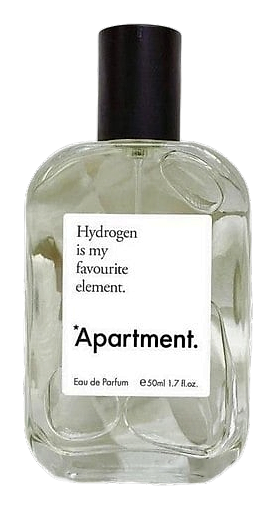
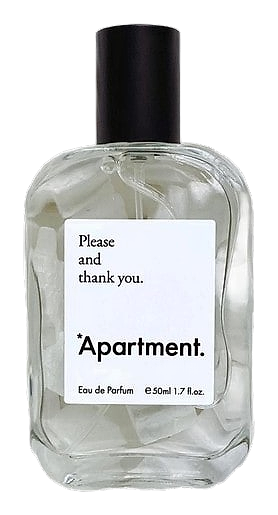
Apartment Perfumes was founded by Leigh-Anne Drakes, who established the brand to explore fragrance through an unconventional lens. Drakes identified a gap in the niche perfumery landscape and set out to create scents that challenged established norms around how perfumes are structured and composed. The brand emerged as part of a broader movement of independent perfumers who have rejected the commercial fragrance industry in favour of more experimental, personal approaches to scent creation. Beyond her work with Apartment Perfumes, Drakes has contributed to niche fragrance culture more broadly, including an interview with Wanted in which she discussed the brand's ethos and creative origins. While the specific year of the brand's founding remains to be independently verified through primary sources, the brand's first releases appeared in 2020, establishing a distinctive visual and olfactory identity from the outset. Apartment Perfumes has built its reputation through a small, considered collection rather than high volume output, speaking primarily through its fragrances and a direct relationship with its audience. Apartment Perfumes operates from the conviction that fragrance does not have to follow predetermined rules. The brand questions the assumption that every perfume needs a prominent heart note, a classic sillage trajectory, or a recognisable genre classification. Instead, the philosophy centres on treating scent as an architectural project, one that can be designed with intentional lines and deliberate choices rather than inherited templates. The brand describes its fragrances as built without a traditional centre focus, embracing linear form while acknowledging that linear does not mean flat. Each scent is understood as layered in development even as it moves in a single direction rather than radiating outward in conventional stages. The approach extends to questions of gender and wearability. Apartment Perfumes has described its work as unisex, positioning scent as a personal choice rather than a branded category. This stance places the brand within a tradition of niche perfumery that treats androgyny not as a marketing compromise but as a genuine creative principle. The brand does not appear to chase trends or respond to seasonal cycles in its development, preferring to release scents as the work warrants rather than according to commercial calendars.