Heritage
A house, in its own words
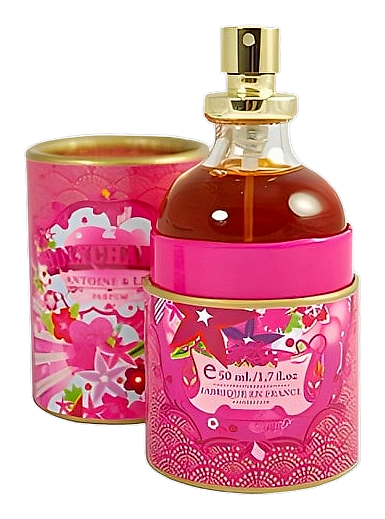
Precise details about the founding of Antoine & Lili remain sparse in available public sources, making a definitive chronology difficult to establish. What is known is that the brand emerged during the 2000s, a period when independent perfumers were increasingly establishing niche houses outside the traditional luxury conglomerates. The house takes its name from two individuals, though their identities and backgrounds are not extensively documented in mainstream fragrance journalism or industry databases. Holy Champa, released in 2006, represents one of the earliest documented fragrance releases from the house, aligning with the broader niche perfume movement that gained momentum in the mid-2000s. The brand appears to operate primarily within European fragrance circles, though specific retail presence or distribution details are not well-documented in public sources. Historical connections to other perfume houses or established fragrance families have not been established through available research, suggesting Antoine & Lili functions as an independent creative enterprise. The philosophy behind Antoine & Lili centers on the belief that fragrance serves as a vessel for memory, emotion, and storytelling. Rather than chasing market trends or seasonal collections, the house appears to create scents based on personal inspiration and lived experience. This approach positions each fragrance as an intentional artistic statement rather than a commercial product designed for mass appeal. The brand name itself suggests a collaborative or personal dynamic, possibly representing a partnership between two creative individuals whose combined perspectives shape the olfactory identity of each release. The reference to Holy Champa indicates an interest in cultural and spiritual aromatics, with champa flowers holding significance in Asian traditions where they are used in temples and ceremonies. This suggests the house draws from global olfactory traditions rather than limiting itself to Western perfumery conventions. The house seems to value authenticity over accessibility, creating fragrances that may challenge conventional preferences but reward attentive wearers with complexity and depth.