Heritage
A house, in its own words
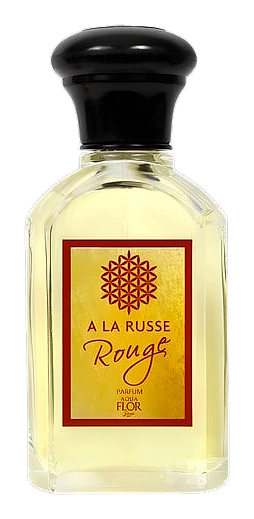
Russian perfumery developed distinctly during the 19th and early 20th centuries, building on centuries of earlier perfume presence in the region. Historical documentation shows that by the mid-1800s, Moscow had established itself as a center for perfume production, with figures like Henri Brocard documented as producing perfumes, soaps, and powders in the city starting in 1864. This period coincided with broader European fragrance industry growth, particularly in France, where houses like Guerlain (founded 1828) and L.T. Piver (operating since 1774) were defining modern perfumery. The exchange between Russian and French fragrance traditions during this era appears significant, with 'A La Russe' referencing this cross-cultural heritage. The name itself suggests a deliberate invocation of Russian aesthetic traditions, possibly referencing the opulent style associated with Imperial Russian court culture. Without access to verified founding documentation for this specific house, any claims about its origins remain speculative. The 2014 release of Rouge represents the most concrete timeline anchor currently available in documented sources. A La Russe appears to embrace a philosophy rooted in historical Russian fragrance traditions, though detailed documentation of the brand's stated creative vision remains limited in publicly available sources. The name choice suggests an intention to evoke the spirit of Russian olfactory culture, potentially drawing on the romantic associations between French perfumery and Russian aristocracy during the Imperial era. The sparse information available makes it difficult to determine specific guiding principles or stated values. What can be observed is that the house has chosen to release fragrance work under a name that immediately situates it within a specific cultural and historical context. This naming strategy implies a reverence for tradition and an intention to reference rather than invent, positioning the brand as a custodian of historical fragrance sensibilities rather than a innovator in contemporary style.