Trung Vu
Trung Vu didn't come up through the traditional route. He spent a decade working in luxury retail and cosmetics, learning the industry from the inside before deciding to create something entirely his own. Today, operating under the name Troy, he runs Grimoire Parfums from Australia, where every bottle emerges from small-batch, handcrafted production. The name Grimoire itself hints at his approach: part mystery, part instruction manual, a personal reference guide to scent. He's appeared on Olfactive Melbourne to discuss his process, sharing the perspective of someone who built expertise through immersion rather than formal training. His community connection runs strong through social media, where he engages directly with fragrance enthusiasts under @troyperfumes. For Trung Vu, perfumery isn't about credentials. It's about showing up, experimenting, and trusting your nose to lead you somewhere worth going.
The hits
Notable creations
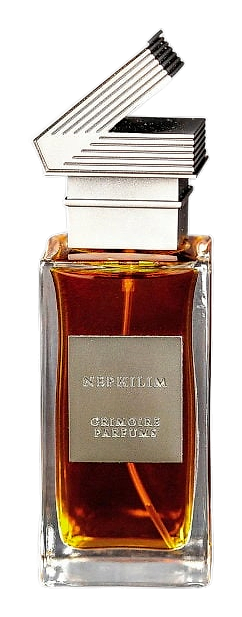
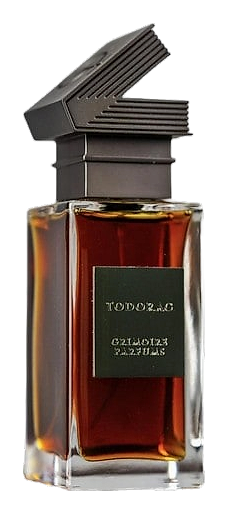
The signature
How Trung composes
Trung Vu gravitates toward atmospheric compositions that pull the wearer somewhere unexpected. His work favors depth over accessibility, building scents that reveal themselves slowly and reward attention. The handcrafted approach means each creation receives the kind of individual focus that mass production cannot replicate. He favors quality raw materials and isn't afraid to push accords into darker, more complex territory. His style resists easy categorization. Some creations lean atmospheric and moody. Others explore unexpected juxtapositions that shouldn't work but do. The Australian independent scene has given him room to experiment without the pressures that come with commercial fragrance houses. That freedom shows in the work. Each fragrance from Grimoire Parfums carries the mark of someone who considers scent a form of personal expression first.
Philosophy
What drives Trung
For Trung Vu, fragrance is about creating moments of transgression, of stepping into spaces you shouldn't occupy but are drawn to anyway. His philosophy centers on emotional provocation, on building scents that carry a narrative weight. He approaches each creation as a story waiting to be worn. Rather than chasing trends, he focuses on compositions that feel necessary, that answer a creative question only he could ask. The small-batch model isn't a marketing angle for him. It's the only way he knows how to work, keeping the craft intimate and the quality consistent. His conversation with Et Al revealed an artist deeply aware of what he brings to the table: a self-taught perspective unburdened by convention, free to explore directions that formal training might discourage.
The houses
Maisons Trung composes for
In the same league