Sultan Pasha Attars
Sultan Pasha did not set out to become a perfumer. Trained in chemistry at a London university, he spent his early adulthood surrounded by vintage bottles rather than raw materials. The collecting habit came first. The career came later. In 2012, Pasha completed his degree and began experimenting with perfume ingredients in his spare time. Within months, he had created Shadee, his first attar. Word spread quietly at first, then faster. By 2013, he was composing full-time. By 2014, demand for his work had grown too substantial to ignore. Pasha never returned to the day job. He runs Sultan Pasha Attars from London, drawing on roots that stretch between Bangladesh and the UK. His output remains deliberately small, each fragrance arriving only when he deems it ready. The chemistry background never left him. It surfaces in his meticulous approach to raw materials, his understanding of molecular interaction, and a precision that separates his work from purely intuitive perfumery. Pasha operates outside the mainstream fragrance industry entirely, building his reputation through a small, devoted following who seek out his attars for their uncompromising naturalism. He is, in the best sense, a craftsman who built his own path.
The hits
Notable creations
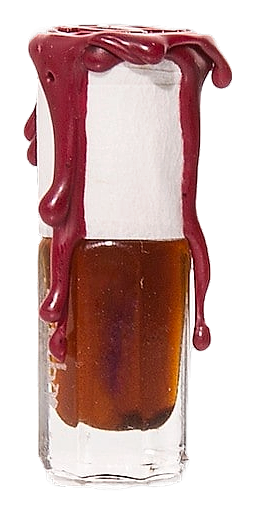
The signature
How Sultan composes
Rose and oud represent Pasha's most celebrated territory. Critics and collectors consistently name him among the finest working in this tradition, with Turath, a Romanian rose and oud combination, cited as a particular achievement. His style favors density and directness. Attars, by their nature, concentrate rather than diffuse. Pasha works within that intensity willingly, building scents around a small number of high-quality natural materials. A typical composition might include fewer than twenty ingredients, each present for a reason. The effect is not simplicity but clarity. Every note has space to register. His work lacks the layered complexity of modern perfume construction, offering instead something more immediate and, some would argue, more honest. He gravitates toward warm, resinous, floral materials. He avoids synthetic compounds almost entirely. The overall impression is of scent stripped to its essentials, presented at full strength.
Philosophy
What drives Sultan
Pasha treats fragrance as a form of communication. He speaks of creating "olfactive poetry," and the description fits. His compositions aim to say something specific, to evoke particular states rather than merely smell pleasant. He works with a small team and accepts no shortcuts on materials. If a note does not meet his standard, he waits or he substitutes, but he does not compromise. This insistence shapes everything else. It limits his output and extends development time considerably, but it also explains why collectors who discover his work tend to remain loyal. Pasha seems genuinely uninterested in marketability. He creates what compels him and releases it when he considers it complete. That independence, rare in an industry driven by commercial calendars, defines both his philosophy and his appeal.
The houses
Maisons Sultan composes for
In the same league