Robert Romanille
Robert Romanille represents the quieter side of perfumery: a nose who has built a career on precision, patience, and a deep respect for raw materials rather than industry fame. While details about his formal training remain sparse, Romanille's path reflects the traditional apprenticeship model still valued in French fragrance houses. He emerged in an era when perfumers often spent years assisting senior noses before composing independently. Romanille chose discretion over celebrity, building a body of work that speaks through the compositions themselves rather than through marketing narratives. His early years in the industry coincided with a shift toward more naturalistic approaches, and he positioned himself accordingly. Colleagues who have encountered his work describe a perfumer of technical rigor who approaches each new brief as an opportunity for quiet invention. Romanille has largely avoided the spotlight that now accompanies modern fragrance creation, a deliberate choice that has allowed his olfactory sensibility to develop without external pressure. He remains an intriguing figure: a skilled artisan whose contributions continue to unfold away from the industry's brightest stages.
The hits
Notable creations
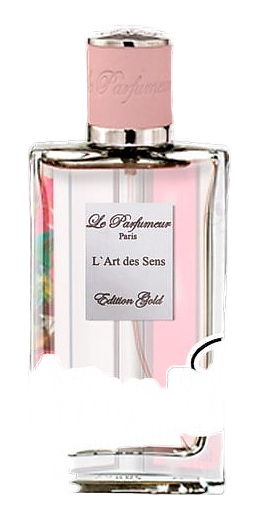
The signature
How Robert composes
Romanille's signature leans toward woody and aromatic compositions, with particular fluency in cedar, vetiver, and labdanum. He favors materials that reveal themselves gradually, often building his foundations around natural absolutes rather than synthetic reconstructions. His work tends toward muted color palettes in the vial, translating to scents that reward patience rather than immediate projection. Those familiar with his output note a preference for transparent constructions: compositions where individual materials remain distinguishable even within complex wholes. He has demonstrated range beyond any single genre, but his strongest statements arrive in the form of quiet chypres and understated orientals. Romanille shows particular skill with aromatics like rosemary and sage, using them as structural elements rather than decorative ones. His approach to citrus is equally distinctive: bright but never sharp, integrated rather than prominent. Where many contemporary noses chase sillage, Romanille seems to prioritize intimacy, creating fragrances that exist primarily for their wearer.
Philosophy
What drives Robert
Romanille approaches fragrance as a conversation between nature and craft. He believes that every material carries its own history, and part of the perfumer's role is to listen before intervening. His creative process begins with sourcing, a stage he considers foundational rather than preparatory. Rather than arriving at a composition with a predetermined outcome, Romanille allows materials to guide him, building accords slowly and removing rather than adding. This reductive philosophy sets him apart in an industry often driven by complexity and novelty. He has spoken rarely in public, but those who have worked with him describe a man who values restraint over excess, duration over initial impact. The question he returns to, sources suggest, is simple: what should this fragrance feel like ten years from now? That long view shapes everything from his choice of fixatives to his approach to bottle design. For Romanille, a fragrance that speaks loudly but fades quickly has failed its purpose.
The houses