Máté Benicsák
Máté Benicsák represents a new generation of perfumers emerging from Central Europe's rich creative landscape. While publicly documented information remains limited, the name carries the distinct cadence of Hungarian origin, suggesting a background shaped by the region's unique olfactory heritage and craftsmanship traditions. Little has emerged publicly about his formal training or early career milestones, though those who follow emerging fragrance talents recognize the significance of a new Hungarian voice entering the perfumery conversation. The path from curious beginner to professional 'nose' typically demands years of sensory education and mentorship under established houses, and Benicsák's trajectory, whatever form it takes, reflects the quiet determination required to succeed in an industry traditionally dominated by French houses and Italian families. For now, his story exists largely unwritten, a blank page that suggests both mystery and potential.
The hits
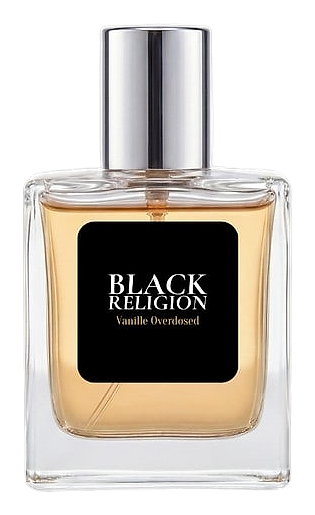
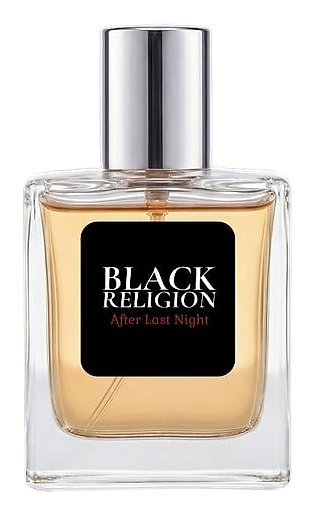
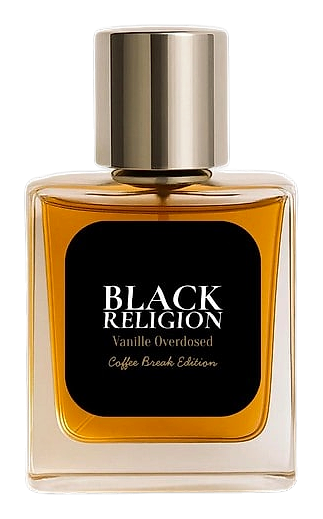
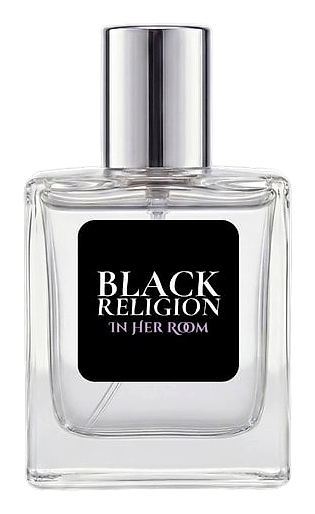
Notable creations
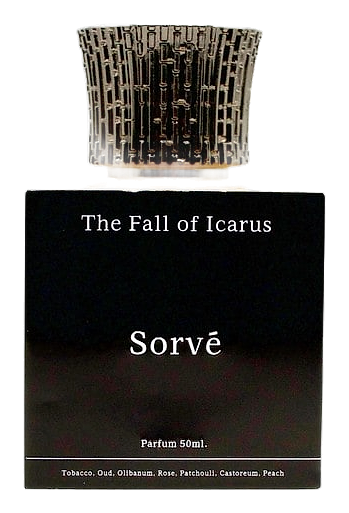
The signature
How Máté composes
Style cannot be assessed without reference to completed fragrances. Máté Benicsák has not yet contributed publicly catalogued works to the fragrance landscape, leaving his aesthetic preferences, preferred raw materials, and compositional habits matters of speculation rather than analysis. The perfume world waits to discover whether his eventual output will trend toward architectural minimalism, romantic warmth, or experimental boldness.
Philosophy
What drives Máté
Without public statements or interviews to draw from, any assessment of Benicsák's creative philosophy remains speculative. For emerging perfumers, the tendency often leans toward establishing a recognizable signature while remaining flexible enough to serve diverse briefs. A Central European perspective might reasonably inform a philosophy rooted in restraint, precision, and an appreciation for natural materials over synthetic excess, though such generalizations must remain tentative until concrete evidence emerges.
The houses