Jessica Hannah
Jessica Hannah grew up in the heat of a Missouri summer, the daughter of a minister. That upbringing—discipline, devotion, a certain kind of ritualized attention—threads through her work today. She trained as an interdisciplinary artist, working in fiber and performance before discovering that scent was simply another language she already spoke. She founded J. Hannah Co. in San Francisco, where she creates small-batch, hand-bottled fragrances that operate like wearable experience. As an educator, she teaches natural perfume workshops throughout the United States, approaching scent as something any curious person can learn to understand and make. Her work has earned industry recognition, though she seems more interested in the students she teaches than the awards on her shelf. She brings the same rigor and sensory intelligence to perfume that she once brought to the stage and the loom.
The hits
Notable creations
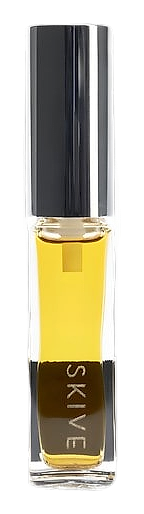

The signature
How Jessica composes
Jessica Hannah works almost entirely with natural materials, building fragrances from botanical essences divided thoughtfully into top, middle, and base architecture. Her approach is methodical and artistic at once—she treats each formula like a composition, considering how individual notes will move and interact over time. Small-batch production means she maintains strict control over quality and can adjust as materials respond to seasons and sources. Her style resists the performative intensity common in commercial fragrance. Instead, her work tends toward subtlety and evolution, fragrances that reveal themselves gradually and respond to the wearer's skin chemistry. Her fiber and performance backgrounds show in the sculptural quality of her constructions.
Philosophy
What drives Jessica
For Jessica Hannah, perfume is experience made tangible. She does not separate scent from sensation, from the body, from memory. Her background in performance art taught her that the audience member is not passive—they complete the work through their own presence and perception. Her fragrances function the same way. She builds compositions that invite the wearer into a conversation, not a monologue. Her teaching practice reinforces this: she demystifies perfumery, insisting that anyone can learn to understand smell and create with it. She works exclusively with natural materials because she believes the complexity of living essences produces something chemistry alone cannot replicate.
The houses