Irina Adam
Irina Adam entered the world in Bucharest, Romania, a city where bustling markets and quiet parks sit side by side. As a child she roamed the streets with eyes closed, memorizing the scent of rain‑slick cobblestones and fresh‑baked pastries. Summers carried her to the Transylvanian highlands, where pine, wild thyme and alpine air taught her that fragrance lives in the landscape itself. By her teens she was already crushing wildflowers in kitchen jars, coaxing their essence into simple tinctures. A self‑taught experimenter, Irina later refined her craft under the mentorship of Mandy Aftel, whose focus on natural materials resonated with her own curiosity. In 2015 she launched Phoenix Botanicals, a studio that blends perfumery, photography and multimedia storytelling. The brand quickly attracted collaborators seeking authentic, hand‑crafted scents. Her first public credit arrived in 2017, when she contributed to the perfume Absolue D'Osmanthe for Perris Monte Carlo, confirming her place among contemporary natural perfumers. Today Irina teaches workshops, curates scent‑focused exhibitions, and continues to translate the moods of Romanian hills and urban gardens into bottled aromas.
The hits
Notable creations
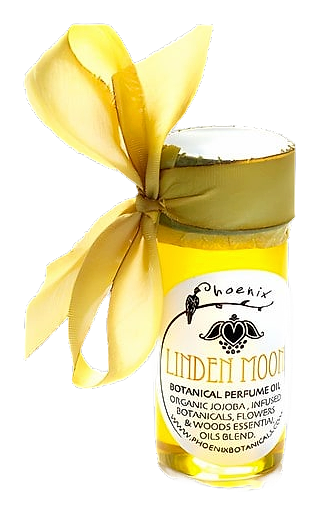
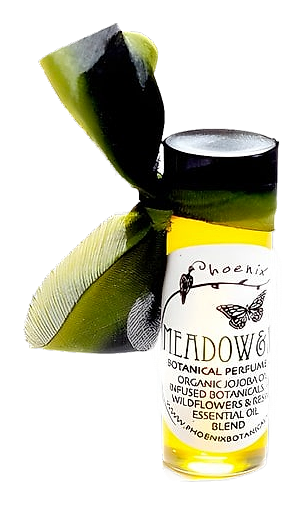
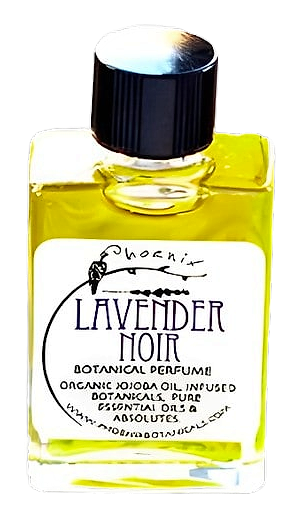
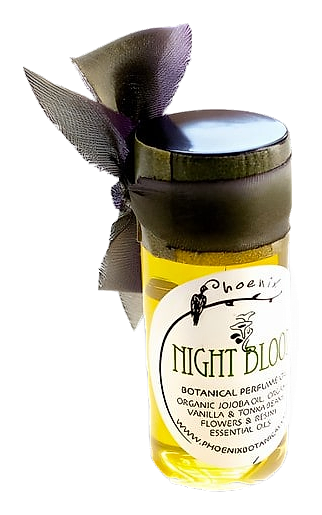
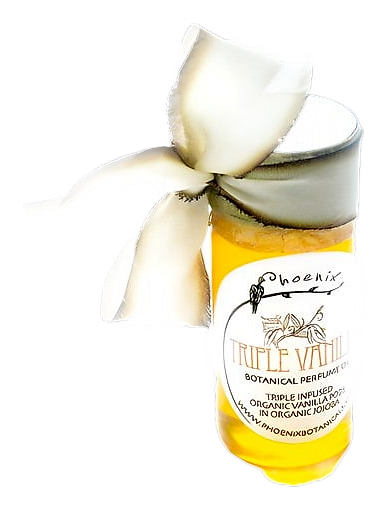

The signature
How Irina composes
Irina favors wildcrafting over cultivated farms, seeking herbs and blossoms that grow untamed in Romanian meadows. She crushes fresh petals by hand, then lets them steep in carrier oils or neutral alcohols for weeks, extracting volatile notes without heat. Her palettes lean heavily on Romanian lavender, meadow sage, wild rose, and mountain pine, complemented by occasional exotic accents sourced responsibly. She avoids synthetic fixatives, preferring natural resins like labdanum or frankincense to extend longevity. Layering is deliberate: a bright top note of crushed violet gives way to a heart of herbal sage, anchored by a woody base of pine needle and ambergris‑free musk. The result feels tactile, like a field you can walk through.
Philosophy
What drives Irina
Irina believes that a perfume should echo the place that birthed it. She treats each botanical as a character, listening to its subtle shifts across seasons before deciding how to honor it. Her work begins with field collection, followed by patient extraction—often a cold‑pressed tincture or a slow maceration—so the final composition retains the raw material’s original texture. Education fuels her practice; she shares techniques with students, insisting that understanding a flower’s chemistry deepens the emotional impact of the scent. For Irina, perfume is a quiet conversation between nature and the wearer, a reminder that beauty persists in the smallest details.
The houses