Hubert Maes
Hubert Maes spent his formative years surrounded by the aromatic world his family built in northern France, developing an intimacy with fragrance that would later define his life's work. For decades, he operated as a perfumery merchant alongside his wife Geneviève, learning the intricate language of materials, accords, and the subtle art of composition through daily practice. The turn came in 2007, when Maes made the decisive shift from trade to creation, establishing his independent atelier in Lille. He began signing his own name to compositions, embracing the singular freedom that comes with working outside the constraints of larger commercial houses. The move represented not a departure from tradition but a deepening of it, informed by years of observation, conversation, and careful study of what makes a fragrance truly resonate. Today, Maes continues his work as an independent nose, building fragrances that answer only to his own sensibilities.
The hits
Notable creations
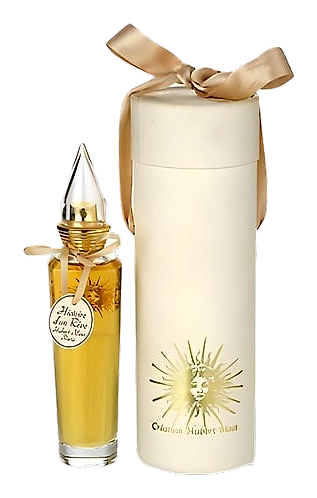
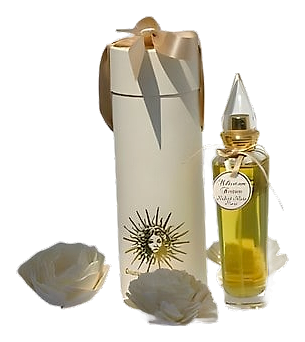
The signature
How Hubert composes
Maes draws on decades of sensory education acquired during his years in the perfume trade, favoring classical materials and time-tested combinations. His approach tends toward composition that reveal their structure slowly, rewarding attention rather than announcing themselves immediately. He gravitates toward natural materials with genuine character, selecting each component for what it contributes to the whole rather than for surface effect. The resulting fragrances tend toward warmth, depth, and a certain old-world elegance that reflects both his northern French roots and his deep respect for perfumery's heritage.
Philosophy
What drives Hubert
Maes operates without deference to fashion's shifting demands. He creates what moves him, when it moves him, without regard for seasonal collections or market cycles. This stubborn independence shapes every aspect of his practice, from the materials he selects to the time he allows for a composition to reveal itself. He has spoken of fragrance as something that must feel inevitable, where each element arrives not by formula but by instinct and accumulated experience. For Maes, the measure of a fragrance is not its commercial potential but its ability to exist as something singular, something that could only have come from one person's vision.
The houses
Maisons Hubert composes for
In the same league