Frédéric Haldimann
Frédéric Haldimann emerged on the European fragrance scene in the early 2000s, turning a modest workshop in Germany into a label that now houses more than twenty scents. He released his first perfume, a women-focused composition titled Frederic No 1, in 2004; the bottle’s clean lines and the scent’s blend of green vetiver and bright citrus caught the attention of niche collectors. Over the next decade he expanded the catalogue, introducing woody-tuberose pieces such as Frederic, which pairs black currant and mandarin with a heart of jasmine and rose. Interviews suggest he trained under traditional Swiss perfumery houses before launching his own brand, and he credits a childhood spent between Paris and the Normandy countryside for his love of contrast—urban polish and rural freshness. Critics note his ability to sustain a fragrance on skin for eight hours, a trait that helped the line survive the rise of mass-market releases. Today his name appears alongside other independent creators who value craftsmanship over hype.
The hits
Notable creations
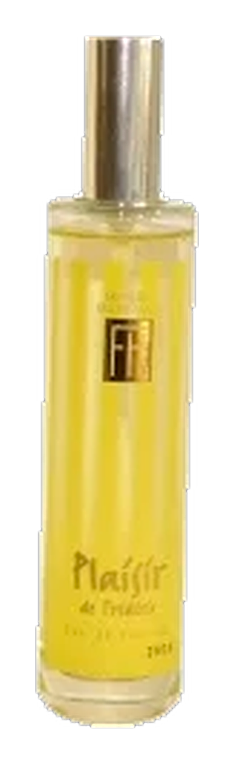
The signature
How Frédéric composes
Frédéric Haldimann favors a minimalist architecture in his blends. He frequently starts with a green or woody base, such as vetiver, cedar, or oakmoss, and layers bright fruit or floral accents that appear only in the opening. His signature technique involves a slow dry-down, where the initial citrus fades into a warm heart of jasmine, rose, or tuberose before settling into a lingering earthy trail. He chooses ingredients that age gracefully on skin, allowing the fragrance to reveal new facets over several hours. The result feels both refined and approachable, a hallmark that collectors recognize across his catalogue.
Philosophy
What drives Frédéric
Frédéric Haldimann treats each formula as a conversation between place and memory. He says the scent should remind the wearer of a specific moment—a sunrise over the Seine or a walk through a German forest—without demanding a story. He prefers natural extracts that retain their original character, then balances them with subtle synthetics that extend longevity. The designer often begins with a single note that excites him, then builds outward, letting the composition evolve organically. He believes restraint protects elegance; a perfume that whispers can be more compelling than one that shouts.
The houses