Franck Olivier
Franck Olivier's story begins in Grasse, the Provencal city long celebrated as the capital of perfume. He grew up surrounded by the very materials that would define his career—his family cultivated flowers in the countryside outside town, and he absorbed the language of raw materials before he ever learned to name them. By the mid-1970s, he had entered the industry professionally, and in 1992 he joined Firmenich, one of the world's great fragrance houses. The house recognized his exceptional gifts in 2006 when it named him Master Perfumer, a distinction granted to fewer than ten individuals globally. France honored his contributions to the arts by awarding him the Chevalier des Arts et des Lettres. His work spans decades and continents, yet it remains rooted in that original intimacy with ingredients and their origins.
The hits
Notable creations

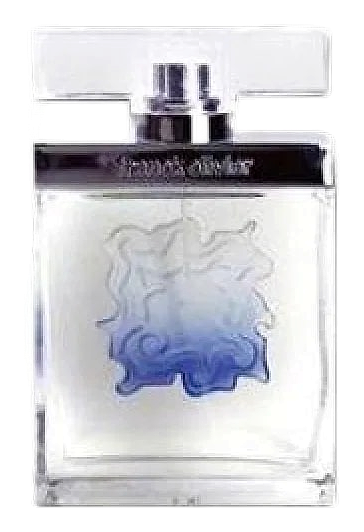

The signature
How Franck composes
Olivier favors a clean, structured approach. His compositions often move from crisp opening notes through more grounded, resonant bases, with careful attention to how the fragrance unfolds over time on skin. He works fluently with both natural and synthetic materials, treating them as equals rather than favoring one category over another. Several of his most recognized works share a tension between brightness and warmth, freshness and sensuality. He builds contrasts deliberately, layering unexpected elements into cohesive wholes. His signatures include a certain crispness in citrus and green accords, and a facility with ambery or woody foundations that provide longevity without heaviness.
Philosophy
What drives Franck
Franck Olivier has spoken often about the relationship between simplicity and complexity in fragrance. He resists the notion that a great perfume must be complicated. Instead, he pursues clarity—the ability to evoke a specific moment, a sensation, an emotion with precision. He cares less about impressing technically than about creating something that feels true. The measure of a fragrance, in his view, is whether it connects, whether it moves someone to remember or dream. He approaches each brief as a conversation between the brand's vision and the materials themselves, seeking the point where intention and execution align without excess.
The houses
Maisons Franck composes for
In the same league