Francesco Perini
Francesco Perini arrived in 1966 in San Giovanni Valdarno, a small town just outside Florence where the Tuscan tradition of craftsmanship runs deep in the earth itself. Rather than pursue perfumery through conventional channels, Perini built his creative vocabulary through visual art and the family enterprise I Vassalletti, which operates as an international benchmark in its field. This background gave him an unusual perspective on creation: one rooted in material, form, and the patience required to make things by hand. His entry into fragrance came later, informed by years of thinking about how objects and spaces communicate before words do. The question became whether scent could function the same way a sculpture or installation might, as a carrier of meaning rather than merely a pleasant气味. He began working with aromatic materials with the rigor of someone approaching a new medium, treating each fragrance as he might a work meant to occupy space and be encountered over time.
The hits
Notable creations
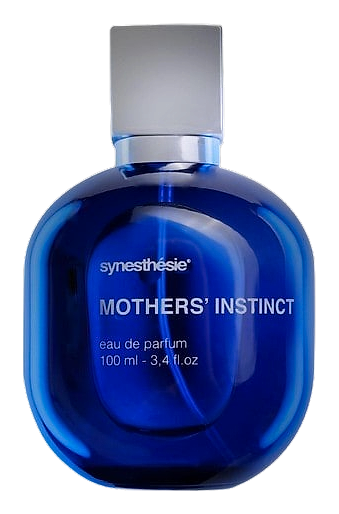
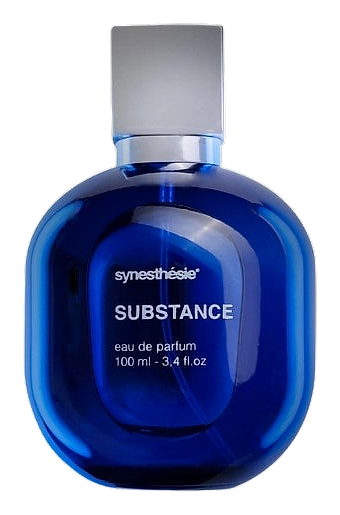
The signature
How Francesco composes
Perini favors natural materials with a strong sense of origin. Tuscan cypress, resinous woods, and aromatic herbs from the surrounding countryside appear frequently in his compositions, though he does not limit himself geographically when a material serves the work. His style leans toward structure and restraint; he builds fragrances around a clear backbone rather than layered complexity for its own sake. Texture matters to him, the way certain materials can feel almost tangible within a composition. There is a sculptural quality to how he constructs a fragrance, with distinct planes and negative space. He tends toward compositions that reveal themselves gradually, changing significantly from opening to drydown.
Philosophy
What drives Francesco
Perini approaches fragrance as he does visual art: slowly, with attention to what a material wants to become rather than forcing it into a predetermined shape. He does not separate the intellectual from the sensory. His process begins with questions about memory, place, and the way certain scents carry entire periods of life within them. He speaks often of invisible stories, suggesting that fragrance operates in the realm of what can be felt but not necessarily articulated. This makes his work contemplative rather than declarative. He prefers to work without rigid briefs, allowing compositions to reveal themselves through extended experimentation with raw materials. The goal is not novelty but clarity.
The houses