Dr. Fernanda Russo
Dr. Fernanda Russo trained as a pharmacist before devoting herself entirely to the art of scent. She holds a doctorate and built her expertise at Antica Erboristeria e Spezieria San Simone, the historic Florence pharmacy her family operates. In the 1990s, she expanded the shop's offerings to include perfume production, applying her scientific rigor to fragrance composition. Russo founded the Italian School of Perfumery, passing her knowledge directly to the next generation of artisan perfumers. She collaborated with poet Elisa Biagini on a collection inspired by four emotions, translating literary themes into liquid form. Russo leads personalized perfume workshops at her Florence atelier, guiding visitors through note selection and balance. Her work bridges the pharmacy tradition of herbal remedies with contemporary artisan perfumery, all rooted in the city where she was born and continues to work.
The hits
Notable creations
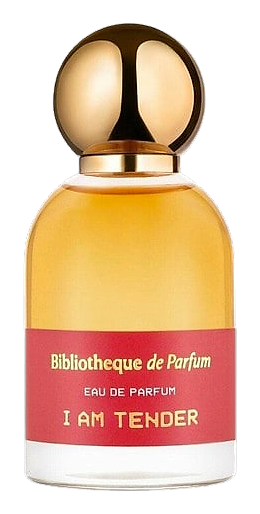
The signature
How Dr. composes
Russo favors natural ingredients, drawing on the herb and flower traditions long cultivated in Tuscan apothecaries. Her compositions tend toward balance and wearability, with careful attention to how notes evolve on skin over time. She emphasizes the educational dimension of perfume creation, helping clients understand why particular combinations work. Her work reflects a pharmacist's precision applied to artistic ends: methodical, ingredient-driven, and grounded in historical precedent. The twelve fragrances attributed to her through San Simone share an understated elegance, favoring nuance over spectacle.
Philosophy
What drives Dr.
Russo believes perfume should emerge from deep botanical knowledge and individual expression rather than market trends. She champions the artisan approach, arguing that fewer trained noses means fewer genuinely original fragrances reach the world. Her creative process draws on literature, emotion, and the sensory history embedded in Florentine craft traditions. She sees perfumery as both a technical discipline and an art form, one that requires ongoing education to sustain. Russo actively works to fill what she sees as a gap in professional training, preparing students to develop their own olfactory identities rather than replicate existing formulas.
The houses