Chris Casale
Chris Casale came to perfumery by an unconventional route. He studied business at the University of Maryland, not chemistry or anything directly connected to fragrance creation. Yet somehow, that detour became a three-decade journey into one of the most sensory-driven industries in the world. He entered the field through Aromatech (now Agilex), where he trained and developed foundational skills that would carry him through the years ahead. From there, he moved to Alpine Aromatics, accumulating experience at each stop. His time at Firmenich, one of the largest fragrance houses globally, exposed him to large-scale commercial perfumery and the discipline required to produce at volume without sacrificing creativity. CPL Aromas USA later brought him on as a perfumer, recognizing the breadth of his background. Beyond major houses, he has worked with smaller operations like Custom Essence and Infinity Fragrances, suggesting someone equally comfortable crafting bespoke work as working within institutional structures. That range—from artisanal boutiques to industry giants—defines his career. He has lived in Maryland for much of his life and now calls Wellington home.
The hits
Notable creations
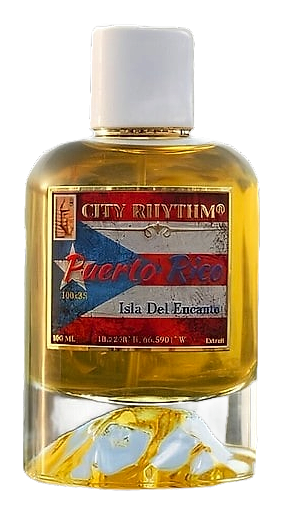
The signature
How Chris composes
His work reflects dual fluency in natural raw materials and synthetic chemistry, a combination that gives him unusual flexibility at the bench. Casale favors compositions with depth and structural complexity, where each layer performs a specific function within the larger architecture. Given his Firmenich background, he has solid technical training in creating commercially viable fragrances, yet his work with smaller houses suggests he can scale that expertise down to more intimate, artisanal contexts. Preferred materials remain speculative without confirmed fragrance data, though his broad industry experience implies familiarity with traditional perfumery materials alongside newer synthetic compounds.
Philosophy
What drives Chris
Casale treats fragrance creation as an exercise in balance between opposing forces: natural and synthetic, classic and contemporary, commercial viability and artistic integrity. He does not seem interested in chasing trends or producing merely serviceable work. Instead, he approaches each brief as an opportunity to understand what a formulation truly needs to accomplish. His dedication to both natural and synthetic materials reflects a pragmatic philosophy that prioritizes results over ideology. He appears driven by craft—getting the formula right, understanding why a particular material behaves as it does, and building compositions that hold together as coherent wholes rather than collections of interesting notes.
The houses