Chloe Bernard
Chloe Bernard arrived at Ravetllat Aromatics with a sensibility shaped by wanderlust and an almost obsessive curiosity about where materials come from. Working as a fine fragrance perfumer at the Barcelona-based house, she brings a refreshing directness to her craft—one rooted in provenance, patience, and a refusal to separate beauty from its origins. Her Instagram introduces her simply: a sourcing addict who finds depth in her work and adventure in her surroundings. That dual impulse—to dig into the供应链 and to chase experience—defines her practice. While Bernard represents a newer generation of perfumers, her approach suggests someone who came to the discipline with intention, drawn not just to the alchemy of blending but to the stories embedded in raw materials. At Ravetllat Aromatics, a house known for its commitment to natural and sustainable sourcing, she has found an environment that matches her values. The trajectory is young but promising, marked by a quiet confidence that suggests she is building something lasting.
The hits
Notable creations
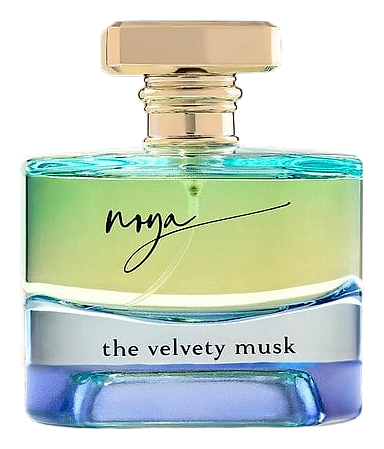
The signature
How Chloe composes
Bernard gravitates toward compositions that reveal their structure slowly. She favors ingredients with story—natural materials whose complexity cannot be replicated synthetically. Her work at Ravetllat Aromatics suggests a preference for fragrances that age well, that change on the skin, that reward attention rather than announce themselves. She has spoken about sourcing as a creative act, meaning her fragrance development often begins not with a concept but with a material: something she found, something that surprised her, something that demanded interpretation. The resulting perfumes tend toward nuance over drama, refinement over volume. She is not interested in fragrances that shout. She is interested in ones that stay.
Philosophy
What drives Chloe
For Bernard, fragrance begins long before the bench. She believes the character of a perfume lives in its ingredients—their geography, their harvest, their handling. Her self-described addiction to sourcing reflects a conviction that perfumers must understand materials not as abstract notes but as living things with histories and limitations. This grounds her creative process in realism rather than fantasy. She builds fragrances from the outside in, starting with what is available, what is honest, what carries weight. The adventure she mentions in her bio is not merely recreational; it is methodological. She travels to find materials, to meet producers, to let the landscape inform the composition. Depth, for Bernard, is not a bonus. It is the entire point.
The houses
Maisons Chloe composes for
In the same league