Alexis Karl
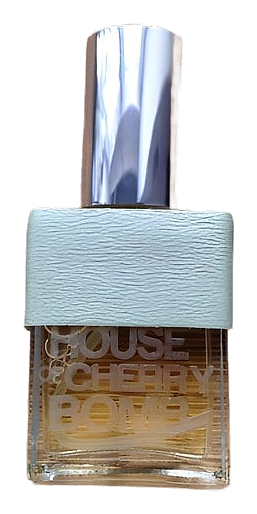
Alexis Karl moves between mediums the way water finds its shape, without ever losing itself. Trained in fine arts and music at Cornell University, then refined through study at the New York Academy of Art, she arrived at perfumery through the back door of filmmaking and sculpture, treating scent as just another material in a much larger artistic practice. She founded Scent By Alexis as an extension of her multimedia studio, creating fragrances that function as narrative objects. Her darker impulses found a home in House of Cherry Bomb, the brand she co-founded, where she pushes into cinematic, provocative territory. Karl's background in dark ambient music and experimental film gives her nose a quality rarely found in perfumery: she thinks in texture and tempo, not just top, heart, and base. Based in New York, she continues to create across disciplines, her perfumes existing as one arm of a much stranger, more personal artistic body of work. She is, by any honest measure, one of the most multifaceted voices in American artisan fragrance today.
The hits
Notable creations



The signature
How Alexis composes
Karl's style resists neat description, though certain threads persist. She favors deep, resinous bases that suggest darkness without becoming heavy. Natural essences dominate her palette, often combined in unexpected ways that reflect her artistic instinct for juxtaposition. Her background in fine arts means she thinks like a painter, considering how notes layer and blend on the skin the way colors interact on canvas. Texture matters enormously to her; she seeks drydowns that feel lived-in and complex rather than polished. The result tends toward the unconventional, the slightly unsettling, always with an underlying elegance that keeps the work from tipping into novelty.
Philosophy
What drives Alexis
Karl approaches fragrance like a filmmaker approaches a script. She starts with a feeling she wants to generate in the wearer, then builds backward toward materials. 'I'm doing the real job of a perfumer with a great amount of freedom,' she has said, and that freedom shows in work that refuses easy categorization. She does not separate perfumery from her other practices; instead, scent becomes another way to tell stories that her films and sculptures begin. Her philosophy centers on fragrance as emotional architecture, spaces the wearer moves through rather than simply wears.
The houses
Maisons Alexis composes for
In the same league