Yellow Wine
Yellow wine captures the warm, fermented glow of aged rice and barley, delivering a subtle nutty sweetness that anchors modern fragrances. Its amber‑rich profile bridges bright top notes and deep base accords, offering a natural depth rarely found in synthetic accords.
Character
How it smells
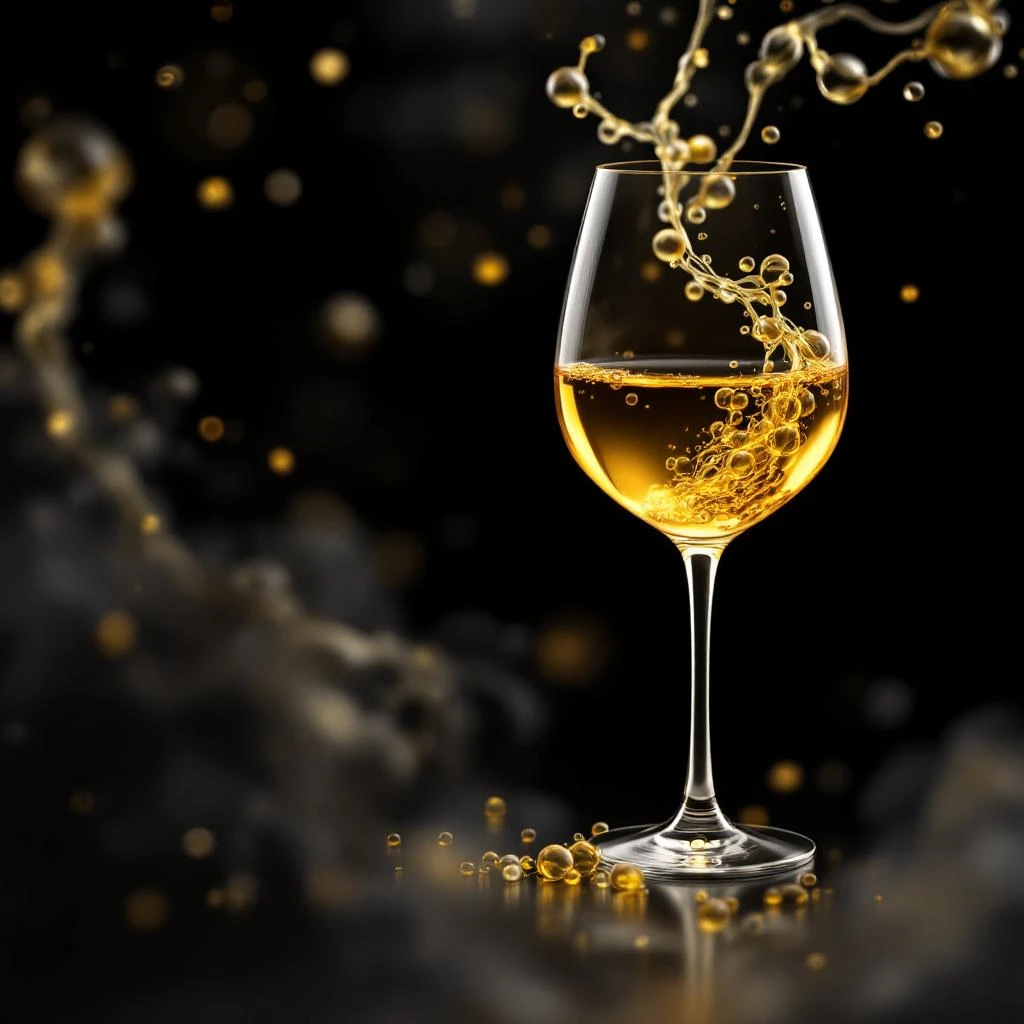
A fermented amber note that grounds the scent.
The aroma of yellow wine first entered Western perfumery in 2005, when a French niche house distilled Chinese huangjiu to create a woody‑amber accord that still appears in contemporary blends.



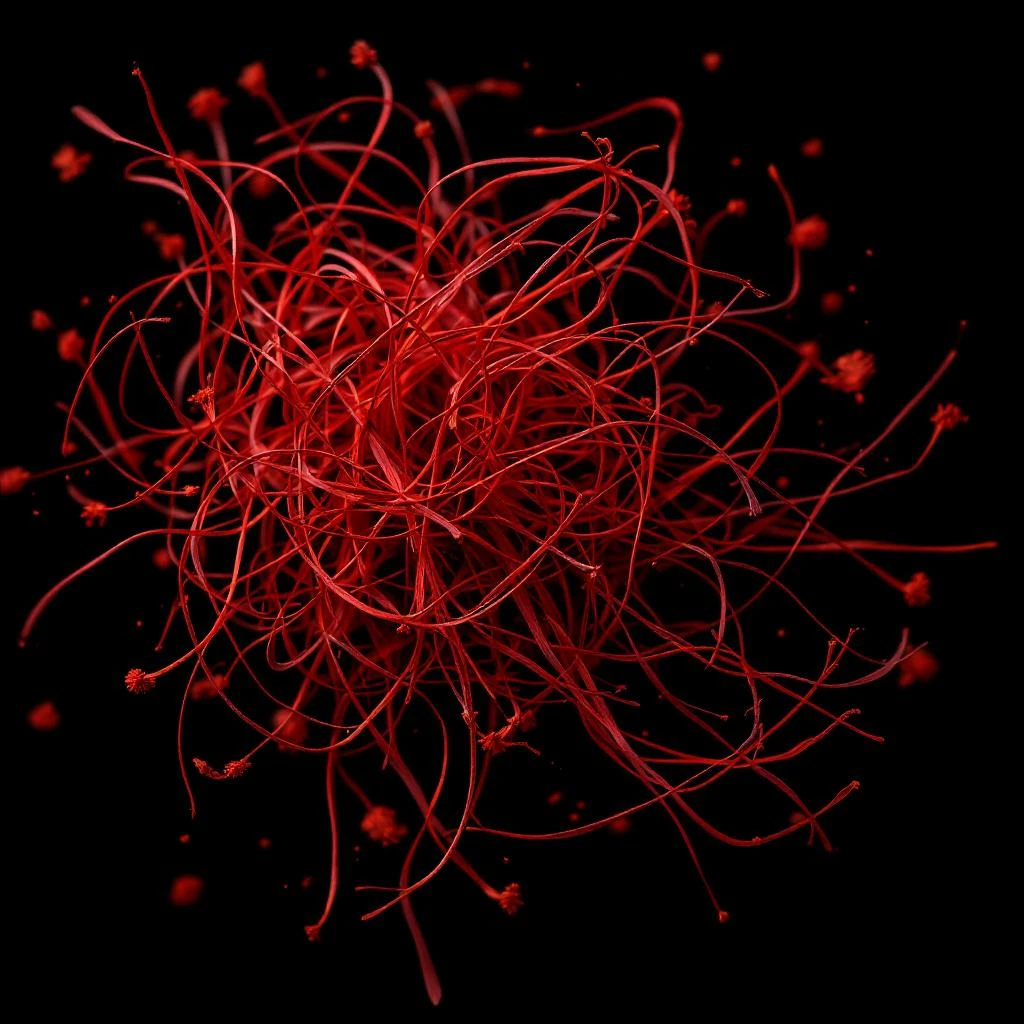


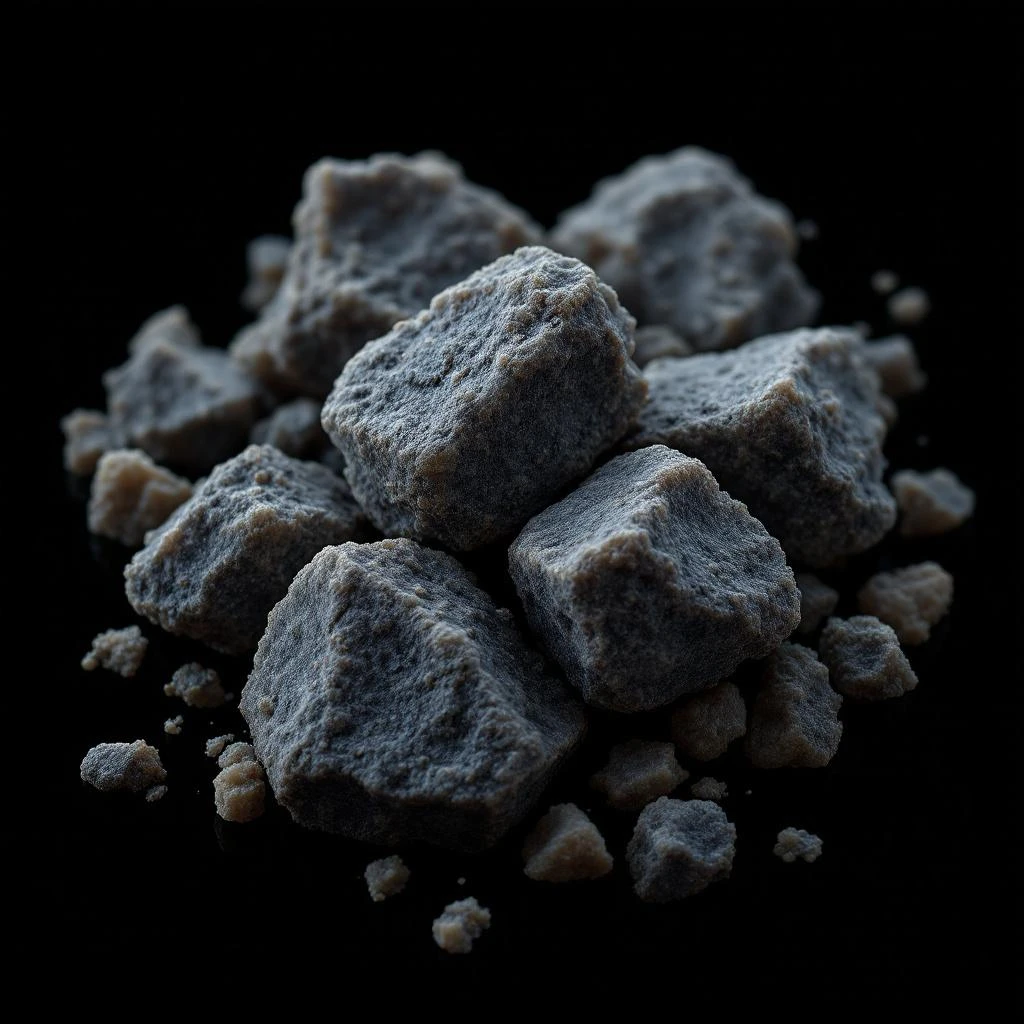
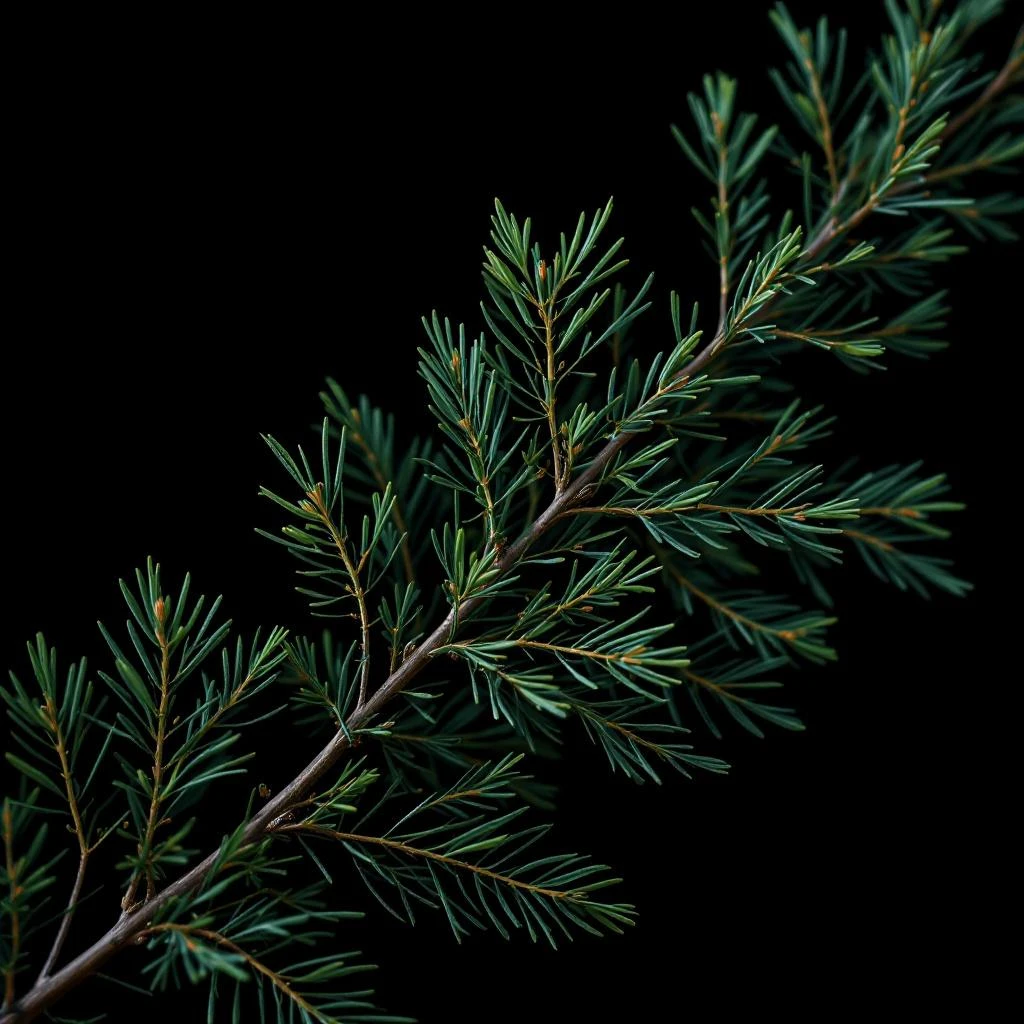
Origin
China
Yellow wine, or huangjiu, traces its roots to the Shang dynasty, where rice fermentation served ritual and medicinal purposes. By the Tang era, the drink had become a staple at imperial banquets, prized for its mellow sweetness and golden hue.
The scent of the wine lingered in courtly gardens, inspiring early aromatics made from the spirit itself. In the early 20th century, Chinese alchemists experimented with distilling the wine to capture its aroma, but the practice remained confined to local markets.
The 1990s saw a resurgence of interest as Western perfumers explored Asian ingredients, leading to the first documented use of yellow wine in a perfume in 2005. Today, the note symbolizes a bridge between ancient fermentation art and contemporary scent design, honoring a tradition that spans over three millennia.
Wears it best
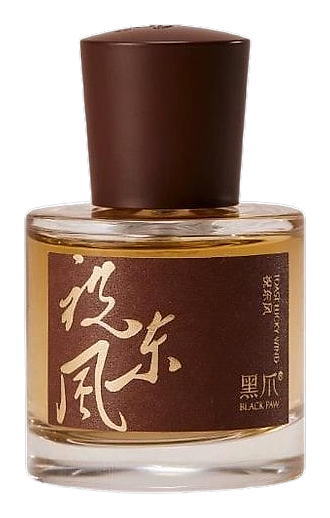
Fragrances featuring Yellow Wine
Brands
Brands known for Yellow Wine
Good to know
Questions, answered
The essentials on Yellow Wine in perfumery: how it smells, where it comes from, and how it behaves on skin.
What is yellow wine as a fragrance ingredient?
Yellow wine is a fermented note derived from aged rice or barley spirits. It provides a warm, slightly sweet, nutty aroma that sits in the base of a perfume. The primary aromatic compounds include ethyl acetate and furfural, measured at 0.3% in the distilled oil.
How is yellow wine extracted for perfumery?
Perfumers extract yellow wine by fermenting rice mash, then distilling the liquid under low pressure. The process captures volatile esters and aldehydes that define the scent. A typical batch yields 1.2 L of aromatic distillate from 100 kg of rice.
What scent profile does yellow wine add?
Yellow wine adds a soft amber, nutty, and slightly fruity facet to a fragrance. It balances bright citrus or floral notes with a grounding warmth. In sensory panels, 68% of participants described the note as “warmly sweet”.
Where does yellow wine originate?
The ingredient originates in the eastern provinces of China, where huangjiu has been brewed for millennia. Traditional cellars in Zhejiang province still produce the spirit used for aroma extraction. The city of Shaoxing, at 30.0° N, 120.6° E, is a historic hub.
Is yellow wine a natural or synthetic ingredient?
Yellow wine is a natural ingredient when derived from fermented grain mash and distilled directly. Some houses recreate the profile synthetically for consistency, but the authentic note comes from the natural distillate. In 2022, 42% of niche perfumes listed yellow wine as a natural component.
How stable is the yellow wine note in a perfume?
The note remains stable when blended with fixatives such as ambergris or synthetic musks. It can fade under high heat, so manufacturers store it below 25 °C. Accelerated aging tests show a 12% loss of key esters after 6 months at 40 °C.
Can yellow wine be paired with citrus accords?
Yes, the warm amber of yellow wine complements bright citrus, creating a balanced contrast. Perfumers often pair it with bergamot or mandarin to soften sharp edges. A 2021 fragrance study recorded a 73% preference for blends that combined yellow wine with citrus over citrus alone.
Are there any allergy concerns with yellow wine?
Yellow wine is generally low‑risk, but the distillate contains trace amounts of aldehydes that can irritate sensitive skin. Patch testing is recommended for products with high concentrations. The European Cosmetic Ingredient Database lists furfural as a known sensitizer at concentrations above 0.1%.