



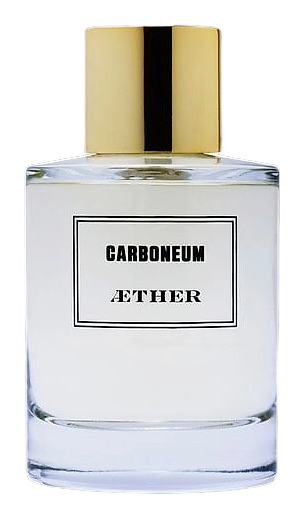
Character
The Story of Woody
Woody notes evoke the quiet strength of forest trunks, delivering a grounded, resinous aroma that anchors a fragrance with depth and subtle heat.
Heritage
Wood has anchored human scent practices for millennia. Archaeologists uncovered cedar resin beads in a 4,000‑year‑old Mesopotamian burial, confirming that ancient peoples burned wood incense to honor deities. In Egypt, sandalwood paste appeared in royal tombs as early as 1500 BCE, prized for its calming aroma. The Phoenicians exported cedar timber and resin across the Mediterranean, where it flavored early Greek perfumes. By the 19th century, chemists isolated santalol from Indian sandalwood, enabling the first commercial export of a pure woody oil. The advent of steam distillation in the 1870s expanded the palette, allowing perfumers to capture the crisp pine of European fir and the smoky depth of African rosewood. Today, woody notes anchor both classic chypre structures and avant‑garde compositions, linking modern scent design to a lineage that stretches from ancient incense altars to contemporary laboratories.
At a Glance
8
Feature this note
India
Primary source region
Ingredient Details
Steam distillation
Dried heartwood and bark
Did You Know
"Sandalwood oil can retain its aromatic profile for up to 10 years when stored in dark glass, making it one of the longest‑lasting natural perfume ingredients."
Pyramid Presence