


    Ingredient Profile

    Woods fragrance note

    Wood notes are foundational to perfumery, providing structure, warmth, and complexity. They anchor fragrances with their rich, deep profiles…More

    Multiple origins including India, Australia, Brazil, United States

    2

    Fragrances

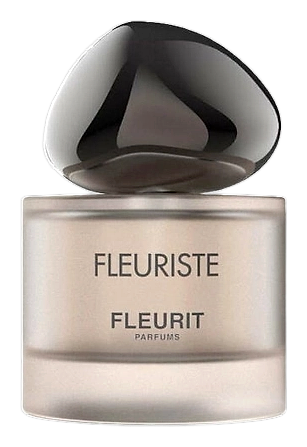
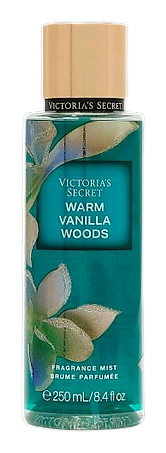
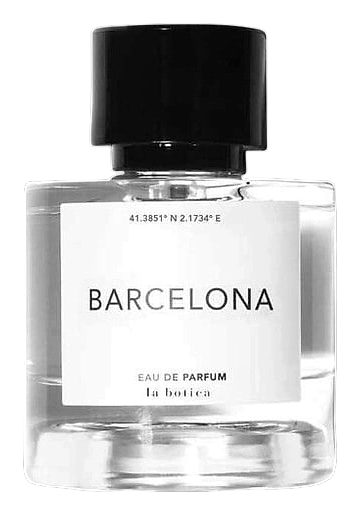
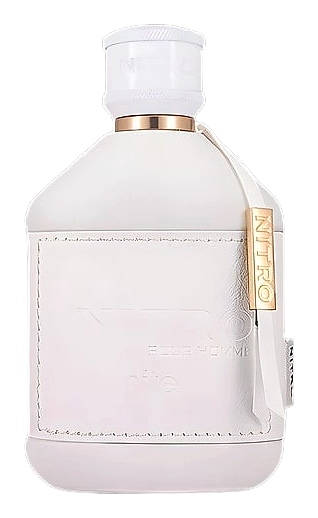
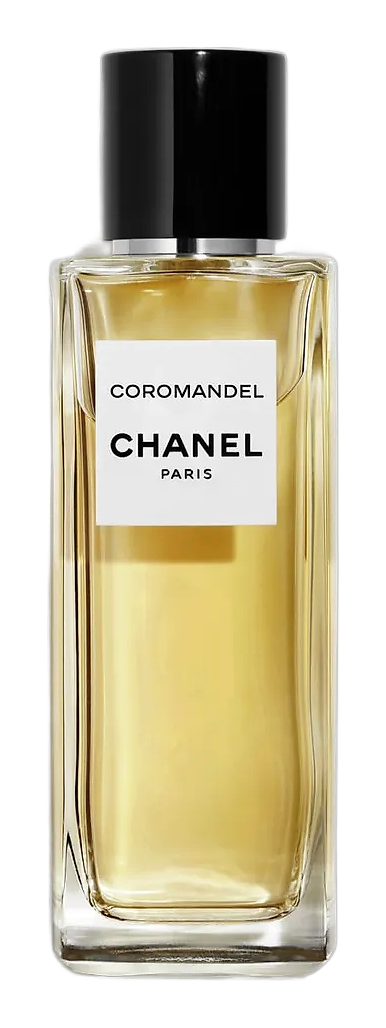
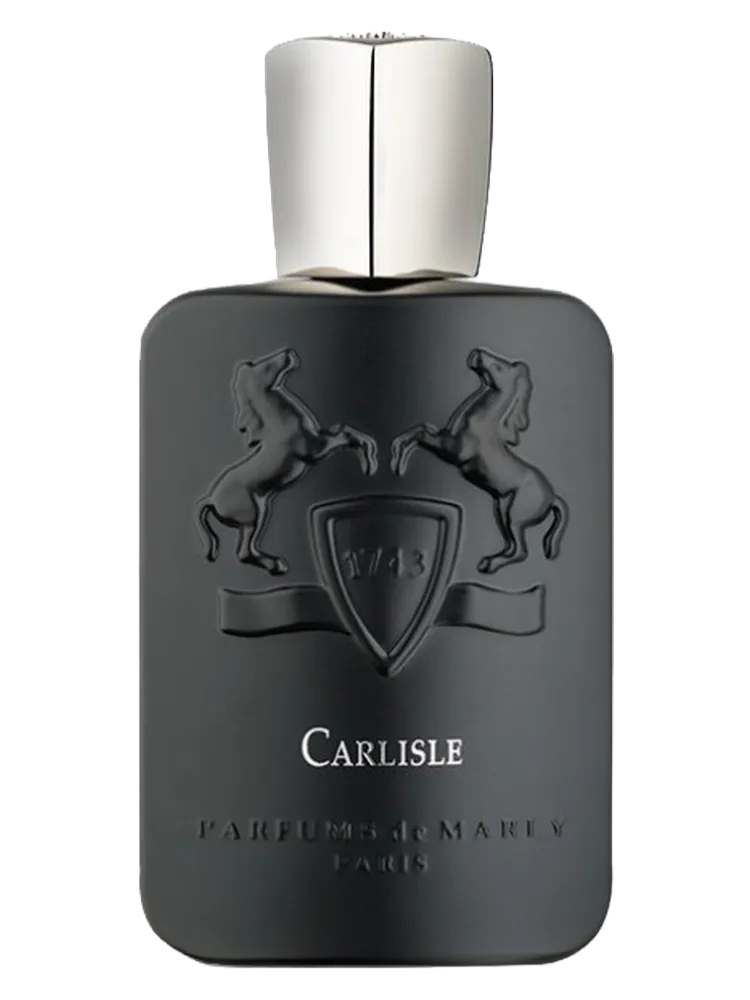
    Fragrances featuring Woods

    Character

    The Story of Woods

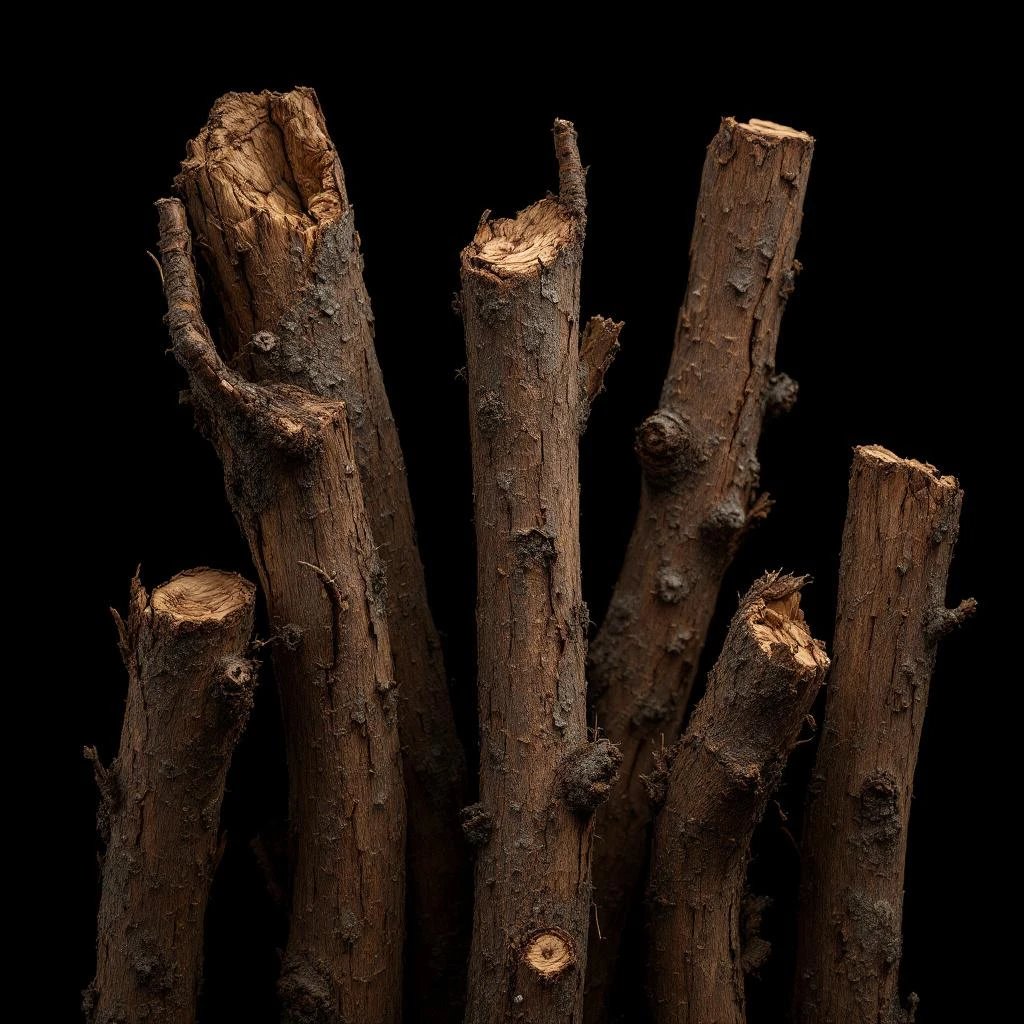
    Wood notes are foundational to perfumery, providing structure, warmth, and complexity. They anchor fragrances with their rich, deep profiles, from creamy sandalwood to smoky oud, creating the lasting base that defines a scent's character.

    Heritage

    Woods have anchored fragrances for millennia, with ancient civilizations recognizing their preservative and aromatic qualities. Indian sandalwood cultivation dates back over 2,500 years, becoming integral to spiritual practices and perfumery traditions. Agarwood, infected by a specific fungus to produce oud, was traded along ancient Silk Road routes between Southeast Asia and the Middle East, valued as highly as gold in some periods.

    The nineteenth century transformed wood in perfumery. Improvements in distillation technology made it practical to extract fragrant oils from wood at scale. Brazilian rosewood became a perfumery staple through trade routes, prized for its warm, subtly floral character. Cedarwood from Virginian and Texan forests supplied American perfumery, while Atlas cedar found favor in European Houses. Each region contributed distinct olfactory characteristics shaped by soil, climate, and species.

    Today, wood notes define countless modern classics. The 1979 launch of Calvin Klein Eternity established sandalwood's role in contemporary fragrance. Le Labo's Santal 33 in 2011 sparked renewed appreciation for woody compositions among younger consumers. Meanwhile, oud has transitioned from traditional Middle Eastern contexts into global niche perfumery, demonstrating how ancient materials continue evolving within modern creative frameworks.

    At a Glance

    Fragrances

    2

    Feature this note

    Origin

    Multiple origins including India, Australia, Brazil, United States

    Primary source region

    Ingredient Details

    Extraction

    Steam distillation, CO2 extraction, Cold pressing

    Used Parts

    Heartwood, chips, shavings, sawdust

    Did You Know

    "Only about 2% of agarwood trees naturally develop the precious resin that becomes oud, making it one of perfumery's rarest ingredients."

    Production

    How Woods Is Made

    The journey of wood essences into perfume begins with extraction. Steam distillation remains the most common method, passing steam through wood material to carry volatile aromatic compounds. As steam condenses, the essential oil separates from the water, capturing the pure essence. CO2 extraction uses supercritical carbon dioxide for delicate woods, preserving full complexity without heat damage. Cold pressing, though less common, works for lighter woods like cypress, yielding aromatic but less intense oils. Each method shapes the final character of the wood note in a fragrance.

    Different woods yield distinctly different olfactory profiles. Sandalwood produces creamy, smooth warmth. Cedar offers dry, pencil-shaving sharpness. Oud delivers intense, complex darkness with animalic depth. Vetiver brings earthy, smoky Grass-like qualities. These profiles guide perfumers in selecting extraction methods that best preserve or enhance each wood's natural character. The chosen technique directly impacts how the wood will function within a fragrance composition.

    Sustainability shapes modern wood sourcing significantly. Traditional sources like Brazilian rosewood face heavy restrictions due to overharvesting. Perfumers increasingly turn to ethically sourced materials, plantation-grown sandalwood from Australia and India, or carefully crafted synthetic alternatives like cashmeran that capture woody warmth without environmental cost. This shift reflects perfumery's commitment to preserving natural resources while maintaining olfactory excellence.

    About Woods