Character
The Story of Woodruff
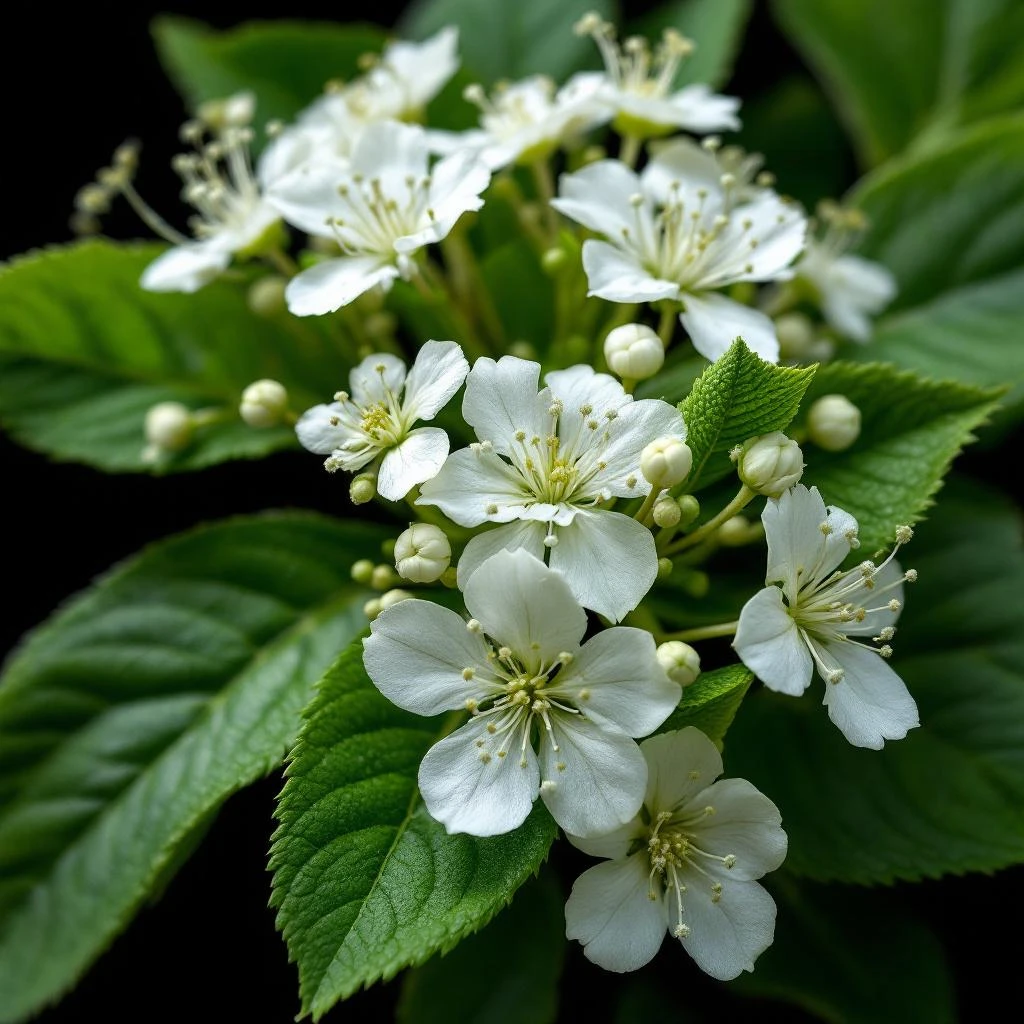
Woodruff (Galium odoratum) offers a delicate, hay-like sweetness with vanilla undertones. This European wildflower carries coumarin, the compound that gives dried woodruff its distinctive warm aroma. Once central to Germanic spring traditions, it remains a quiet landmark in perfumery's botanical palette.
Heritage
Woodruff has accompanied European herbal traditions for centuries. Medieval herbalists prized it for its gentle calming properties and used it extensively in spring tonics and seasonal wines. Germanic communities formalized its role in May Day festivities, gathering the plant on the eve of Saint Walpurgis and steeping it in white wine as a celebratory ritual. The botanical's association with spring renewal and purification gave it ceremonial importance beyond mere flavor. While perfumery adopted coumarin as a key ingredient in the nineteenth century, sourcing it from tonka beans and other plants, woodruff itself remained a quieter presence in fragrance gardens. Its inclusion in compositions signals a return to botanical roots, connecting modern scent-making to older herbal practices that honored seasonal rhythms and local flora.
At a Glance
1
Feature this note
Germany
Primary source region
Ingredient Details
Steam distillation of dried aerial parts
Dried leaves and stems
Did You Know
"Germanic cultures have steeped woodruff in wine since medieval times to celebrate May Day. The tradition continues today with Maibowle, a fragrant herbal punch served each spring."