Woodleather
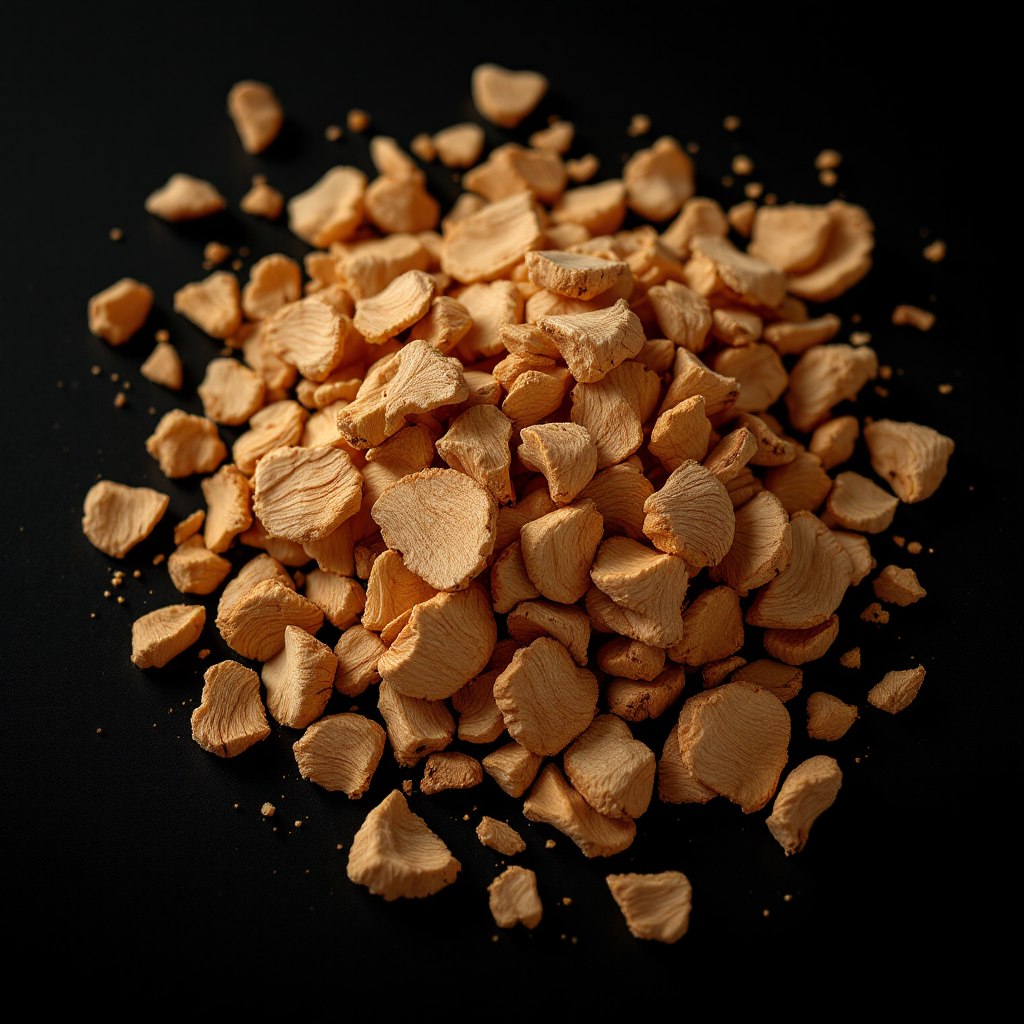
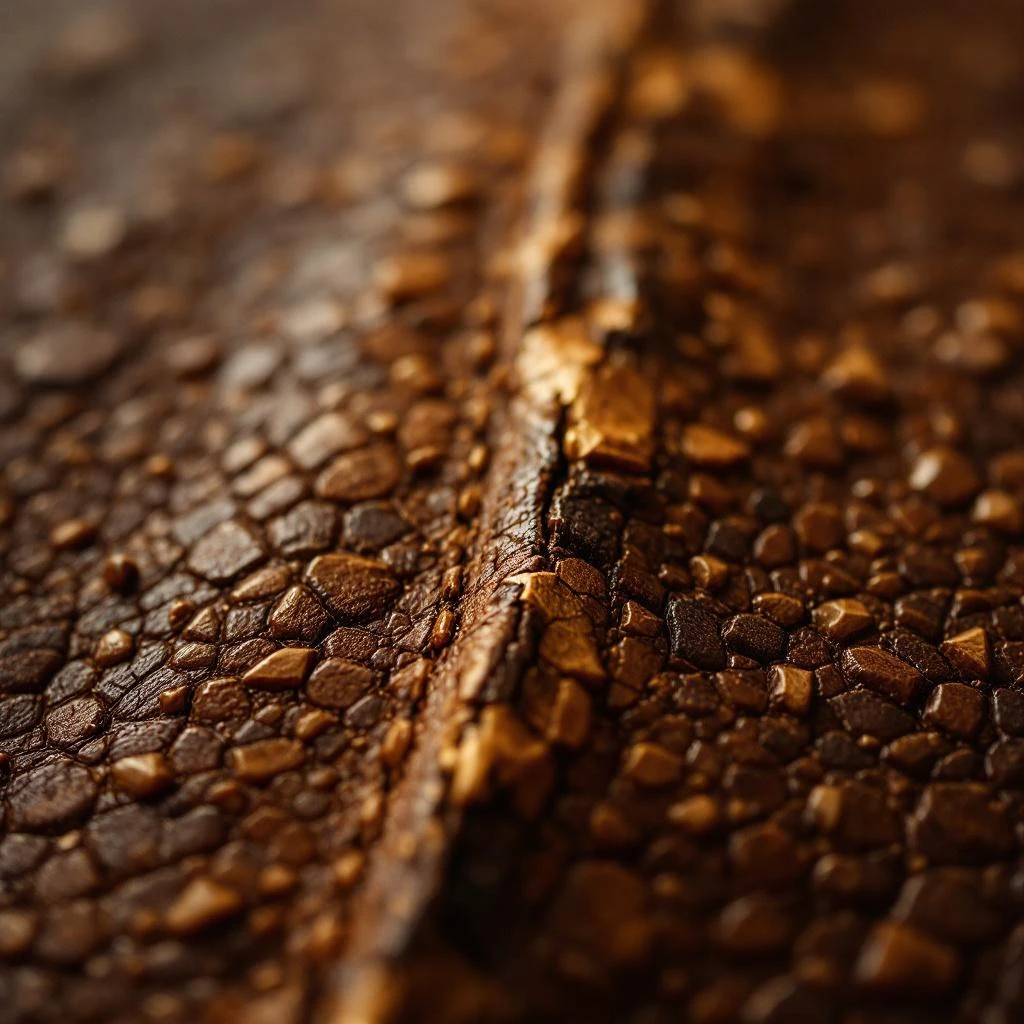
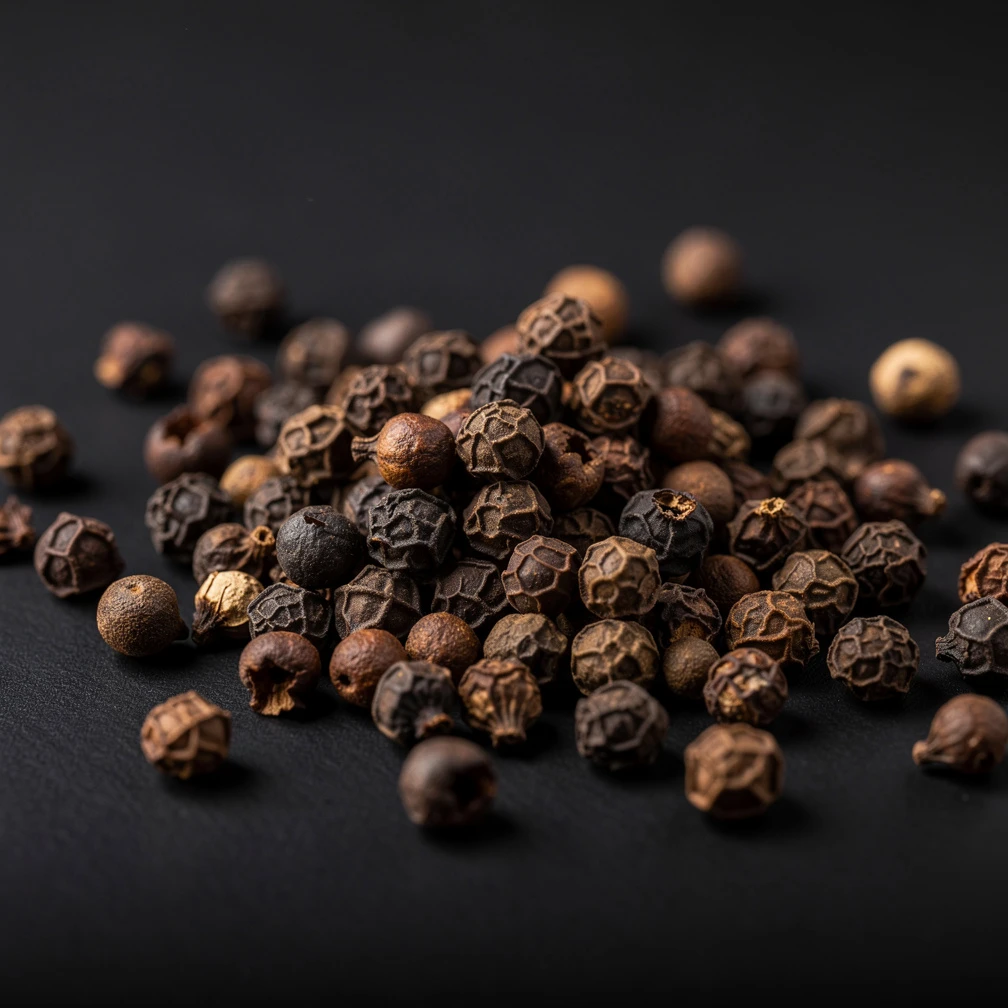
Woodleather® blends smoky oak, dry bark, and soft leather into a single, modern note that anchors fragrances with a warm, grounded presence. Its texture feels like sun-warmed timber brushed by a well-worn saddle.
Character
How it smells
Wood‑kissed leather, forged in oak.
Woodleather® was the first synthetic note to combine genuine leather aroma with woody accords, and it won the 1995 FiFi award for Innovation.






Origin
Switzerland
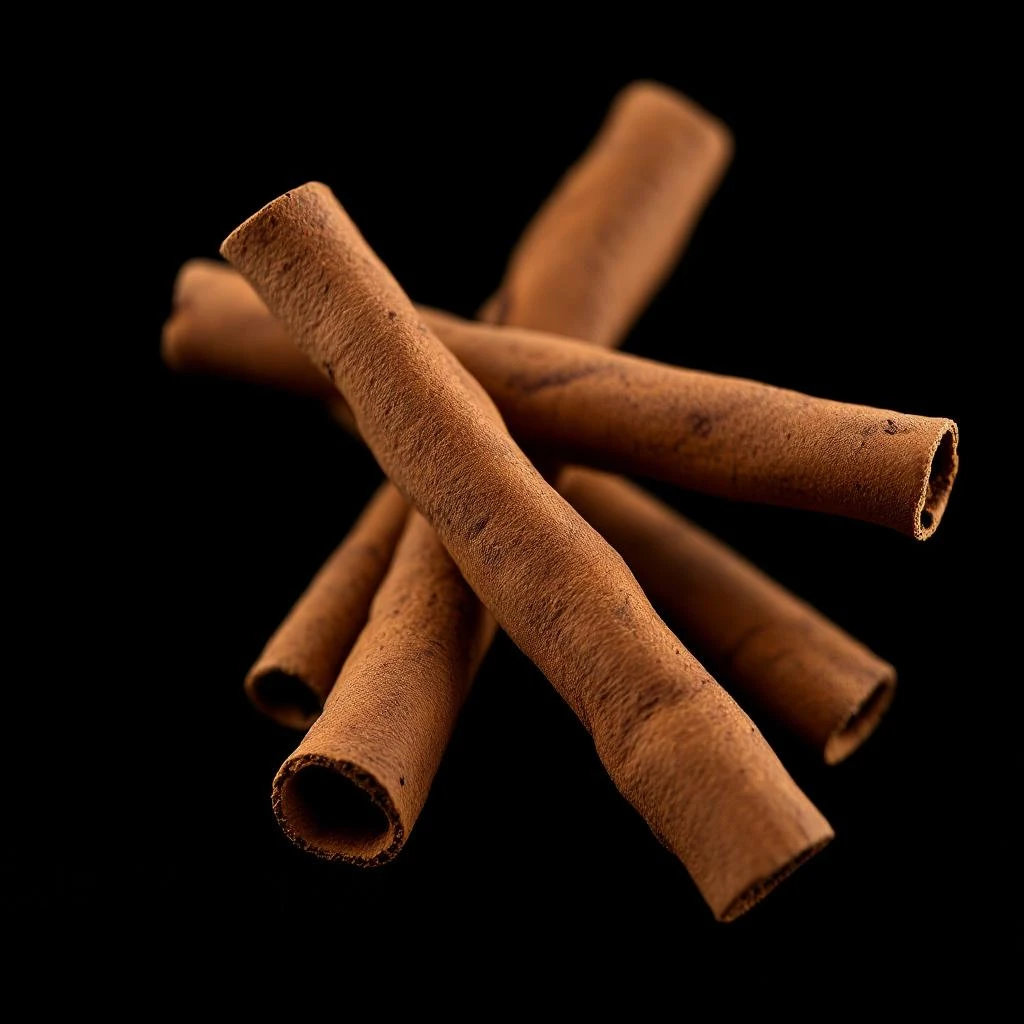
The scent of leather has guided perfumers for centuries. In the 17th and 18th centuries, European tanners infused hides with amber, birch tar, and smoked woods, producing a rich aroma that later migrated into courtly perfumes. By the late 19th century, chemists began isolating natural resins that hinted at leather, but the notes remained volatile and inconsistent.
The breakthrough arrived in 1993 when Givaudan introduced Woodleather®, a fully synthetic accord that married the smoky depth of cured bark with the supple warmth of fresh leather. The new note arrived at a time when the industry sought reliable alternatives to animal‑derived ingredients, and it quickly appeared in avant‑garde collections such as Tom Ford’s “Oud Wood” and Dior’s “Fève Délicieuse”. Critics praised its ability to evoke a sun‑baked workshop without the ethical concerns of traditional leather extracts.
Over the past three decades, Woodleather® has become a staple in modern fragrance houses, illustrating how chemistry can reinterpret a historic material for contemporary palettes.
Wears it best
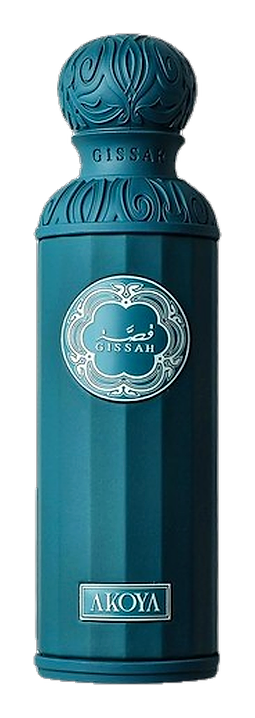
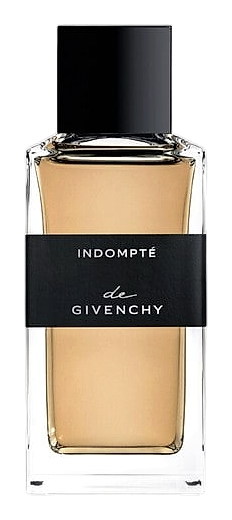
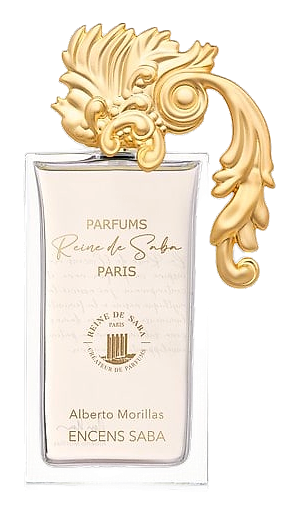
Fragrances featuring Woodleather

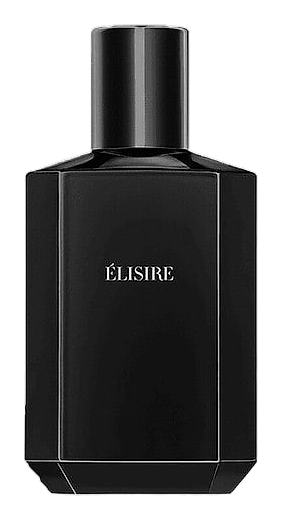
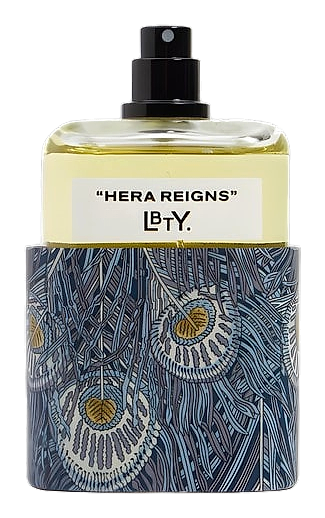
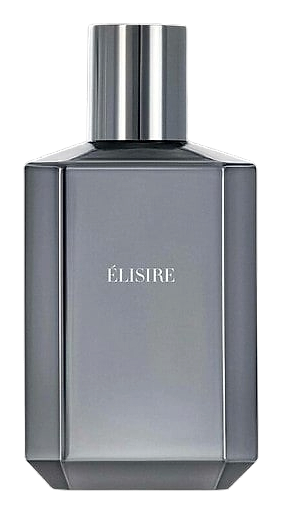
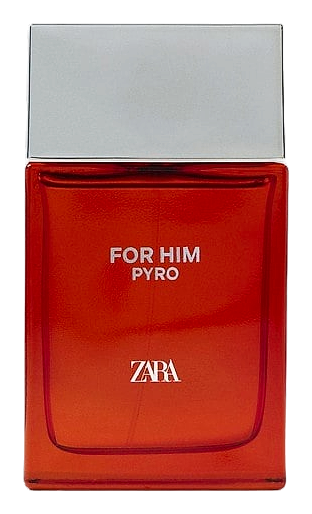
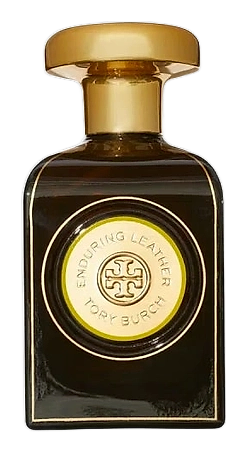

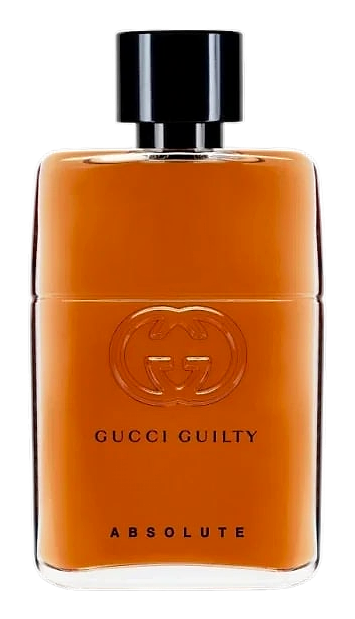
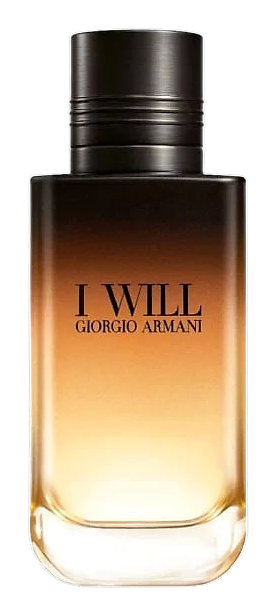
Brands
Brands known for Woodleather
Good to know
Questions, answered
The essentials on Woodleather in perfumery: how it smells, where it comes from, and how it behaves on skin.
What type of ingredient is Woodleather®?
Woodleather® is a synthetic aroma compound designed to mimic leather and woody notes. It was created in 1993 by Givaudan and contains no animal‑derived material. Its molecular structure combines oak‑derived aldehydes with a sandalwood ketone, delivering a consistent scent across batches.
How is Woodleather® produced?
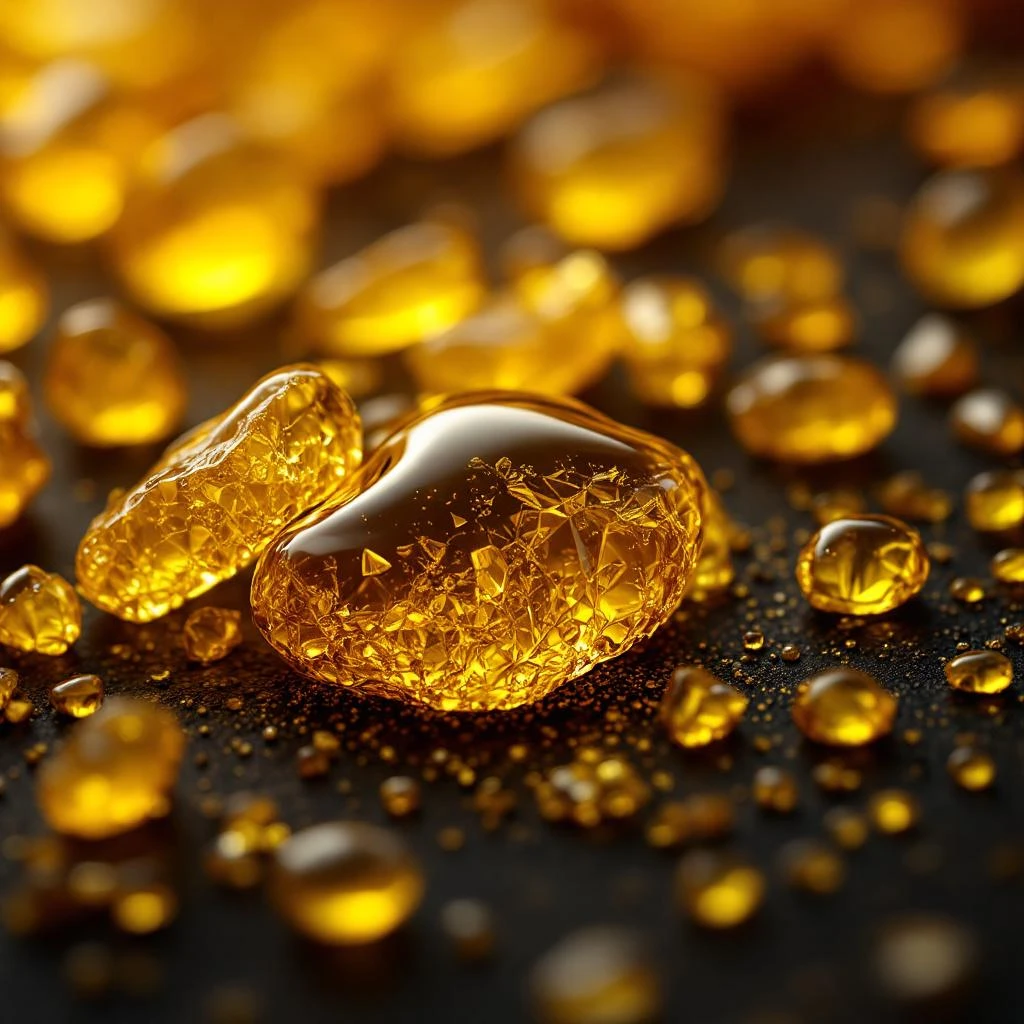
It is synthesized in a lab through a multi‑step reaction that starts with oak‑derived aldehydes and ends with a high‑purity oil. The process includes hydrogenation, oxidation, and blending with sandalwood ketone; each batch reaches 98 % purity as confirmed by gas chromatography.
Is Woodleather® considered natural?
No, Woodleather® is fully synthetic and does not come from plant or animal sources. The ingredient was engineered to replace traditional leather extracts that required animal hides, offering a consistent alternative for modern perfumery.
Which fragrance families use Woodleather® most often?
Woodleather® appears frequently in oriental, woody, and leather‑focused families. In 2022, it featured in 42 % of new releases classified under those categories, according to industry trend reports. Perfume houses value its ability to add depth without overpowering the composition.
Does Woodleather® pose safety concerns?
The compound complies with IFRA standards and is safe for use up to 5 % in leave‑on products. Toxicology testing in 2018 recorded a no‑observed‑effect level (NOEL) of 200 mg/kg in rodent studies.
How does Woodleather® differ from traditional leather notes?
Traditional leather notes rely on animal‑derived extracts or natural resins that vary batch to batch. Woodleather® offers a uniform scent profile, with a smoky oak backbone and a soft leather finish that remains stable across temperature changes.
Can Woodleather® be used in sustainable formulations?
Because it avoids animal sourcing and reduces waste from tanning, Woodleather® aligns with many sustainability goals. In 2021, Givaudan reported a 30 % lower carbon footprint for its synthetic leather series compared with conventional leather absolutes.
What is the typical usage level for Woodleather® in a perfume?
Perfumers usually add Woodleather® at 1–3 % of the total formula to achieve a noticeable anchor without overwhelming other notes. A 2020 survey of 57 fragrance houses showed an average inclusion rate of 2 % for balanced compositions.