
Character
The Story of Williams pear
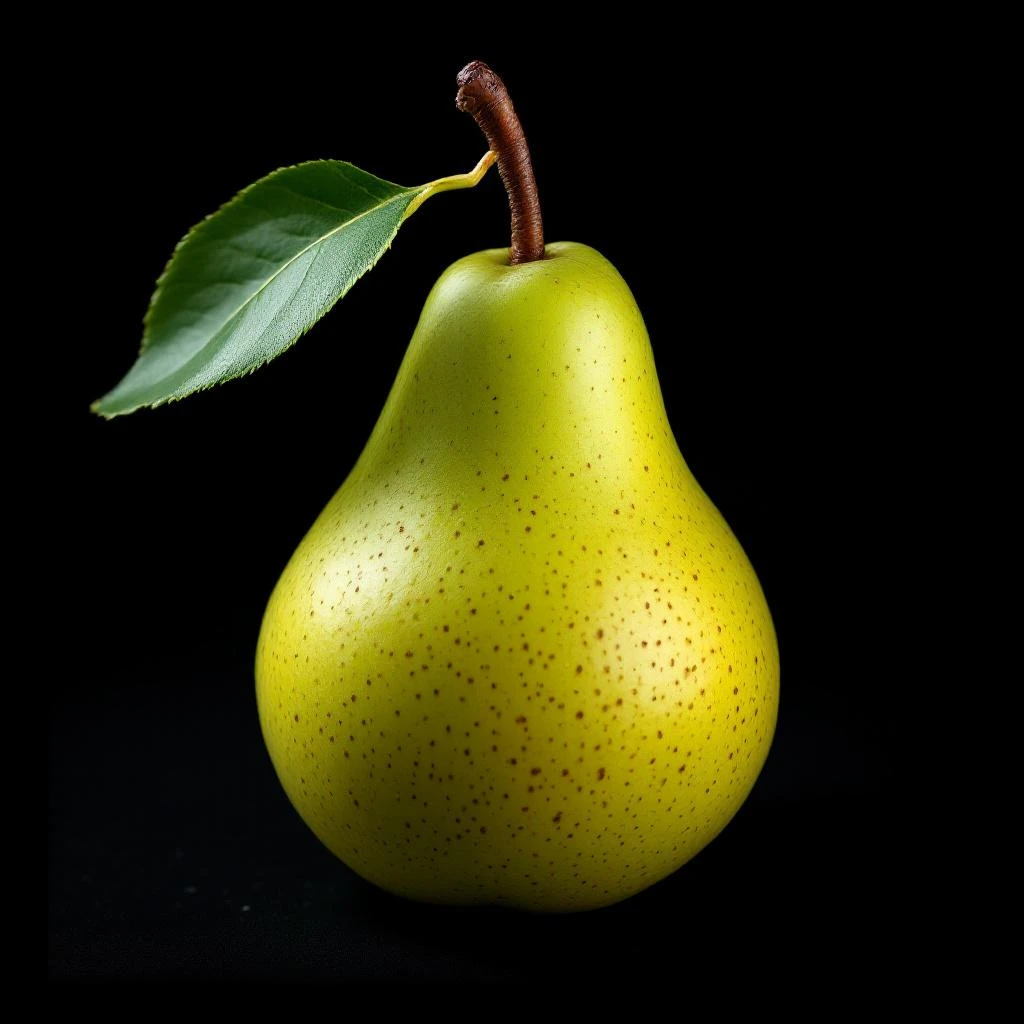
Williams Pear brings a signature sweet, juicy character to fragrances. This beloved pear variety delivers that unmistakable orchard-fresh quality that perfumers rely on for bright, accessible fruit accord.
Heritage
The Williams pear carries a transatlantic origin story. Around 1790, a British nurseryman named Mr. Williams discovered and named this pear variety in England, marking its entry into commercial cultivation. The pear made its journey to North America early in the 19th century, arriving via a schoolteacher named Enoch Bartlett who propagated the variety without knowing its true name. When the actual Williams pear identity was later confirmed through horticultural records, American growers naturally continued using the Bartlett designation. During the European Renaissance, fruit-based perfumes gained popularity among nobility, with pears joining roses and citrus as prized aromatic ingredients. The Williams pear's dense, juicy flesh and sweet flavor profile translated naturally into perfumery applications, where its characteristic ripe fruit note became highly valued. Today, this variety remains one of the most widely cultivated pears globally, providing both the fruit we eat and the inspiration for countless fragrance compositions featuring bright, natural pear accords.
At a Glance
2
Feature this note
United Kingdom
Primary source region
Ingredient Details
Headspace technology (synthetic/nature-identical)
Whole fruit
Did You Know
"One pear variety serves two continents - known as Williams in England and Bartlett in America, named after different importers."