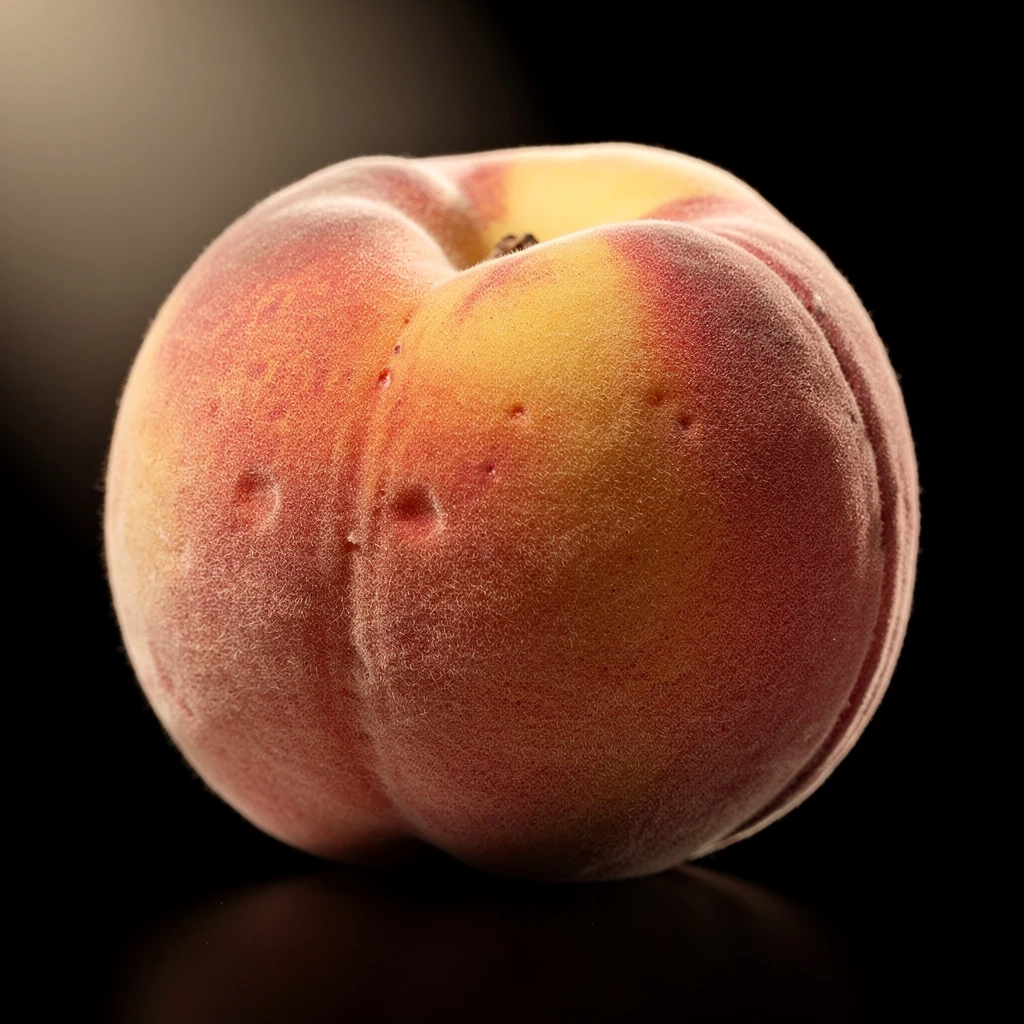
White nectarine
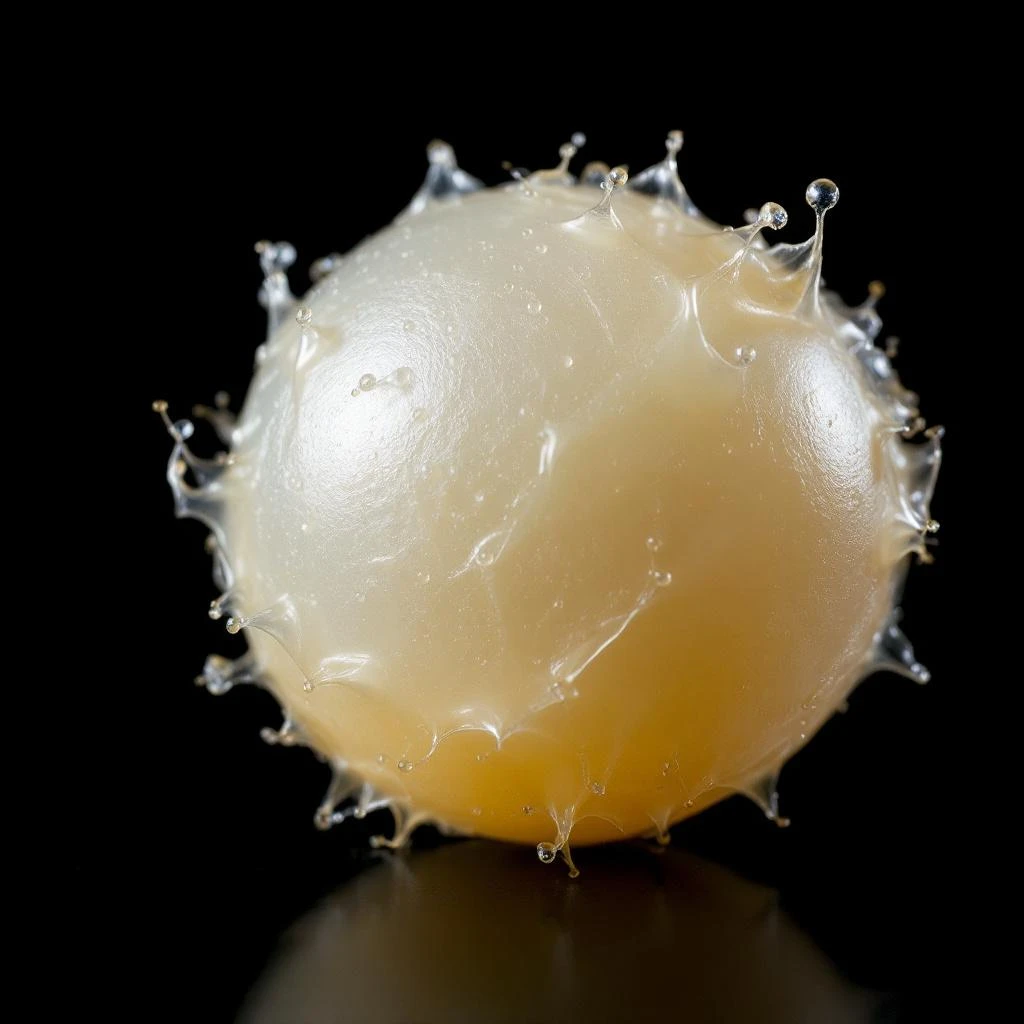
White nectarine offers a crisp, sun‑kissed sweetness that balances juicy fruitiness with a subtle, powdery finish, making it a versatile accent in modern fragrance blends.
Character
How it smells
Sun‑lit sweetness captured in a single note.
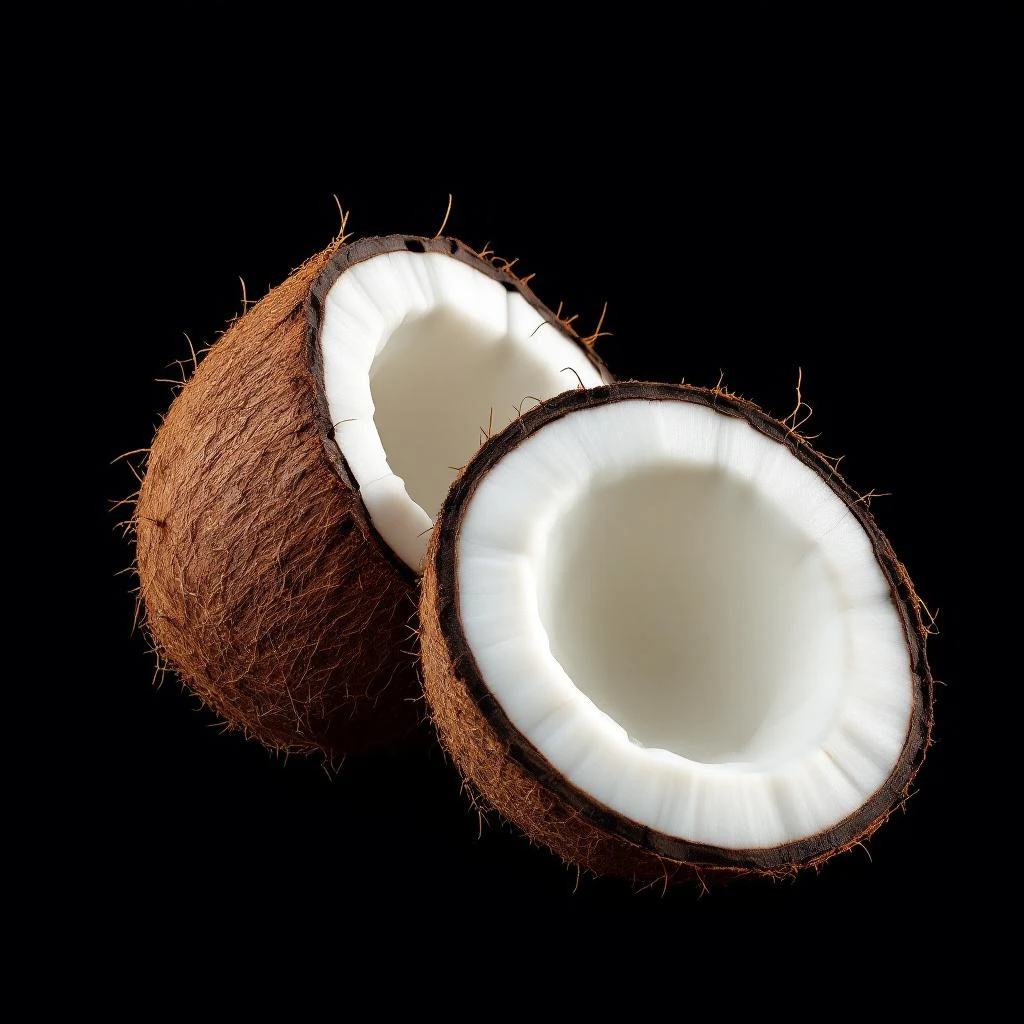
The aroma of white nectarine is reproduced mainly with gamma‑nonalactone, a compound first isolated from coconut oil in 1965, which mimics the fruit’s creamy, peach‑like scent.





Origin
United States
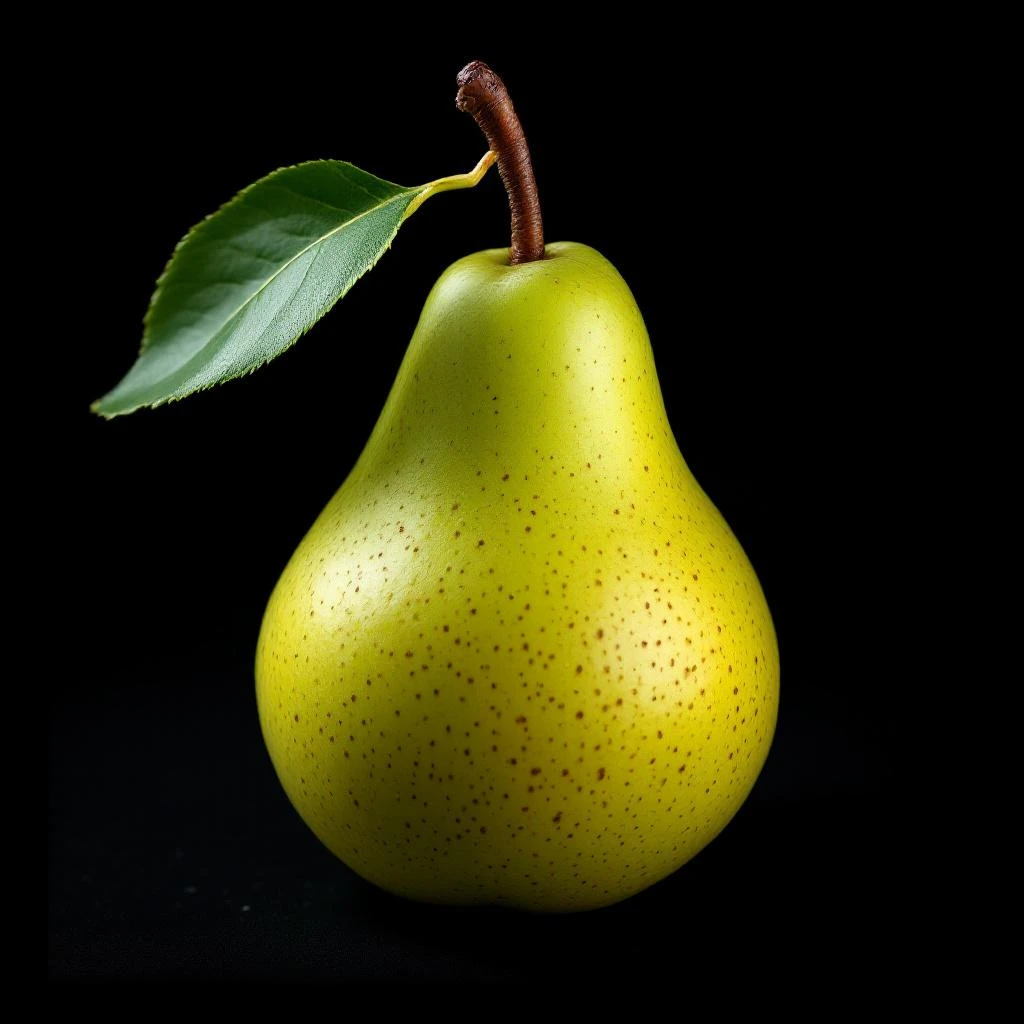
Stone fruits have flavored human culture since antiquity. Greeks and Romans recorded the use of peach and nectarine extracts in scented oils for bathing and temple rites. Medieval Arab alchemists refined distillation techniques that captured faint fruit essences, though the delicate aroma of white nectarine remained elusive due to its low oil content.
The industrial revolution introduced steam distillation and solvent extraction, yet the fruit still yielded only trace amounts. In the late 20th century, advances in organic synthesis allowed chemists to isolate lactone structures that mirror the fruit’s scent profile. The first commercial fragrance to list "white nectarine" as a top note appeared in 1994, marking a turning point where synthetic fruit notes entered mainstream perfumery.
Since then, the note has become a staple in modern compositions, prized for its clean, modern fruit character that bridges classic peach warmth with a contemporary powdery edge.
Wears it best
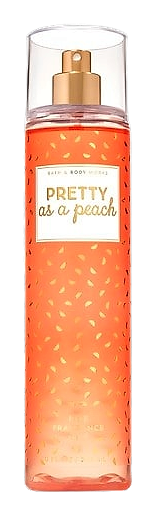
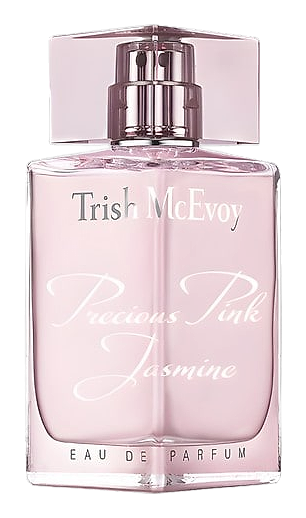
Fragrances featuring White nectarine
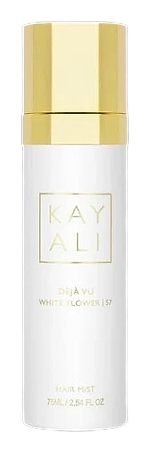
Brands
Brands known for White nectarine
Good to know
Questions, answered
The essentials on White nectarine in perfumery: how it smells, where it comes from, and how it behaves on skin.
What does white nectarine smell like?
White nectarine smells like a bright, honeyed fruit with a clean, slightly powdery edge. It blends the juiciness of ripe peach with a soft, milky undertone, delivering a fresh yet comforting profile. The scent evokes early summer mornings when the fruit glistens with dew, and it retains a subtle crispness that resists cloying sweetness.
Is white nectarine a natural or synthetic ingredient?
White nectarine is primarily a synthetic note. Perfumers recreate its aroma using gamma‑nonalactone and related lactones because natural fruit yields less than 0.01 % oil. The synthetic route supplies consistent quality and concentration for commercial use. This method also reduces waste and allows precise tuning of the fruit’s creamy nuance.
How stable is white nectarine in perfume formulations?
White nectarine remains stable in ethanol‑based perfume bases for up to two years. Its lactone core resists oxidation, but exposure to high heat can accelerate degradation. A stability test in 2021 showed less than 5 % loss of intensity after 18 months at 30 °C.
Which fragrance families pair well with white nectarine?
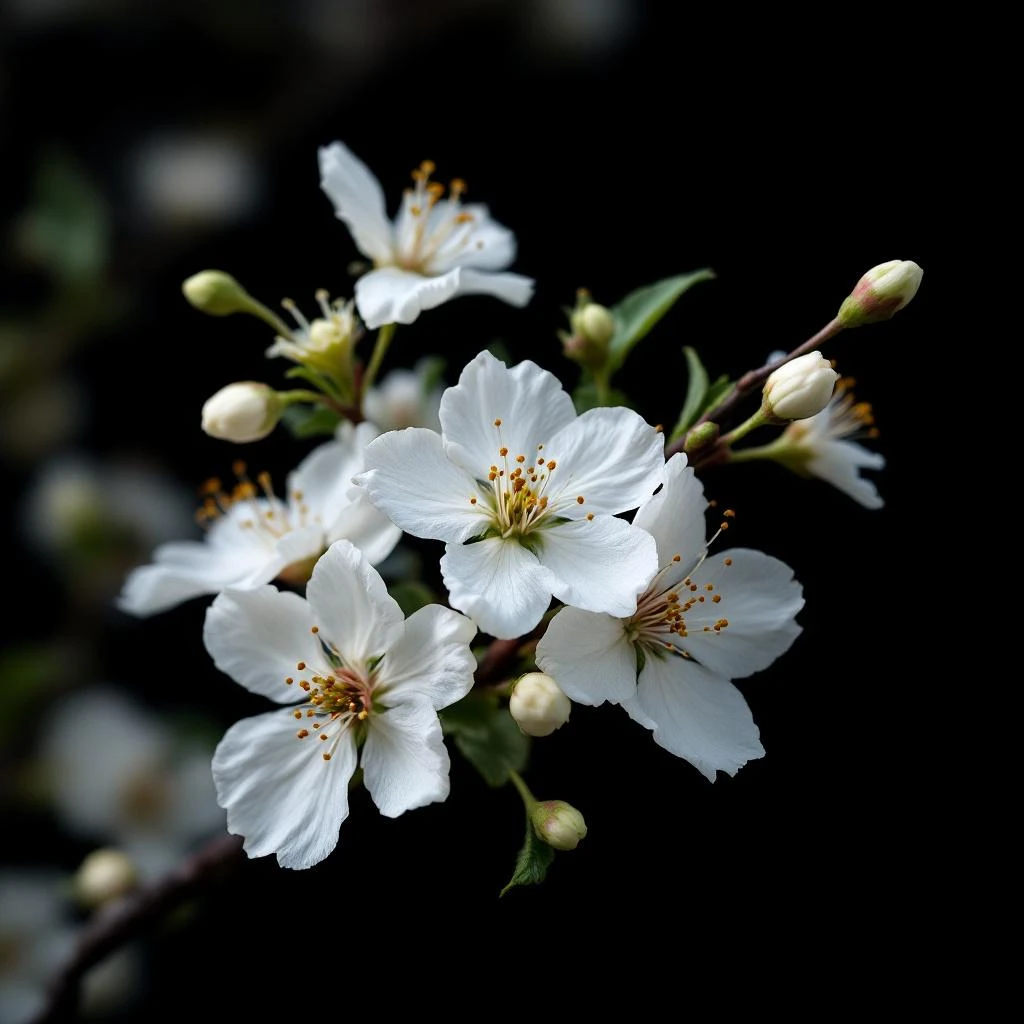
White nectarine pairs naturally with citrus, green leaves, and soft florals. Its bright fruit tone lifts bergamot or neroli, while its powdery side blends smoothly with jasmine or violet. The combination creates balanced compositions that feel both fresh and rounded.
When did perfumers first use white nectarine?
Perfumers began referencing white nectarine in the 1990s as synthetic fruit notes expanded. A 1994 fragrance from a French house listed 'white nectarine' among its top accords, marking the first documented commercial use. The trend grew as consumers favored crisp, modern fruit aromas.
Can white nectarine be extracted from fresh fruit?
Direct extraction of white nectarine oil from fresh fruit yields negligible amounts, typically under 0.01 % by weight. Because the fruit’s skin contains only trace aromatic compounds, perfumers rely on lab‑synthesized lactones to capture the scent. A 2018 study measured 0.008 % oil in cold‑pressed samples.
What safety considerations apply to white nectarine?
White nectarine complies with IFRA safety standards for typical perfume concentrations up to 2 % in eau de parfum. The lactone component shows low skin irritation in repeat‑dose tests, with a 0.5 % incidence of mild erythema. Formulators still perform patch testing for sensitive users.
How does white nectarine differ from regular nectarine note?
White nectarine differs from standard nectarine by emphasizing a cleaner, milk‑toned facet rather than the deeper, honeyed richness of the latter. The synthetic version isolates the lactone that delivers a crisp, powdery edge, while natural nectarine extracts retain more of the fruit’s fleshiness. This distinction guides perfumers when layering fruit accords.