Character
The Story of White leather
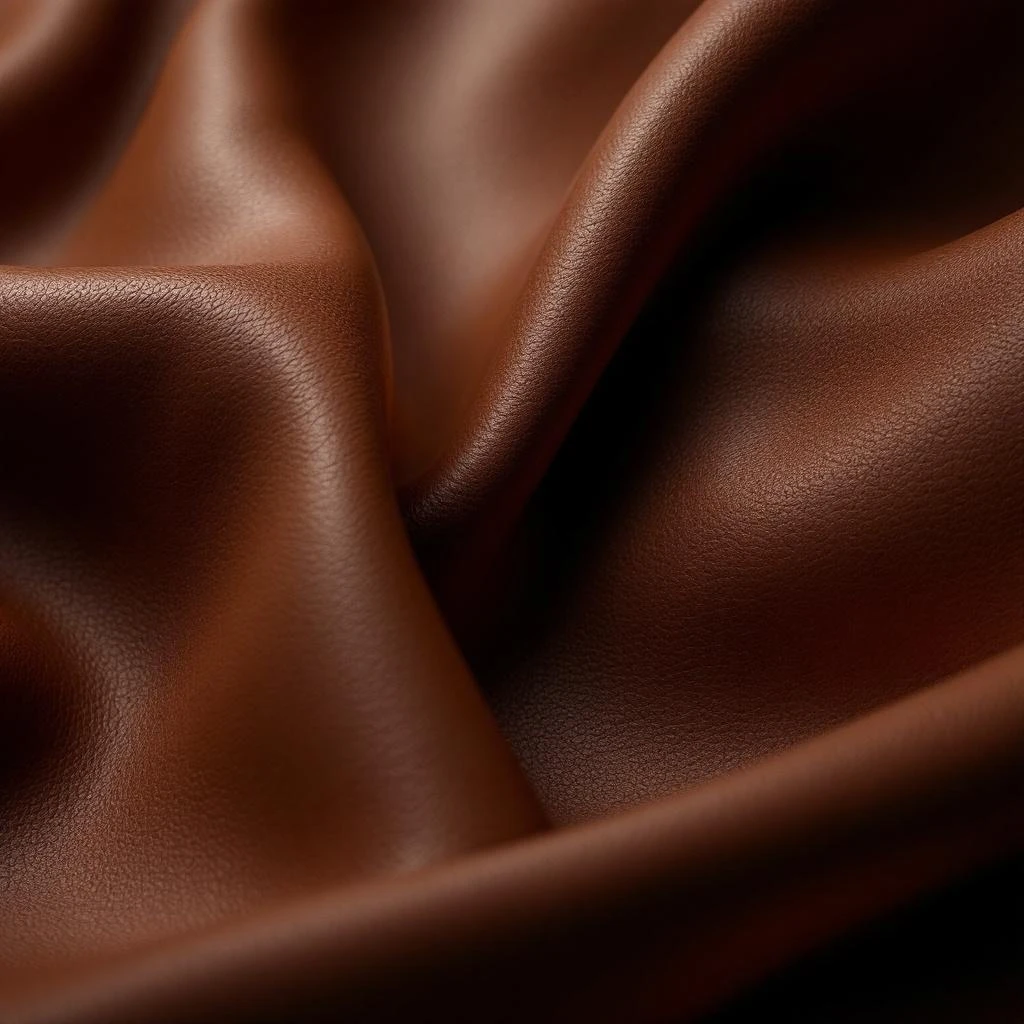
White leather delivers a crisp, airy twist on classic leather, merging faint animalic depth with a clean, powdery sheen that evokes fresh suede and moonlit stubble.
Heritage
Leather scent traces back to ancient tanning rituals, where hides were treated with aromatic bark and resins to mask the natural odor of animal skin. By the mid‑1800s, perfumers began extracting birch tar and smoky tannins to create the first leather accords, which quickly became a symbol of masculine luxury. The industrial era introduced synthetic substitutes, expanding the palette of leather notes. In the early 1970s, French chemists experimented with blending birch tar with lighter musks, giving birth to the white leather accord—a softer, cleaner interpretation that retained leather's animalic heart while shedding its heaviness. The note gained popularity in niche fragrances of the 1990s and has since become a staple for designers seeking a modern, understated leather character. Today, white leather bridges heritage and innovation, reflecting a century‑long evolution from raw hide to refined synthetic elegance.
At a Glance
4
Feature this note
France
Primary source region
Ingredient Details
Synthetic
Synthetic aromatic compounds
Did You Know
"The first white leather accord was crafted in 1974 by a French laboratory, mixing birch tar with synthetic musks to soften the harsh bite of traditional leather."
Pyramid Presence