Character
The Story of White gingerlily
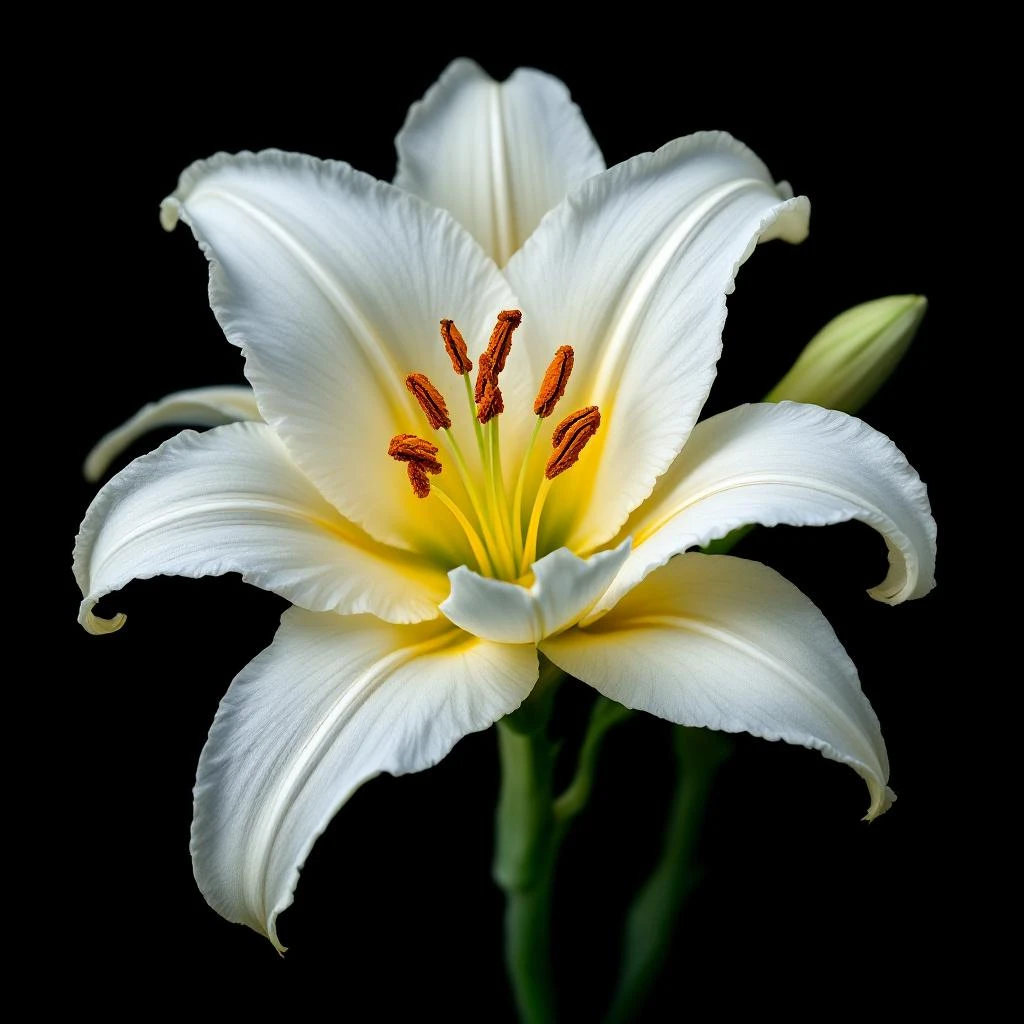
White ginger lily offers a bright, crisp aroma that blends fresh ginger spice with the creamy softness of white lily, delivering a clean, uplifting note prized by perfumers in modern compositions.
Heritage
White ginger lily has been cultivated along the Himalayan foothills for centuries, where local healers valued its fragrant rhizomes for ritual incense and medicinal poultices. Early records from the 12th‑century Tibetan medical texts describe the plant as a purifier of mind and body. During the British colonial era, botanists introduced the species to tea plantations in Assam, noting its spicy aroma in field journals of 1887. By the early 20th century, French perfume houses began experimenting with the oil, and the first commercial fragrance featuring white ginger lily appeared in 1925, marketed as a modern alternative to traditional tuberose. The note gained popularity in the 1960s when avant‑garde perfumers sought a fresh, green spice that could bridge floral and oriental families. Today, the ingredient remains a niche favorite, celebrated for its ability to add bright ginger clarity while echoing the softness of white lily.
At a Glance
1
Feature this note
India
Primary source region
Ingredient Details
Steam distillation
Rhizomes
Did You Know
"The white ginger lily is a mute flower; its scent cannot be captured by steam distillation of the blossoms, so perfumers rely on rhizome extracts to convey its aroma."