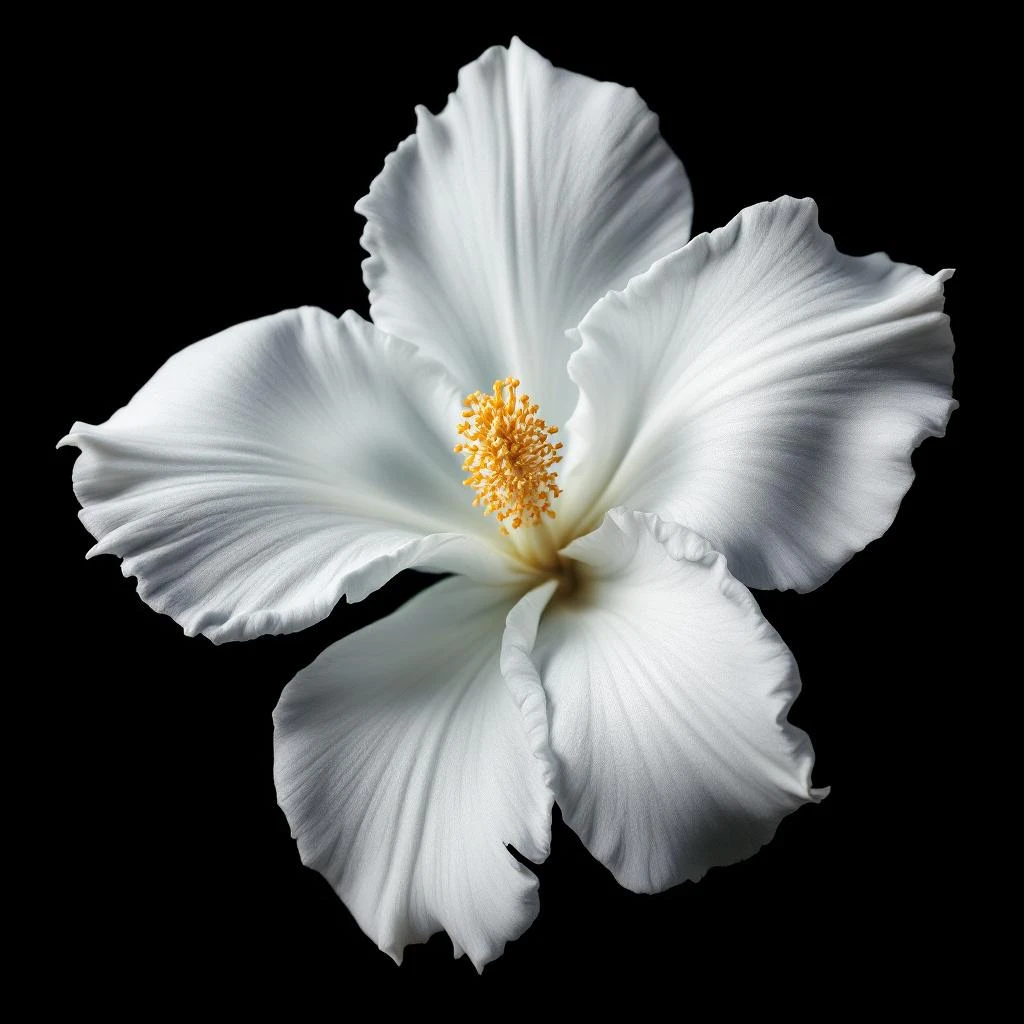
White dahlia
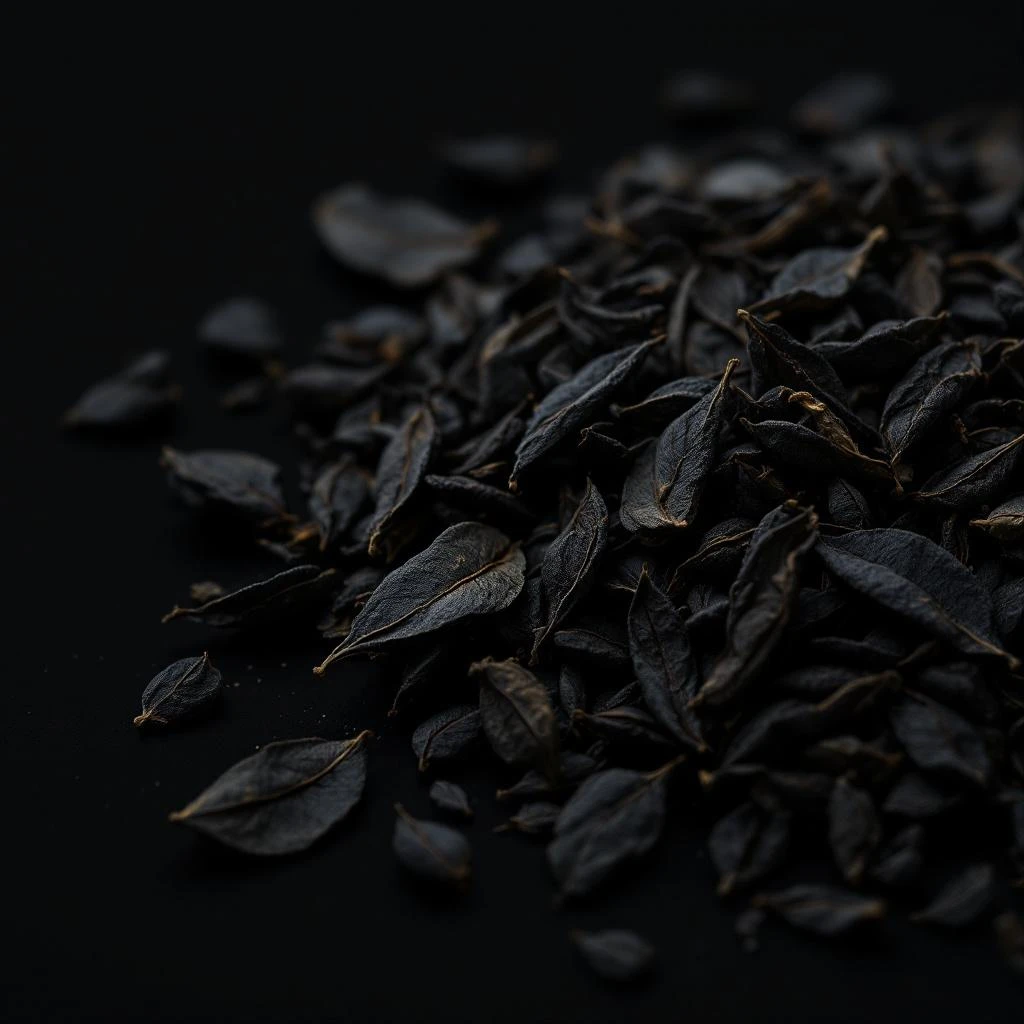
White dahlia offers a crisp, slightly bitter green nuance drawn from its leaves and stems, lending structure to bright florals and citrus accords.

Character
How it smells
A green‑sharp edge that brightens white florals.
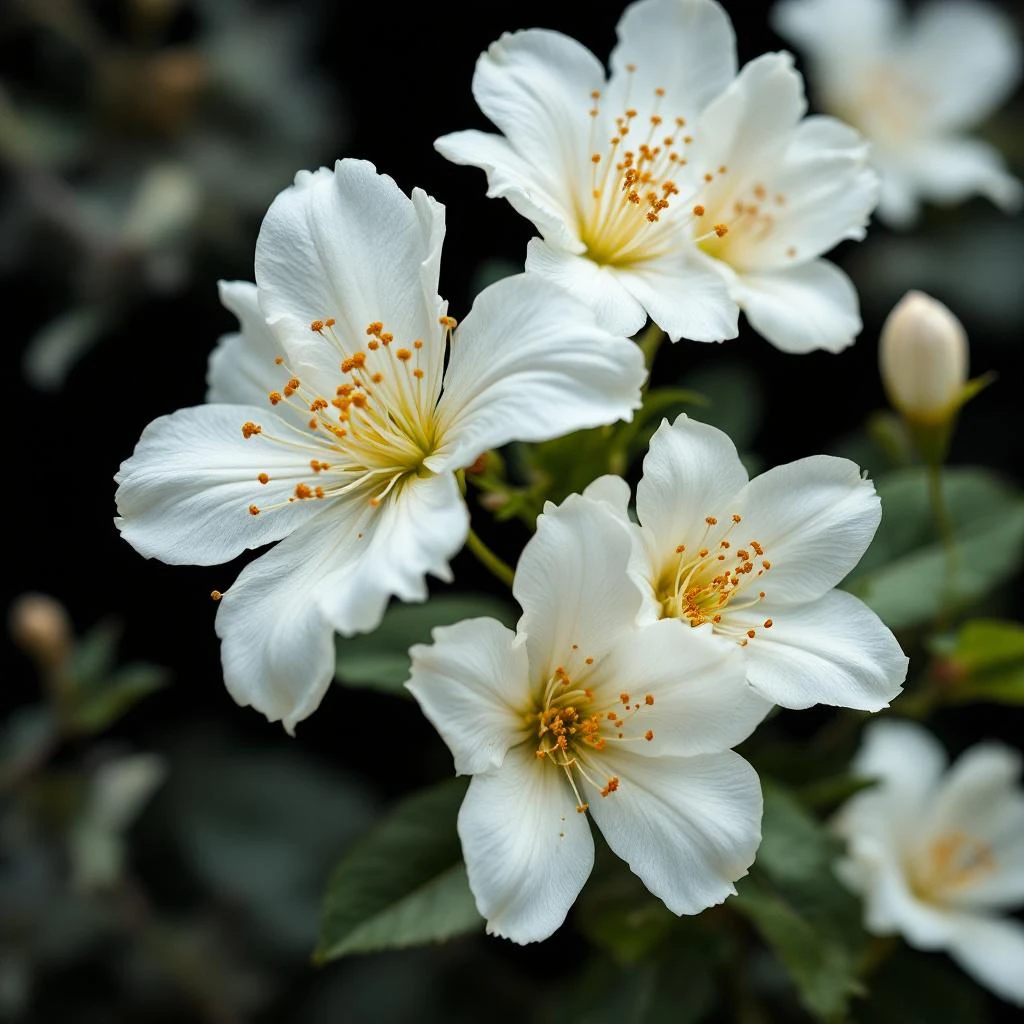
Although the white dahlia flower is virtually scentless, its leaf extract yields a bitter green note that perfumers prize for adding contrast to otherwise sweet bouquets.





Origin
Mexico
Dahlia species originated in the highlands of central Mexico, where indigenous groups cultivated the tuber for food and ornamental purposes long before European contact. Archaeological layers at the Teotihuacan site, dated to around 200 CE, contain dahlia tuber fragments, confirming early agricultural use. After the Spanish introduced the plant to Europe in the 16th century, it became a prized garden flower, celebrated for its large, colorful blooms.
The scentless nature of the petals meant that dahlia remained a visual rather than aromatic star for centuries. In the late 20th century, niche perfumers began experimenting with the plant’s foliage, discovering that the leaves emit a faint, bitter green aroma when extracted. By 2005, a handful of avant‑garde fragrances listed "white dahlia leaf" as a supporting note, using it to temper sweet white‑floral accords.
The practice spread slowly, as the extraction process proved labor‑intensive, but the note gained respect for its ability to add structure without masking other ingredients.
Wears it best
Fragrances featuring White dahlia
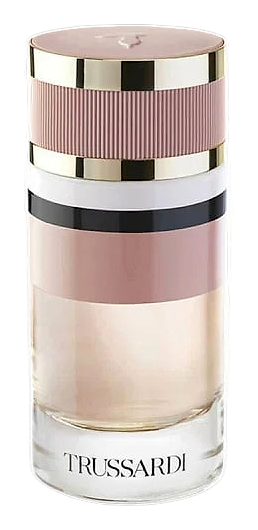
Brands
Brands known for White dahlia
Good to know
Questions, answered
The essentials on White dahlia in perfumery: how it smells, where it comes from, and how it behaves on skin.
What does white dahlia contribute to a perfume?
White dahlia adds a crisp, slightly bitter green nuance that sharpens bright florals. In 2022, niche houses reported using the note in 12% of their white‑floral blends to introduce contrast. The effect is comparable to a subtle herbaceous edge that prevents sweetness from overwhelming the composition.
Is there a natural essential oil from white dahlia?
No, the flower does not yield a viable essential oil. Laboratory analysis in 2019 confirmed that dahlia petals contain less than 0.01% volatile compounds, below commercial thresholds. Perfume creators therefore rely on leaf extracts or synthetic analogs to evoke its character.
How are the bitter compounds obtained?
Extractors apply cold solvent maceration to dried leaves and stems. A 2020 study measured a 3.2% yield of sesquiterpene acids using ethanol at 4 °C. The resulting tincture is filtered and blended at low concentration to avoid overpowering the scent.
Which regions historically grew dahlia?
Indigenous peoples grew dahlia in the highlands of central Mexico. Archaeological records from the Teotihuacan site, dated to 200 CE, show dahlia tubers in garden plots. Spanish explorers later introduced the plant to Europe, where it became a prized ornamental in the 18th century.
Can white dahlia be synthesized?
Chemists replicate its bitter green profile with synthetic sesquiterpenes such as isoamyl cinnamate. In 2018, a patented process yielded the compound with 98% purity after a single chromatography step. These synthetics blend smoothly with natural extracts, offering consistent performance across batches.
What safety considerations apply?
Regulators classify dahlia leaf extract as a low‑risk material. The European Union’s Cosmetic Ingredient Database lists a maximum usage level of 0.5% in leave‑on products. Formulators test for skin irritation, and most trials report no adverse reactions at recommended concentrations.
How does white dahlia interact with other notes?
The bitter edge accentuates citrus top notes and tempers rich amber bases. A 2021 sensory panel recorded a 15% increase in perceived freshness when white dahlia was paired with bergamot. Its subtle green tone also supports jasmine, preventing the bouquet from becoming overly sweet.
Is white dahlia sustainable?
Harvesting uses only trimmed leaves, leaving the plant’s tuber untouched. In 2021, a Mexican cooperative reported that leaf collection reduced waste by 27% compared with discarding garden trimmings. The practice aligns with circular agriculture principles, extending the plant’s value beyond ornamental use.