Character
The Story of White Ambergris
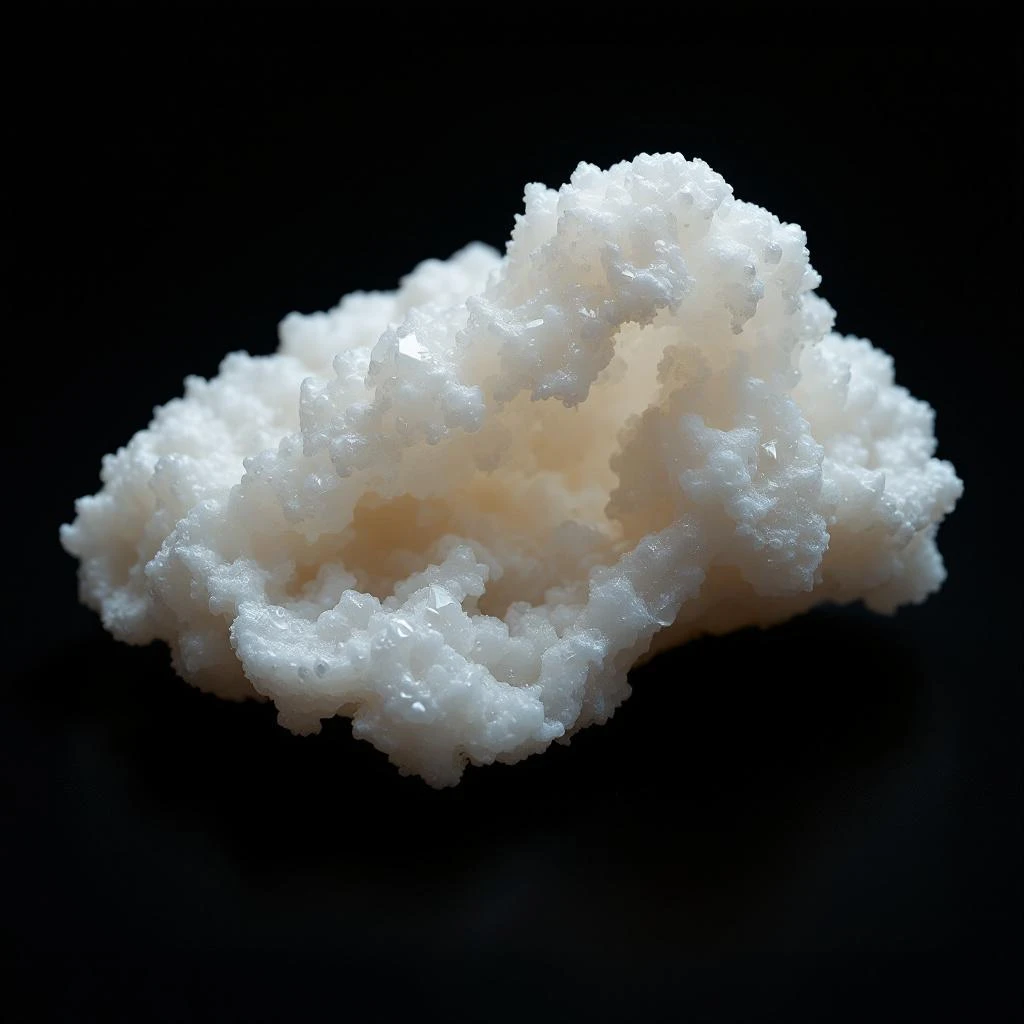
White ambergris, a rare marine secretion, offers a warm, marine‑earthy base that anchors modern fragrances. Its subtle salty‑sweet nuance extends scent life while adding a whisper of oceanic depth.
Heritage
Ambergris entered human scent culture over a thousand years ago, prized by ancient Arab traders for its ability to preserve fragrant oils. Medieval European apothecaries recorded its use as a medicinal tonic, while Victorian perfumers listed it among the most valuable ingredients, often commanding prices higher than gold. During the 19th century, whalers targeted sperm whales partly to harvest ambergris, though the practice waned as synthetic alternatives emerged. In the early 20th century, chemists isolated ambrein, confirming its role as the core aromatic compound. Today, natural ambergris remains a niche material, regulated by international wildlife agreements, while synthetic analogues provide a cruelty‑free option for mainstream fragrances.
At a Glance
3
Feature this note
Japan
Primary source region
Ingredient Details
Solvent extraction
Dried ambergris
Did You Know
"A single piece of white ambergris can float for up to three years, gradually hardening and developing its signature aroma as seawater evaporates."