Watery Cyclamen
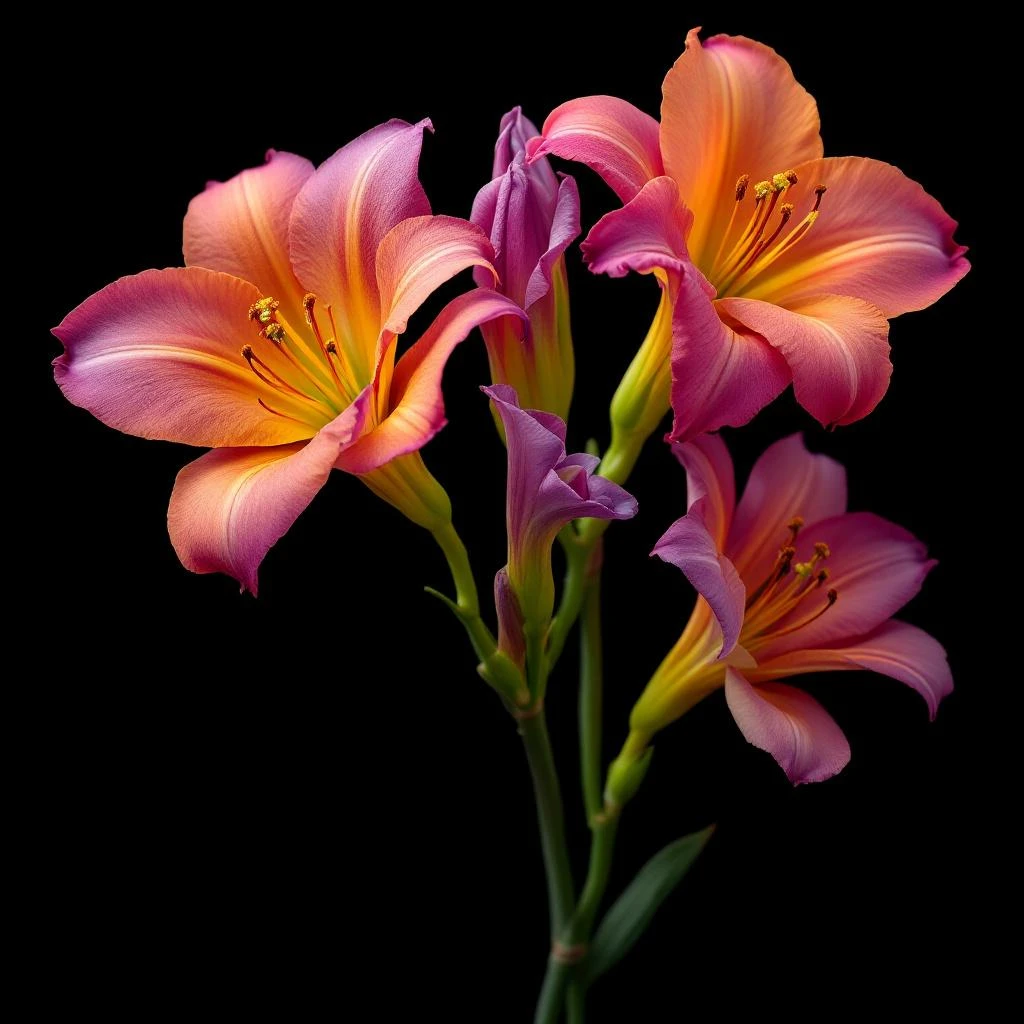
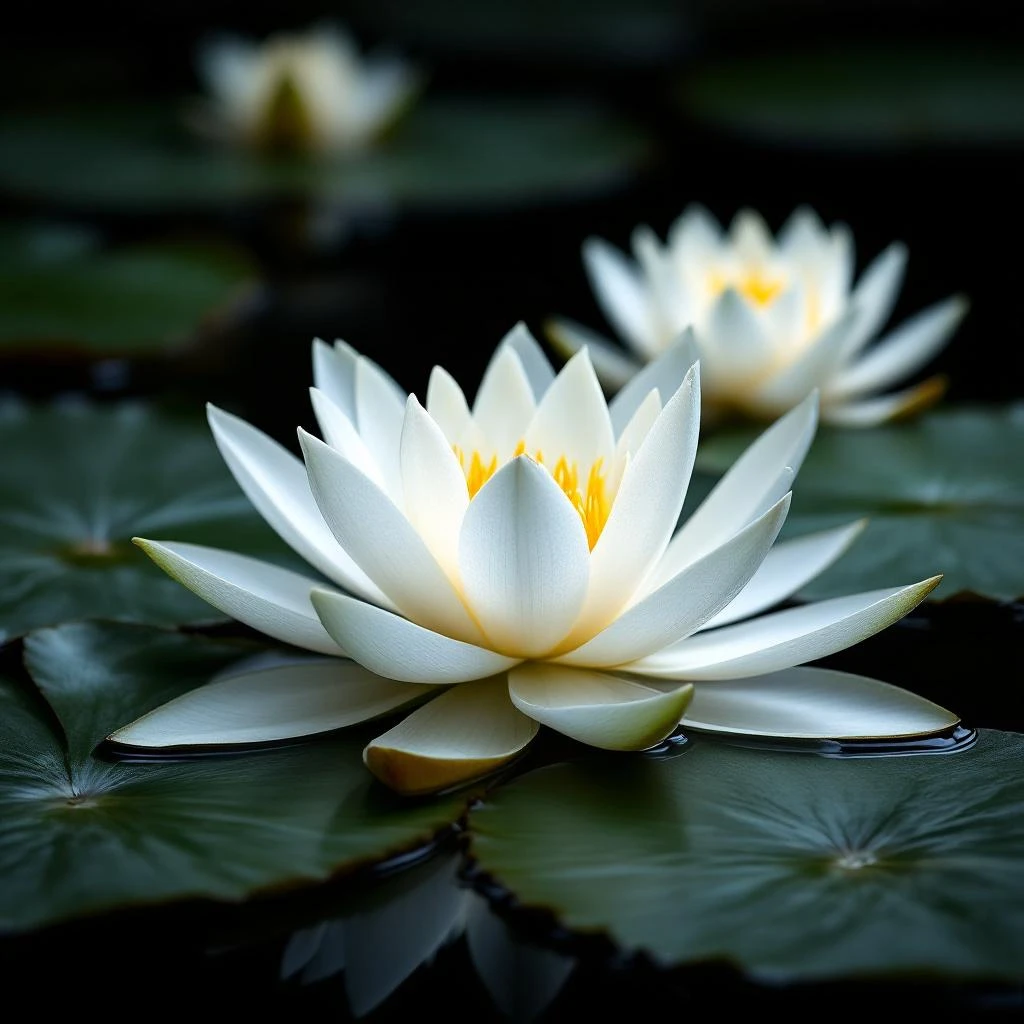
Fresh, bright, and quietly aquatic. Watery cyclamen captures the moment morning dew settles on petals—clean, green, and slightly sweet without the heaviness of traditional florals.
Character
How it smells
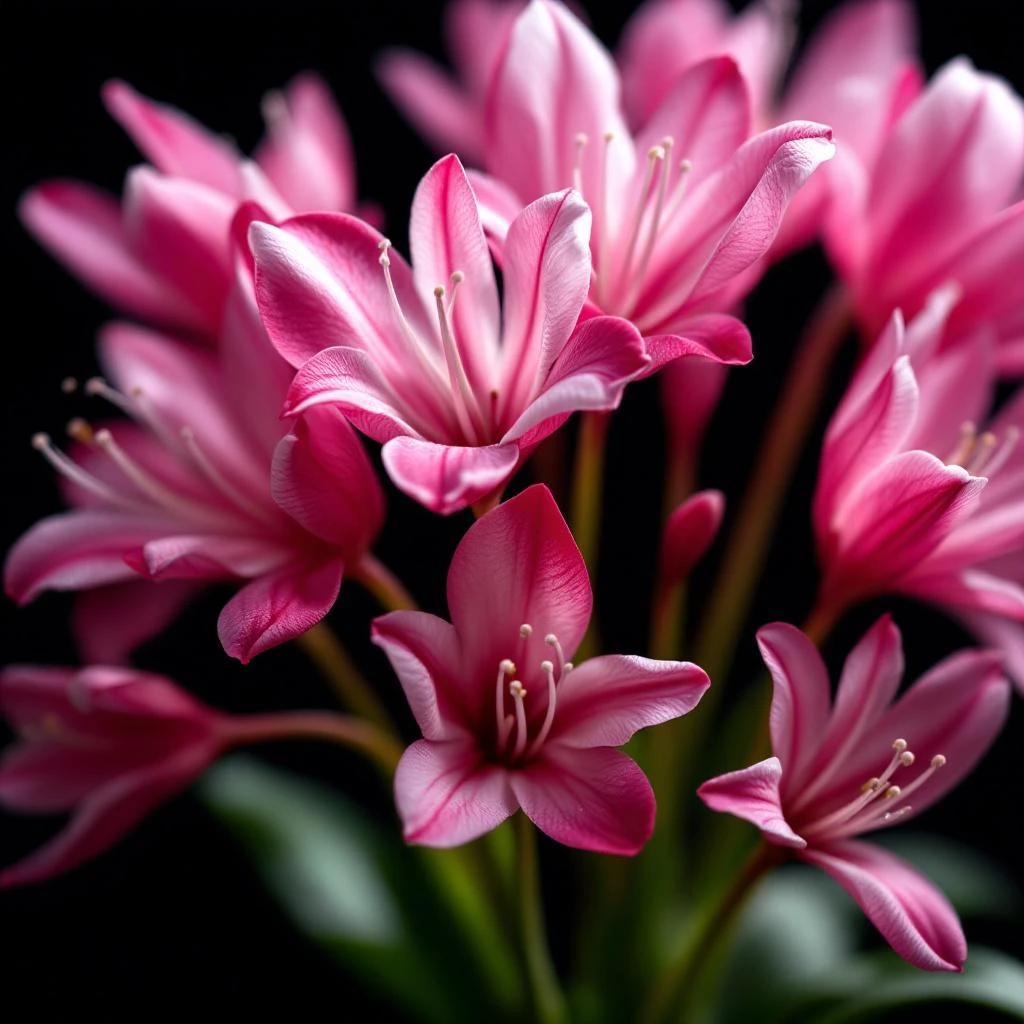
The morning garden, just after rain.
Despite its floral name, perfumery's cyclamen is almost always a synthetic molecule—cyclamen aldehyde—first patented in 1932.




Origin
Germany
Cyclamen entered the fragrance industry in the 1980s, emerging from European perfumery traditions as synthetic aromatic chemistry advanced. The plant itself, Cyclamen persicum, is native to rocky hillsides and woodland edges across Europe, particularly in the Mediterranean region. Its perfumery counterpart, cyclamen aldehyde, represents one of several modern 'green' notes developed during the late 20th century when perfumers began exploring lighter, fresher fragrance profiles.
The concept of 'watery cyclamen' expands on this legacy by emphasizing the note's subtle aquatic quality—the scent of morning dew on petals rather than tropical florals. This development reflects how contemporary perfumery has increasingly embraced notes that evoke natural freshness and early morning garden atmospheres, moving away from heavier, more saturated florals toward transparent, airy compositions.
Wears it best
Fragrances featuring Watery Cyclamen

Brands
Brands known for Watery Cyclamen
Good to know
Questions, answered
The essentials on Watery Cyclamen in perfumery: how it smells, where it comes from, and how it behaves on skin.
What does watery cyclamen smell like?
Watery cyclamen smells fresh and floral with a distinctly green, slightly watery quality. It is softer than jasmine and carries less sweetness than traditional floral notes, offering a clean, bright impression reminiscent of morning dew on garden petals.
Is cyclamen a natural or synthetic ingredient?
Cyclamen in perfumery is almost always synthetic. The fragrance industry uses cyclamen aldehyde (CAS 103-95-7), a synthetic molecule first patented in 1932, rather than extracting scent from the actual cyclamen flower.
What fragrance products contain cyclamen?
Cyclamen aldehyde appears across fine fragrances, bar soaps, detergents, and personal care products like lotions. Its stability across different base formulations makes it versatile for both decorative and functional perfumery.
How does watery cyclamen perform in fragrance?
The material enables measurable improvements in scent duration and performance. It acts as both an intensifier and stabilizer, helping fragrances maintain their character over time while extending wear.
What role does cyclamen play in fragrance composition?
In fragrance formulas, cyclamen functions as a light, bright element that intensifies and stabilizes the final composition. It bridges green and floral notes, adding freshness without the weight of traditional white florals.
When did cyclamen first appear in perfumery?
Cyclamen was first introduced to the perfume industry in the 1980s, originating in Europe where the plant remains native. It represents a modern development in green and aquatic fragrance families.
What makes watery cyclamen different from other floral notes?
Unlike heavy florals such as jasmine or rose, watery cyclamen offers an airy, transparent quality. Its slightly green, aquatic character creates a fresher impression that works particularly well in modern, light fragrance compositions.
Can cyclamen be combined with other fragrance notes?
Cyclamen pairs effectively with other green notes, lighter florals, and aquatic accords. Its stabilizing properties help balance more volatile top notes while contributing freshness to the overall composition.