    Ingredient Profile

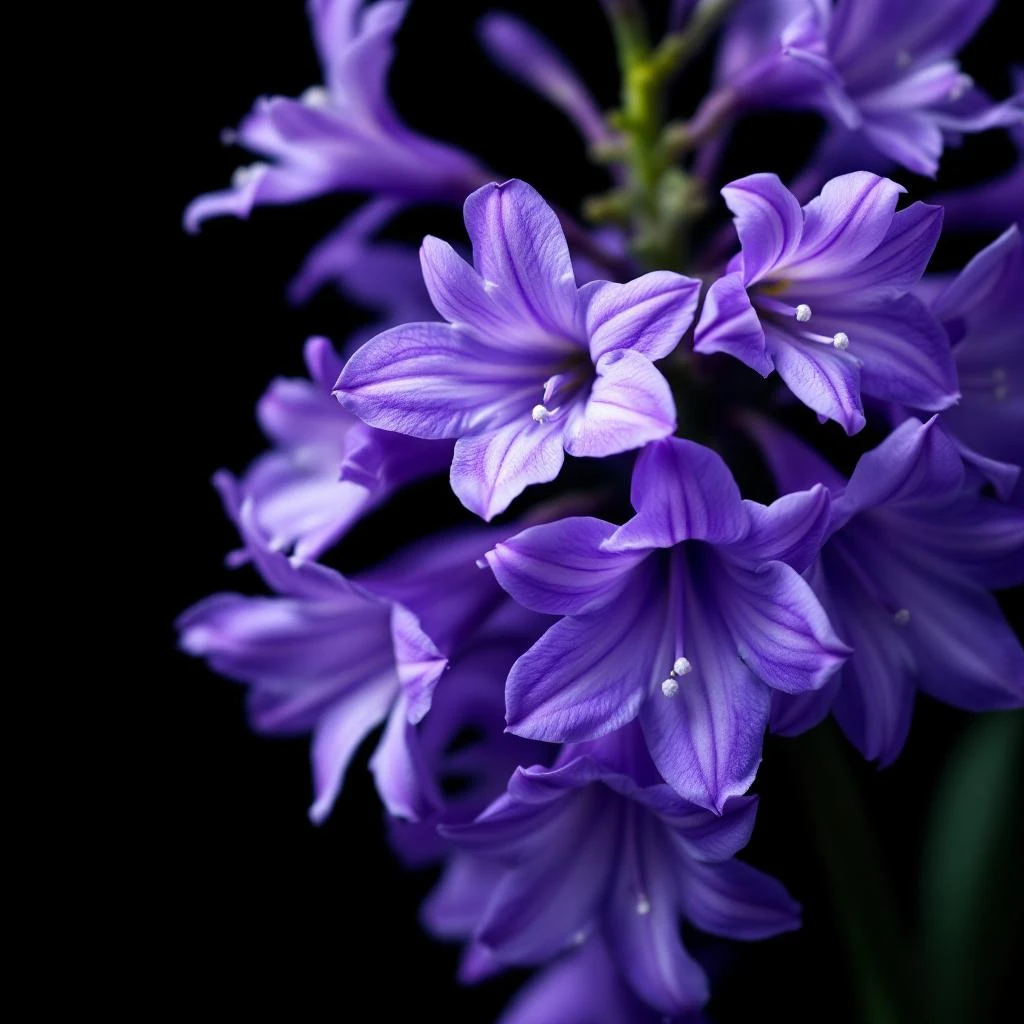
    Water hyacinth fragrance note

    Water hyacinth offers a crisp, watery green note that recalls sun‑lit ponds and fresh foliage. Its subtle floral edge adds depth to modern a…More

    Brazil

    1

    Fragrances

    Fragrances featuring Water hyacinth

    Character

    The Story of Water hyacinth

    Water hyacinth offers a crisp, watery green note that recalls sun‑lit ponds and fresh foliage. Its subtle floral edge adds depth to modern accords, making it a favorite for designers seeking a clean, natural lift.

    Heritage

    Water hyacinth originates from the Amazon basin, where indigenous peoples used its fragrant flowers in ceremonial rites. European explorers documented the plant in the early 1700s, noting its striking bloom and pleasant scent. By the late 19th century, French perfumers began experimenting with the green notes of water hyacinth, extracting them using early solvent methods. The plant gained popularity during the Art Deco era, when designers prized fresh, aquatic accords to evoke modernity. In the 1970s, the rise of green fragrance trends revived interest, and water hyacinth absolute became a staple in niche compositions that celebrated nature's purity. Today, the note appears in both high‑end and mainstream scents, valued for its ability to convey a clean, watery atmosphere without synthetic additives.

    At a Glance

    Fragrances

    1

    Feature this note

    Origin

    Brazil

    Primary source region

    Ingredient Details

    Extraction

    Solvent extraction

    Used Parts

    Flower buds

    Did You Know

    "Water hyacinth can double its biomass in two weeks, a speed that lets perfumers harvest large quantities of blossoms before they wilt, ensuring a consistent supply of the green absolute."

    Production

    How Water hyacinth Is Made

    Harvesters collect water hyacinth blossoms at dawn, when volatile compounds peak. The fresh buds are chilled and packed in airtight containers to preserve their green freshness. In the lab, technicians spread the petals on glass plates and cover them with a neutral odorless oil, a process known as enfleurage, for 48 hours. The oil absorbs the delicate aromatics, then undergoes cold‑press filtration to separate the scented fraction. The resulting concrete is mixed with ethanol, and the mixture rests for several weeks, allowing the fragrant molecules to dissolve fully. After filtration, the solvent is removed under reduced pressure, leaving a thick, amber absolute that retains the plant's watery green character. Throughout, temperature never exceeds 30 °C to prevent degradation of the volatile green notes. The final absolute is stored in amber glass at 4 °C until it is blended into perfume formulas.

    Provenance

    Brazil

    Brazil3.5°S, 62.2°W

    About Water hyacinth