Character
The Story of Virginia Cedarwood
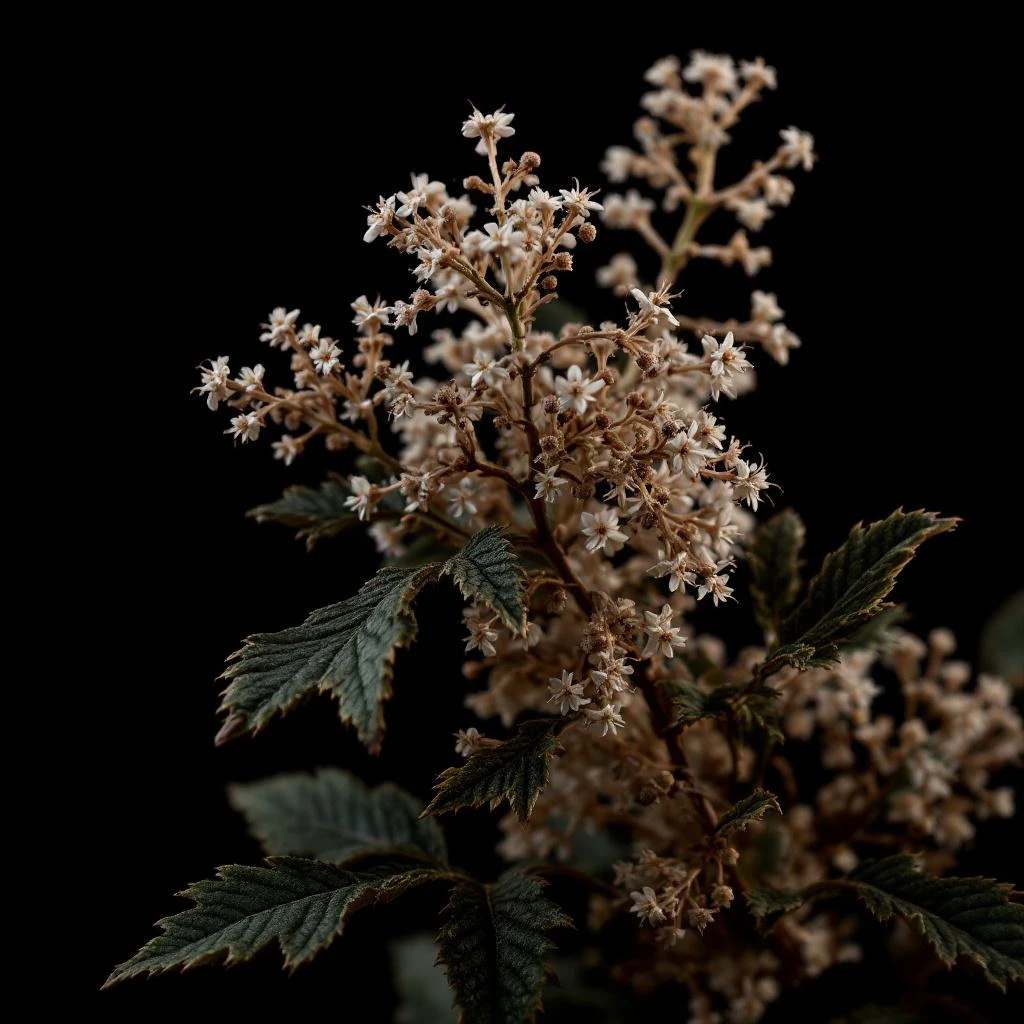
Virginia Cedarwood delivers a warm, dry woody scent with soft balsamic sweetness. Despite its name, Juniperus virginiana is actually a juniper, not a true cedar. It stays fluid in formulations and never crystallizes, making it a reliable base note that anchors fragrances with quiet authority.
Heritage
Cedarwood has ancient roots in perfumery. Egyptian texts record cedar oil in cosmetics, incense formulations, and embalming practices. Priests burned cedarwood as part of spiritual rituals, valuing its smoke as a purifying element. The ingredient traveled with trade routes from Lebanon and the Middle East into Mediterranean perfumery. Juniperus virginiana specifically became important in North American colonial perfumery, where it was locally available and locally distilled. Its practical use extended to moth prevention in linen chests and furniture making, giving the tree its common name 'red cedar.' Modern perfumery adopted it as a workhorse base note, featured in landmark fragrances from Serge Lutens' Feminite du Bois to Byredo's Super Cedar.
At a Glance
1
Feature this note
United States
Primary source region
Ingredient Details
Steam distillation
Sawmill wood scraps and sawdust
Did You Know
"Virginia Cedarwood oil comes from sawmill sawdust, not pencil factories. The lumber industry produces a perfumery byproduct."