Character
The Story of Violet absolute
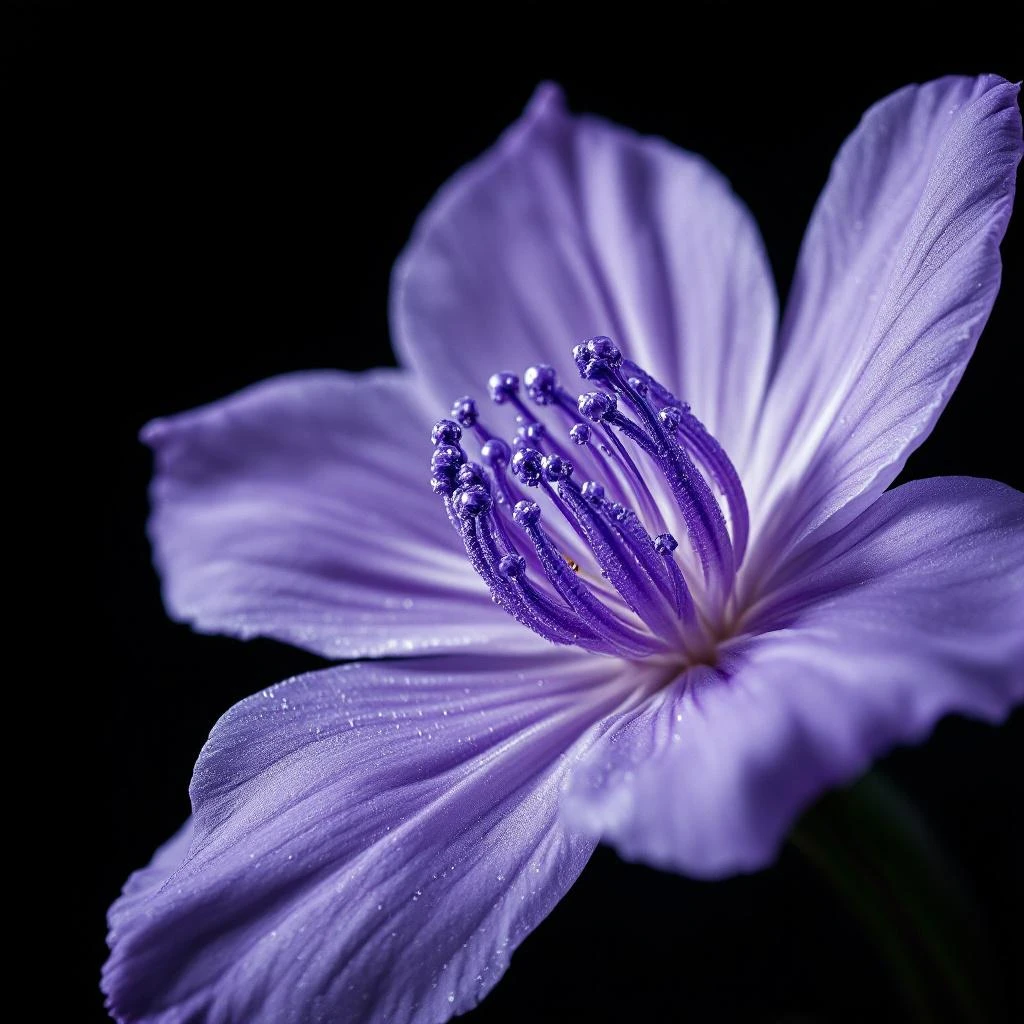
Violet absolute captures the iconic waxy-green scent and powdery floral heart that defined perfumery for centuries. Natural flower production collapsed by 1960. Today, perfumers work primarily with violet leaf absolute to preserve this cherished note.
Heritage
Greek mythology credits Zeus with creating the violet. Ancient Athens adopted it as a civic symbol. Early Arab perfumers distilled violet oil centuries before Europe developed its own perfumery traditions. In 1867, violet fields first bloomed in Grasse, France, launching a golden age of floral perfumery using cold enfleurage to capture the flower's delicate scent. By the late 1950s, production had nearly vanished. Synthesizing the key aromatic compound ionone in 1898 made recreating violet economically viable, fundamentally reshaping fragrance chemistry. Modern violet leaf absolutes, primarily from Egypt, restored natural access to the green, powdery character that first made this note beloved.
At a Glance
1
Feature this note
Egypt
Primary source region
Ingredient Details
Solvent extraction
Flower petals, Leaves
Did You Know
"Recreating violet scent synthetically required over 33,000 kg of flowers just to understand the chemistry."