    Ingredient Profile

    Vetiver Haiti Orpur fragrance note

    Haitian Vetiver Orpur delivers a smoky, woody core that anchors modern fragrances, drawing on volcanic soils and centuries‑old cultivation t…More

    Haiti

    1

    Fragrances

    Fragrances featuring Vetiver Haiti Orpur

    Character

    The Story of Vetiver Haiti Orpur

    Haitian Vetiver Orpur delivers a smoky, woody core that anchors modern fragrances, drawing on volcanic soils and centuries‑old cultivation to offer depth and persistence.

    Heritage

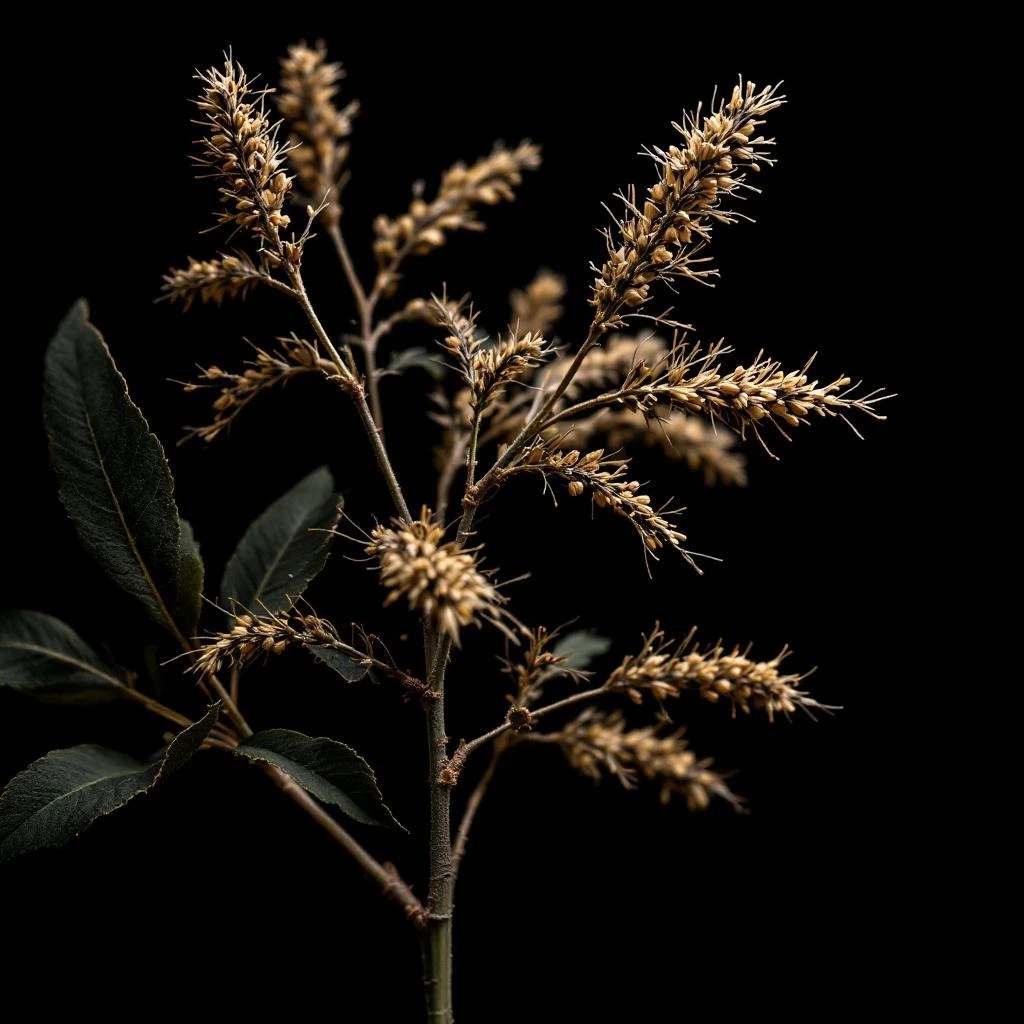
    Vetiver first grew in the Indian subcontinent, where it served as a soil‑binding grass and a medicinal herb. French colonists introduced the species to Réunion in the early 1900s, and the plant spread to the Caribbean during the inter‑war period. Haitian growers received the first cuttings in the 1930s, and the island’s hot, humid climate combined with mineral‑rich volcanic soil produced roots of exceptional aromatic intensity. By the 1970s Haitian vetiver oil dominated the global market, and major houses such as Givaudan invested in community programs to protect the supply chain. Today the oil remains a cornerstone of classic and contemporary perfumes, valued for its persistent, smoky character that anchors lighter accords.

    At a Glance

    Fragrances

    1

    Feature this note

    Origin

    Haiti

    Primary source region

    Ingredient Details

    Extraction

    Steam distillation

    Used Parts

    Dried roots (heartwood)

    Did You Know

    "Haiti supplies over 70 % of the world’s vetiver essential oil, making its roots the most traded aromatic commodity from the Caribbean."

    Production

    How Vetiver Haiti Orpur Is Made

    Vetiver Orpur begins in the La Cayes region of southern Haiti, where smallholders plant rooted cuttings in volcanic loam. After 16‑18 months the roots develop a dense network of aromatic compounds. Harvest crews pull the mature roots, wash them, slice them thin and spread them on sun‑dry racks for several days. The dried material enters copper stills where steam passes through at 100 °C, extracting the volatile oil. The condensate cools, separates, and the clear oil settles in stainless steel drums. Typical yields run between 0.4 % and 0.6 % by weight, producing a dark amber liquid with a smoky, woody signature. Each batch receives a laboratory test for vetiverol, khusimol and other markers before it leaves the distillery.

    Provenance

    Haiti

    Haiti19.0°N, 72.3°W

    About Vetiver Haiti Orpur